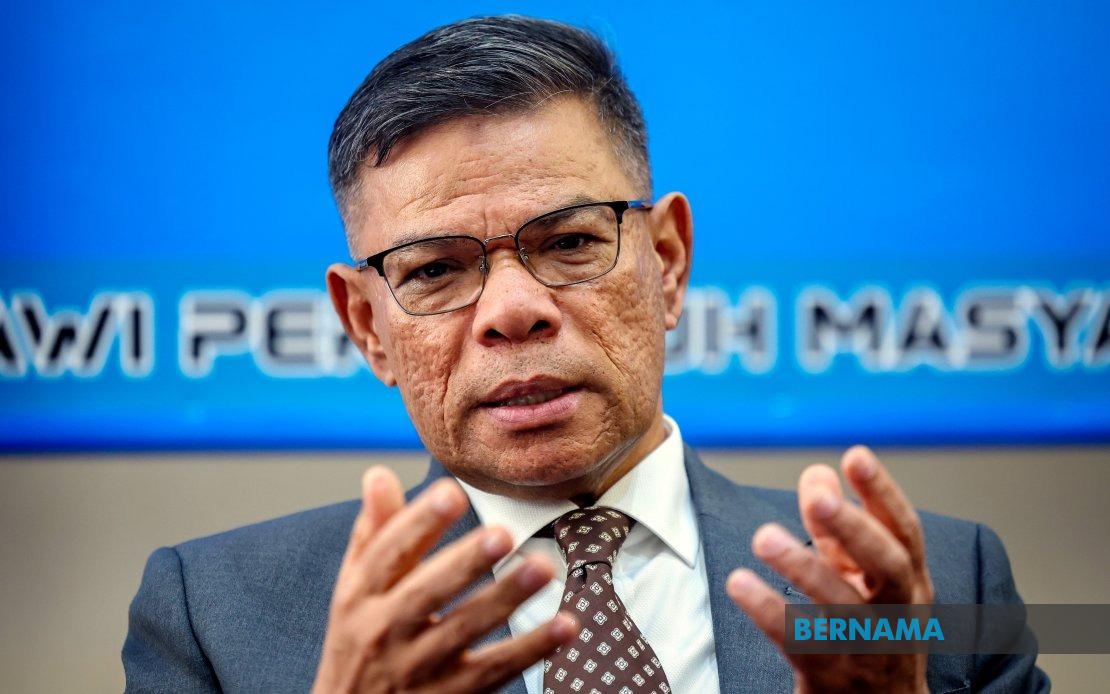
Malaysian authorities managed traffic flows effectively at the country's two principal land border checkpoints with Singapore as voting commenced for the 16th Johor state election on July 11, with an anticipated 2.6 million voters making their way to the polls. Home Minister Datuk Seri Saifuddin Nasution Ismail confirmed via social media that conditions remained orderly at both the Sultan Iskandar Building (BSI) and Sultan Abu Bakar Complex (KSAB) throughout the morning, citing operational updates from the Malaysian Border Control and Protection Agency (AKPS). The minister, who posted a 29-second video documenting conditions at the entry points, commended the AKPS team's coordination in facilitating the movement of voters, many of whom travelled from Singapore back to their home constituencies to participate in the electoral process.
Preparations for the heightened border traffic had been extensive. The AKPS implemented a comprehensive operational strategy well in advance, recognising that the election would likely trigger increased vehicle movements across the Causeway and the Second Link during a concentrated timeframe. Authorities established dedicated lanes exclusively for the election, deployed hybrid processing counters to handle documentation more swiftly, and activated contra-flow arrangements to optimise traffic distribution across available lanes. These measures represented a coordinated effort to prevent the congestion that typically accompanies major civic events in the region.
The operational response began early, with special border lanes commencing full service from the previous evening at 12.01 am, maintaining operations continuously through to 6 pm on polling day itself. This extended availability reflected the government's determination to ensure that Singaporean voters of Johor origin would not face unnecessary delays that might discourage participation. The 24-hour operation of these dedicated facilities demonstrated preparedness for the scale of expected movement, with resources mobilised to handle peak periods without compromising standard processing protocols for regular cross-border traffic.
The electoral contest itself proved significant in scope and organisation. The Johor state assembly election saw 172 candidates competing for 56 state seats, necessitating the establishment of 1,076 polling centres and 4,889 polling channels to accommodate the electorate. All venues opened simultaneously at 8 am, reflecting meticulous coordination by the Election Commission to ensure equitable access and prevent bottlenecks at voting locations. This logistical synchronisation paralleled the border management efforts, illustrating a comprehensive approach to facilitating electoral participation across multiple jurisdictions.
For Malaysian readers, the successful management of border operations during the Johor election underscores the growing importance of cross-border voting dynamics within Southeast Asia's most integrated land border region. Singapore's significant Johor-origin population represents a notable constituency that maintains electoral stakes in Malaysian affairs, reflecting the deep demographic and economic interconnections between the two neighbouring states. The efficiency with which authorities handled this movement demonstrates evolving capacity for managing transnational citizen participation, a phenomenon likely to intensify as mobility within the region increases.
The Election Commission established a target voter turnout of approximately 70 per cent, with full results anticipated by 10 pm on the same evening, allowing for rapid conclusion of the electoral process. This timeline reflected confidence in the operational capacity of both border and electoral authorities to process large numbers without significant delays. The coordination between immigration authorities, electoral officials, and transportation infrastructure providers created an enabling environment for participation.
From a regional perspective, the Johor election's execution highlights Singapore-Malaysia bilateral cooperation in managing shared border infrastructure. The two nations' long experience administering the Causeway and Second Link crossings has created institutional capacity for handling surge events, whether driven by commerce, leisure, or civic participation. The seamless operation reported by the Home Minister suggests that despite occasional tensions in bilateral relations, operational-level cooperation on practical matters remains effective and responsive to mutual interests.
The successful border management also carries implications for future large-scale civic events in both nations. As transnational populations grow and become more politically engaged, authorities will require increasingly sophisticated approaches to processing concurrent movements while maintaining security and regulatory standards. The Johor election experience provides a template for managing similar scenarios, whether in subsequent Malaysian elections, Singapore municipal affairs, or other cross-border events affecting integrated populations.
Looking forward, the demonstrated capacity to manage surge traffic during the Johor election may inform broader discussions about border infrastructure investment and operational resilience. Both Malaysia and Singapore face ongoing pressure to balance facilitating legitimate cross-border movement with maintaining border security and immigration control. The AKPS's ability to deploy additional capacity through hybrid counters and contra-flow arrangements suggests modular approaches that could be adapted to regular operations or future contingencies, optimising ongoing investments in border infrastructure.

