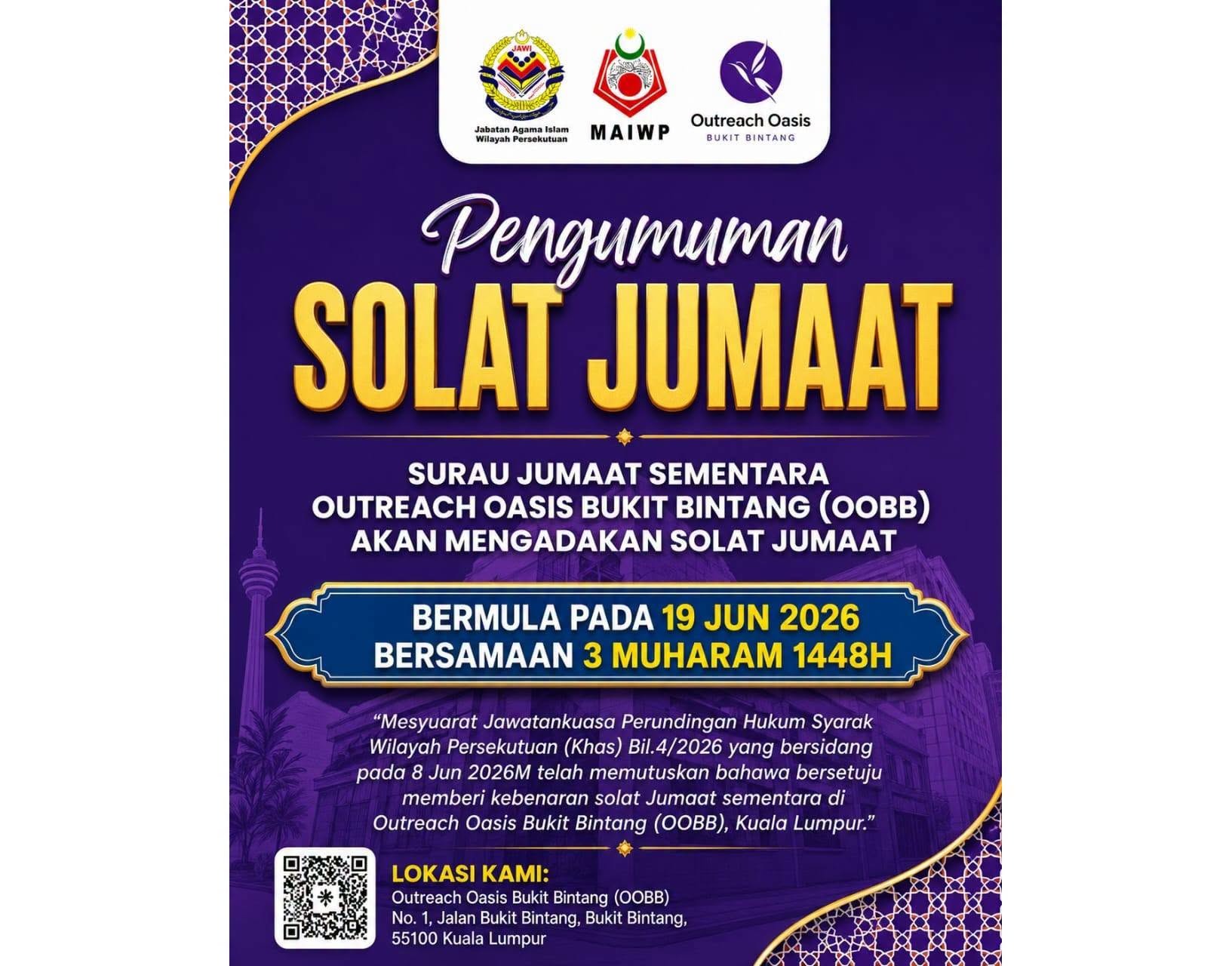
Muslims in and around Kuala Lumpur's bustling Bukit Bintang precinct will gain access to Friday prayer facilities starting June 19, marking a significant step toward ensuring religious accommodation in one of the country's most visited commercial hubs. The Bukit Bintang Outreach Oasis has been granted special approval to temporarily host Friday prayers, offering a practical solution while authorities complete construction of a dedicated surau at the location.
Dr. Zulkifli Hassan, Minister in the Prime Minister's Department (Religious Affairs), announced the development through a social media post, describing the approval as historic for the area. He emphasised that the temporary arrangement will alleviate the current burden on worshippers who must travel considerable distances to fulfil their Friday prayer obligations in a district that attracts thousands of locals and tourists daily.
The minister framed the initiative as addressing a genuine infrastructural gap in Bukit Bintang, one of Malaysia's premier shopping and entertainment destinations. Previously, Muslims frequenting the area faced significant inconvenience in locating suitable prayer facilities nearby, forcing many to either postpone their prayers or undertake lengthy journeys to distant suraus. This temporary facility represents recognition that major urban centres require adequate religious infrastructure to serve their populations effectively.
The Outreach Oasis will serve as a holding arrangement until the permanent Friday surau is fully operational. Government sources have indicated that work on the dedicated facility is progressing, though no specific completion timeline has been disclosed. This phased approach allows authorities to meet immediate community needs while ensuring that future infrastructure meets higher standards of comfort and capacity for long-term use.
Dr. Zulkifli's remarks stressed the spiritual and practical significance of the initiative, encouraging the Bukit Bintang community to participate actively in the Friday prayers. His appeal for Muslims to "fill the rows as a sign of solidarity" reflects broader efforts to strengthen religious observance in secular commercial spaces, demonstrating that faith-based activities can integrate seamlessly within modern urban environments.
The development carries particular relevance for Malaysia's approach to religious pluralism in increasingly cosmopolitan settings. As shopping districts and entertainment precincts become more sophisticated and internationally oriented, ensuring adequate facilities for religious practices remains essential to inclusive urban planning. Bukit Bintang, with its concentration of international visitors and diverse workforce, serves as a test case for how major commercial zones can accommodate religious needs without compromising their secular functions.
For working professionals and students in the Bukit Bintang area, the facility eliminates the previous necessity to leave their immediate vicinity during Friday lunch hours, potentially enhancing workplace participation and reducing time pressures. This accessibility may particularly benefit those with inflexible schedules or limited transportation options, democratising religious observance across different socioeconomic groups within the district.
The government's proactive approach reflects lessons learned from other major Asian cities where religious accommodation in commercial zones has strengthened community integration and public satisfaction. By addressing this infrastructure gap, Malaysian authorities demonstrate responsiveness to emerging urban religious needs and commitment to supporting Muslim life in cosmopolitan environments.
Beyond immediate benefits, the permanent surau project signals longer-term investment in Bukit Bintang's religious infrastructure. As one of Malaysia's most recognisable districts, the surau's eventual completion will serve as a landmark facility, potentially influencing how other major commercial precincts approach religious accommodation in future development planning.
The initiative also underscores the collaboration between government agencies in delivering infrastructure that serves diverse community needs. Religious affairs authorities worked with Bukit Bintang management to identify appropriate space and secure necessary approvals, demonstrating the feasibility of integrating religious facilities into existing commercial frameworks through coordinated planning and goodwill.
For the broader Southeast Asian context, this development illustrates how Muslim-majority nations balance modernisation with religious values. As urbanisation accelerates across the region, the Bukit Bintang model offers practical lessons in ensuring religious observance remains accessible and dignified within rapidly transforming cityscapes.

