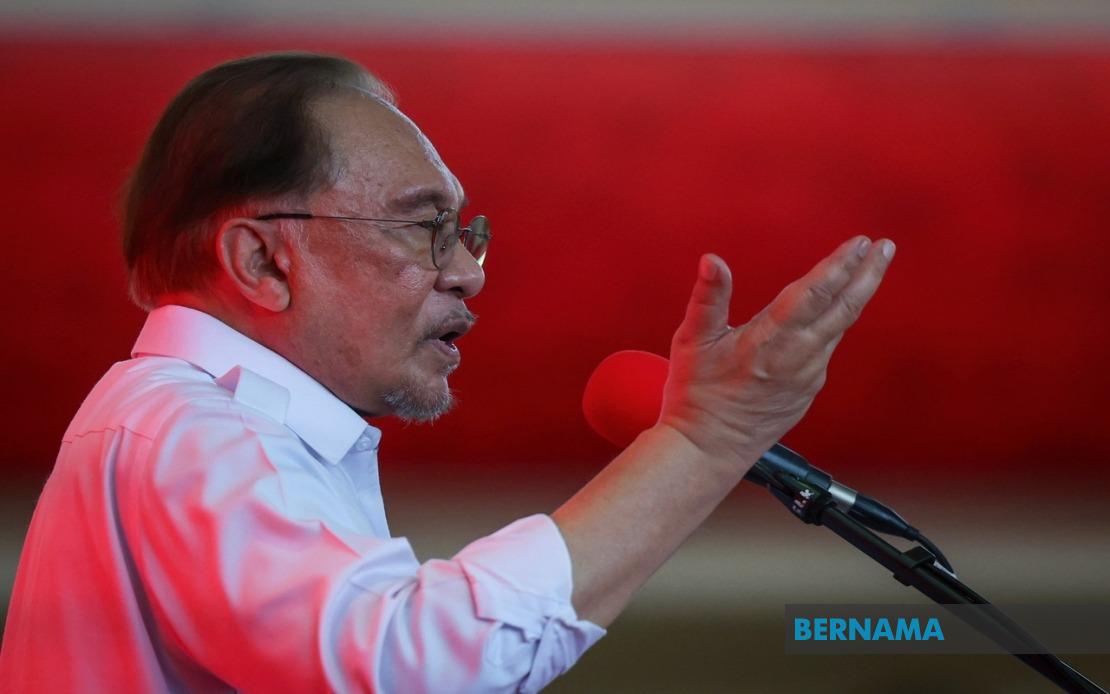
The government is moving closer to resolving the question of transparency around the Lembaga Tabung Haji inquiry, with Prime Minister Datuk Seri Anwar Ibrahim announcing that the Cabinet will make a definitive decision on releasing the Royal Commission of Inquiry (RCI) report at this week's weekly meeting. Speaking in Tampin on July 27, Anwar signalled that the long-awaited findings into allegations connected to the strategic asset disposal of Malaysia's pilgrimage fund will soon become public knowledge, following weeks of deliberation about how to proceed.
The RCI into Tabung Haji has been the subject of considerable public and political scrutiny as the inquiry examined circumstances surrounding the sale of the fund's key assets. The timing of the Cabinet's decision reflects the government's acknowledgment that clarity on the matter is essential for public confidence in the institution, which manages savings for millions of Malaysian Muslims planning to perform hajj. By committing to a specific timeline, Anwar has attempted to move the issue beyond the realm of speculation that has characterised recent months.
Anwar's remarks underscored his administration's commitment to institutional independence and the separation of powers within Malaysia's legal framework. He emphasised that the government's role is not to predetermine outcomes but to allow established institutions—the investigating authorities, the Attorney General's office, and the courts—to execute their mandates without political interference. This framing is significant in the Malaysian context, where concerns about executive overreach have periodically surfaced in public discourse, making assurances about institutional autonomy politically valuable.
The Prime Minister's language revealed an underlying tension that the government has been navigating. He stated plainly that if the report contains no wrongdoing, the responsible parties should defend their actions vigorously. Conversely, if misconduct is identified, prosecution should follow swiftly, with individuals serving lawful sentences without exemption or favour. This formulation, while appearing straightforward, implicitly addresses the public anxiety that powerful figures might escape accountability through political patronage—a concern that has occasionally dogged Malaysian governance in the post-1MDB era.
Anwar's earlier indication, made the preceding Thursday, that the government was prepared to release the report represented a subtle shift in messaging. At that point, he indicated he would coordinate with the Chief Secretary to the Government regarding whether Cabinet referral was procedurally necessary. The subsequent announcement of a Cabinet decision suggests that internal consultations had concluded that formal Cabinet endorsement was both legally appropriate and politically prudent, lending collective weight to the transparency initiative.
The Tabung Haji issue carries particular resonance in Malaysian society given the institution's cultural and religious significance. The fund operates with a quasi-sacred trust, managing contributions from ordinary citizens across the country who have dedicated savings toward one of Islam's Five Pillars. Any perception that assets have been mishandled strikes at both fiduciary duty and religious stewardship, making the inquiry's findings matters of considerable communal concern. The decision to release the report acknowledges this elevated public interest.
For Malaysian civil society and stakeholders in good governance, the Cabinet's forthcoming decision represents a test of the government's stated commitment to transparency. Over the past two years, the Anwar administration has positioned itself as a reformist government intent on addressing governance deficits that accumulated under previous administrations. The handling of the Tabung Haji RCI report will be interpreted as a gauge of whether that positioning translates into substantive institutional practice or remains largely rhetorical.
The decision also carries implications for how Malaysia's regulatory and investigative machinery functions in practice. The coordination between the Cabinet, the Chief Secretary's office, and other governmental bodies signals that decisions of this magnitude involve multiple layers of institutional consultation. For observers watching Malaysian governance systems, the process demonstrates both the complexity of managing sensitive matters in a federal, multi-layered government structure and the necessity of building consensus among senior officials before taking consequential action.
Regionally, Malaysia's handling of high-profile inquiries into state institutions affects the country's standing regarding accountability and rule of law. Neighbouring governments and international observers often use such decisions as indicators of institutional health. A transparent release of the RCI report would reinforce Malaysia's positioning as a country willing to subject state institutions to public scrutiny, while a continued delay would feed narratives of governance hesitation.
Anwar's insistence that such matters fall outside the Prime Minister's direct purview, while emphasising his constitutional obligation to act with integrity, reflects a careful calibration of leadership messaging. He is simultaneously asserting the government's commitment to transparency while disclaiming personal influence over prosecutorial or judicial outcomes—a distinction that matters in contexts where prime ministerial power is sometimes perceived as virtually unlimited. This rhetorical approach aims to build public confidence that systemic institutions, rather than personality-driven politics, will determine outcomes.
The presence of senior military figures, including the Armed Forces Chief General Tan Sri Malek Razak Sulaiman and Army Chief General Tan Sri Azhan Md Othman, at the location where Anwar made his announcement likely reflects the broader security and governance context of the event rather than signalling military involvement in the Tabung Haji decision. Nevertheless, their attendance underscores the formal nature of government communication on significant matters.
As the Cabinet convenes to deliberate, stakeholders await clarity on whether the RCI findings will achieve full public disclosure or remain partially embargoed. The decision will ripple through Malaysian civil society, affecting public perceptions of institutional accountability and setting precedents for how future inquiries of similar sensitivity are handled. For a government that has staked considerable political capital on reform narratives, the choice to release rather than withhold the report would reinforce the administration's credibility on transparency commitments.

