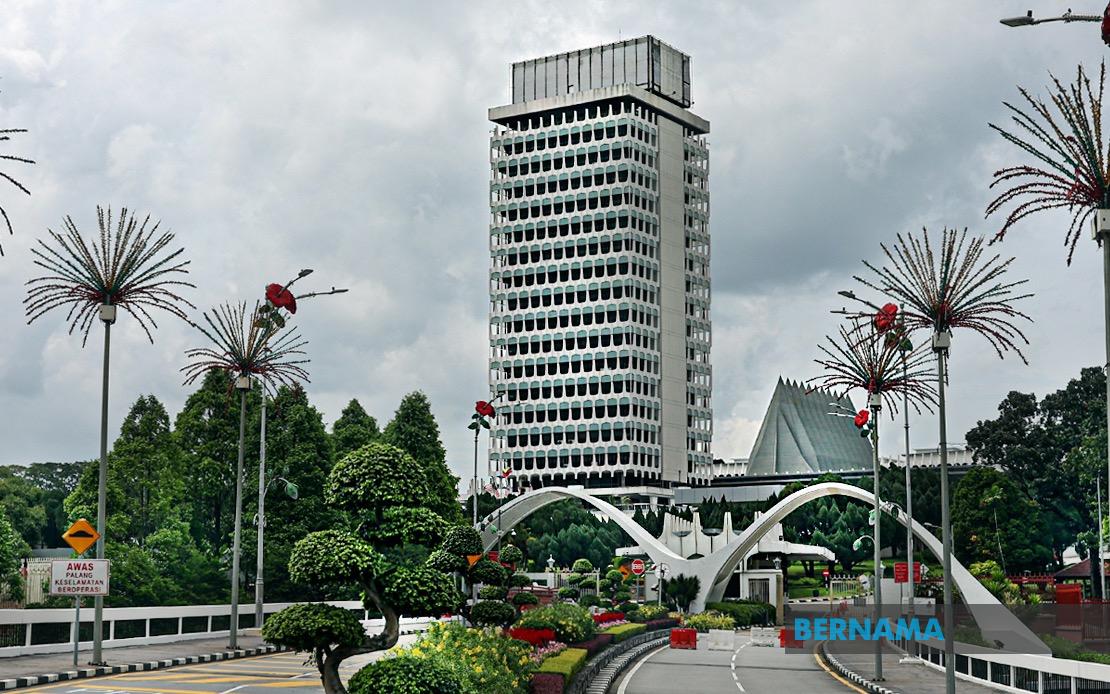
Prime Minister Datuk Seri Anwar Ibrahim has signalled the government's intention to hold a special parliamentary session dedicated to examining the Royal Commission of Inquiry report on Lembaga Tabung Haji (TH), provided the Dewan Rakyat speaker approves the proposed timeframe. Speaking in Seremban following a community engagement event with over 2,000 Form Six and polytechnic students, Anwar indicated that while the Cabinet has already authorised the special sitting, final scheduling remains contingent on approval from Tan Sri Dr Johari Abdul, the speaker of the lower house.
The decision underscores the government's commitment to transparency regarding the lengthy investigations into Malaysia's pilgrimage fund, which has faced considerable public scrutiny over financial management and governance concerns. By advocating for an expedited parliamentary forum, the Prime Minister aims to facilitate comprehensive deliberation among lawmakers, allowing sufficient time for members to digest the RCI findings, seek additional clarifications, and engage in full-day debate on the matter. This approach reflects a broader policy direction under the MADANI administration to address longstanding institutional accountability issues through open parliamentary processes rather than through closed-door handling.
The scope of the investigation extends considerably beyond the initial inquiries conducted in 2014 and 2017, encompassing subsequent developments that unfolded during 2018, 2019, and 2020, as well as remedial steps undertaken in the aftermath. This expanded temporal coverage suggests the RCI has taken a comprehensive approach to reconstructing the complete trajectory of TH's operational and financial challenges, potentially documenting systemic weaknesses that accumulated over multiple administrations. The inclusion of recovery measures in the investigation framework indicates a forward-looking dimension, assessing not merely what went wrong but also evaluating the efficacy of corrective actions implemented to date.
For Malaysian stakeholders and investors in TH, the imminent parliamentary discussion carries significant implications. The fund, which serves as a crucial financial instrument for Malaysian Muslims undertaking the Hajj pilgrimage, manages substantial national resources and commands considerable public trust. The public airing of RCI findings through parliamentary debate may help restore confidence among contributors and beneficiaries by demonstrating governmental resolve to address governance deficiencies comprehensively. Conversely, revelations of systemic mismanagement or financial irregularities could temporarily unsettle contributors' confidence, though the government likely views transparency as ultimately more restorative than continued opacity.
The timing of this announcement carries political significance as well. By moving swiftly to facilitate parliamentary discussion rather than allowing the RCI report to languish in bureaucratic channels, Anwar positions his administration as committed to evidence-based reform and institutional renewal. This stance appeals particularly to constituencies that have grown impatient with delayed accountability for past governance lapses. The emphasis on allowing Members of Parliament adequate time to study and debate the findings reflects recognition that parliamentary legitimacy for any subsequent reforms hinges on thorough collective examination rather than executive imposition.
From a regional perspective, Malaysia's handling of the TH inquiry carries lessons for other Southeast Asian economies grappling with governance challenges in sovereign wealth funds and national financial institutions. The willingness to establish a Royal Commission, conduct investigation into multi-year periods, and subsequently utilise parliament as the primary forum for public accountability represents a comparatively robust institutional response. Other nations in the region navigating similar governance questions may view Malaysia's approach as a model for balancing public disclosure with institutional stability.
The RCI's scope also reflects broader questions about the governance structures governing Malaysia's state-linked enterprises and investment vehicles. Lembaga Tabung Haji represents a category of institution that occupies an ambiguous space between private financial management and public trust responsibility. The inquiry's findings may well prompt wider policy discussions about oversight mechanisms, board composition standards, and accountability frameworks applicable to similar institutions managing public or semi-public resources. Such systemic reforms could ripple across Malaysia's entire landscape of state-owned enterprises and statutory bodies.
Parliamentary consideration of the RCI report also provides an opportunity for deeper institutional learning. Through structured debate, lawmakers can collectively interrogate the causes of identified problems, assess explanations provided by relevant officials and institutions, and develop informed consensus regarding necessary legislative or regulatory reforms. This deliberative process differs meaningfully from media-driven public discourse, offering the potential for more nuanced understanding of complex institutional and financial matters.
The government's proposed approach also carries implications for future institutional inquiries and accountability mechanisms. By demonstrating commitment to swift parliamentary engagement with RCI findings, the administration signals that such inquiries are not merely symbolic exercises but genuine catalysts for policy reform. This credibility can enhance the willingness of stakeholders to cooperate with future investigations, knowing that findings will receive serious institutional consideration rather than disappearing into archival limbo.
Looking forward, the special parliamentary sitting will likely generate substantial public and media attention, providing an occasion for systematic public education regarding TH's historical challenges and contemplated remedies. Given the fund's significance to Muslim communities across Malaysia and its connection to religious observance, the parliamentary debate may also touch upon broader questions of national governance, institutional ethics, and public resource stewardship that resonate beyond the immediate TH context. The government's willingness to facilitate this debate appears calculated to strengthen institutional trust and demonstrate responsiveness to public concerns about accountability in state institutions.

