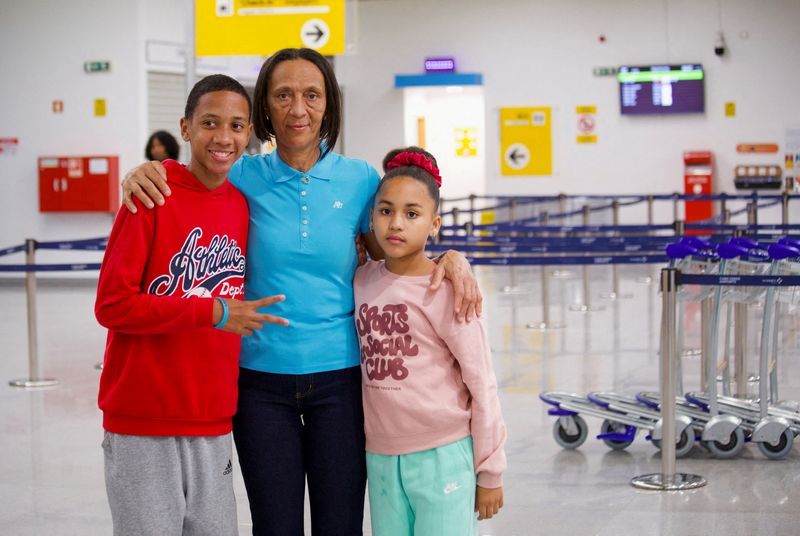
Cape Verde's goalkeeper Vozinha will finally witness his mother in the stands during the World Cup after visa obstacles were removed, allowing Ana Candida Evora to travel to the United States. The 40-year-old custodian had emotionally disclosed that his mother was unable to see him deliver an outstanding display in Cape Verde's tournament opener, a fixture that saw the nation execute a remarkable feat against one of Europe's strongest teams.
Vozinha's heroics in that opening encounter earned him widespread recognition as his side's outstanding performer of the match. Marshalling his defensive line with precision, he made seven crucial interventions to thwart attacks and preserve a scoreless stalemate against Spain, the reigning European champions. The shutout proved particularly impressive given Spain's attacking prowess and tournament pedigree, marking a substantial accomplishment for the African outfit in their opening assignment.
Yet the satisfaction of that sterling performance was shadowed by personal disappointment. Vozinha revealed in an emotional moment that his mother had been unable to secure the necessary travel documentation to witness his performance in Atlanta. The goalkeeper's public disclosure about his family's absence struck a resonant chord with audiences, and his plight subsequently gained considerable attention across media platforms and social channels.
The emotional narrative prompted swift diplomatic intervention from the American authorities. Officials from the United States State Department moved to address the situation, confirming that their visa operations team stationed in Praia, the capital of Cape Verde, had initiated direct engagement with Evora. The department's representatives confirmed they were furnishing all requisite assistance to facilitate her application approval for entry into the country.
A spokesperson for the State Department issued a statement reaffirming the department's commitment to processing the application through established channels. The official indicated that the visa approval would proceed in accordance with all applicable regulations and departmental standards, authorizing Evora's movement to American soil to attend upcoming competition.
The timing of Evora's visa clearance means she will be positioned to attend Cape Verde's subsequent group-phase engagement, scheduled for Miami on Sunday. In that fixture, the nation will contend against Uruguay, another established footballing nation competing in the tournament. The match presents another opportunity for Vozinha to demonstrate his goalkeeping capabilities, this time with his mother present to observe his performance.
Cape Verde's participation in the World Cup has come amid challenging immigration circumstances affecting numerous participating nations. The United States imposed financial requirements on citizens from dozens of countries seeking entry, with some individuals mandated to furnish bonds reaching $15,000 to secure admission. These provisions emerged as part of a comprehensive immigration policy restructuring implemented during the Trump administration, fundamentally altering access protocols for foreign visitors.
The financial burden imposed by these security bond requirements created substantial obstacles for many individuals seeking to travel to the tournament. For Evora specifically, the prospect of accumulating such significant capital proved insurmountable, effectively rendering attendance unfeasible despite her desire to support her son. The combination of visa processing delays and the fiscal prerequisites created a compounding challenge that initially appeared to prevent her participation.
However, the implementation of the bond policy experienced subsequent revision. American authorities determined that individuals in possession of legitimate World Cup tickets would be exempted from the financial security deposit mandate. This adjustment in policy provided an alternative pathway for supporters and family members of competing athletes to gain access without confronting the substantial monetary obligations. The modification proved consequential for those seeking to attend matches without the financial capacity to post such bonds.
Vozinha's narrative resonates particularly with Southeast Asian audiences given the region's deep football passion and the shared experience of immigration bureaucracy affecting citizens seeking international travel. Malaysian supporters, accustomed to following World Cup competitions closely, can appreciate both the goalkeeper's professional accomplishment and the universal struggle families face navigating visa requirements to witness loved ones compete on the global stage. The situation underscores broader challenges affecting citizens from developing nations accessing wealthy countries, a concern that extends well beyond sporting contexts.
The resolution of Evora's travel situation demonstrates how public attention and diplomatic channels can occasionally override bureaucratic obstacles, though it simultaneously highlights the systemic barriers that persist for ordinary citizens. For Cape Verde, a small island nation with limited economic resources, the World Cup represents a significant achievement for its footballing programme. Vozinha's performances, now viewable by his mother, symbolize the nation's competitive capabilities on football's highest platform.
Looking forward, Vozinha and Cape Verde's remaining group matches will carry additional significance, knowing that his family support structure has been restored. The psychological benefit of having his mother present may prove instrumental as the team navigates an increasingly demanding tournament schedule, potentially influencing both his concentration and overall performance in subsequent assignments against formidable opposition.

