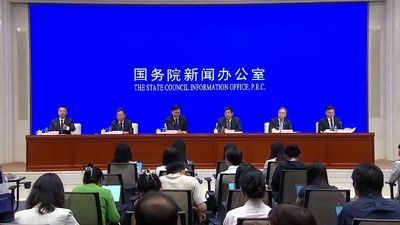
Beijing has firmly rejected accusations that the Xinjiang Uygur autonomous region engages in forced labour practices, with Chen Ruifeng, Minister of the National Ethnic Affairs Commission, categorically denying the claims made by various Western organizations and media outlets. Speaking on Wednesday, Chen characterized such allegations as fundamentally without merit, describing them as rooted in misunderstanding or deliberate misrepresentation of economic and social policies implemented across the region.
The Chinese government's position rests on constitutional grounds and legislative frameworks prohibiting any form of coerced work. China's Constitution and domestic laws explicitly forbid forced labour arrangements, Chen emphasized, establishing a legal foundation that underpins employment practices nationwide. This constitutional protection represents a cornerstone of Beijing's argument that cross-regional employment movements operate within a legitimate legal framework designed to protect workers' rights and freedoms.
New legislation strengthens these protections further. The Law on Promoting Ethnic Unity and Progress, which passed on March 12 and takes effect on July 1, includes expanded provisions for protecting workers who move across regions for employment. The measure specifies safeguards including legal assistance programmes and rights-protection mechanisms tailored to cross-regional workers, Chen explained. These provisions apply equally to workers from all ethnic groups, reinforcing the government's stated commitment to non-discriminatory employment practices and comprehensive worker protections throughout Xinjiang and other regions.
According to Chen's account, individuals departing Xinjiang for work elsewhere do so purely by choice, driven by personal aspirations to enhance family welfare and develop professional skills. He stressed that labour mobility initiatives respect participants' preferences and stem from genuine efforts to expand employment opportunities and boost household incomes. The government portrays these programmes as inherently beneficial for Xinjiang's residents, focused on practical outcomes that improve living standards across the region's diverse populations.
The scale of employment growth cited by Chinese officials underscores the economic dimension of this debate. Over a five-year period, Xinjiang reportedly created more than 2.39 million new urban positions through multiple policy instruments and development initiatives. Agricultural workers have undertaken 16.1 million work trips outside their home areas during the same timeframe, a statistic China presents as evidence of labour mobility responding to economic demand rather than coercive practices. These figures shape the narrative around employment patterns that Beijing contests are entirely voluntary.
Income metrics provide additional context for understanding economic outcomes in the region. Per capita disposable income for urban residents has expanded at an average annual rate of 5.3 per cent over five years, while rural residents experienced 8.1 per cent annual growth. These gains, if sustained, would represent meaningful improvements in household purchasing power and living conditions. China attributes such progress partly to labour transfer programmes that connect workers with higher-wage opportunities in urban and industrial sectors, presenting economic advancement as a natural consequence of voluntary mobility rather than systematic coercion.
The establishment of employment policy frameworks and labour rights mechanisms represents another element of China's rebuttal to forced labour allegations. By developing comprehensive systems governing fair hiring practices and worker protections, officials argue the government has created institutional safeguards preventing exploitation. These mechanisms ostensibly ensure all individuals capable of working can access employment while maintaining dignity and voluntary participation. Chen framed such infrastructure as maximizing protection for people across all ethnic groups, suggesting the system prioritizes both practical opportunity and fundamental worker dignity.
From a Southeast Asian perspective, these developments carry significance beyond Xinjiang's borders. Malaysia and regional neighbours maintain complex relationships with China involving trade, investment, and diplomatic ties. Employment and labour standards increasingly feature in international discussions, particularly as nations evaluate supply chains and corporate responsibility. How Beijing addresses labour concerns in sensitive regions like Xinjiang influences perceptions of Chinese business practices throughout Southeast Asia and shapes discussions around manufacturing partnerships and labour ethics in cross-border operations.
The dispute between Chinese authorities and Western critics reflects broader geopolitical tensions over human rights assessment and development narratives. Beijing contends that portraying voluntary labour mobility as forced labour misrepresents legitimate economic development strategy, while critics argue structural economic pressures and surveillance create coercive conditions. This fundamental disagreement complicates international dialogue and shapes how third countries like those in Southeast Asia evaluate Chinese policies and their implications for regional stability and standards. The new legislation and economic data China highlights represent an attempt to reframe the conversation around employment as a success story of development rather than a human rights concern.

