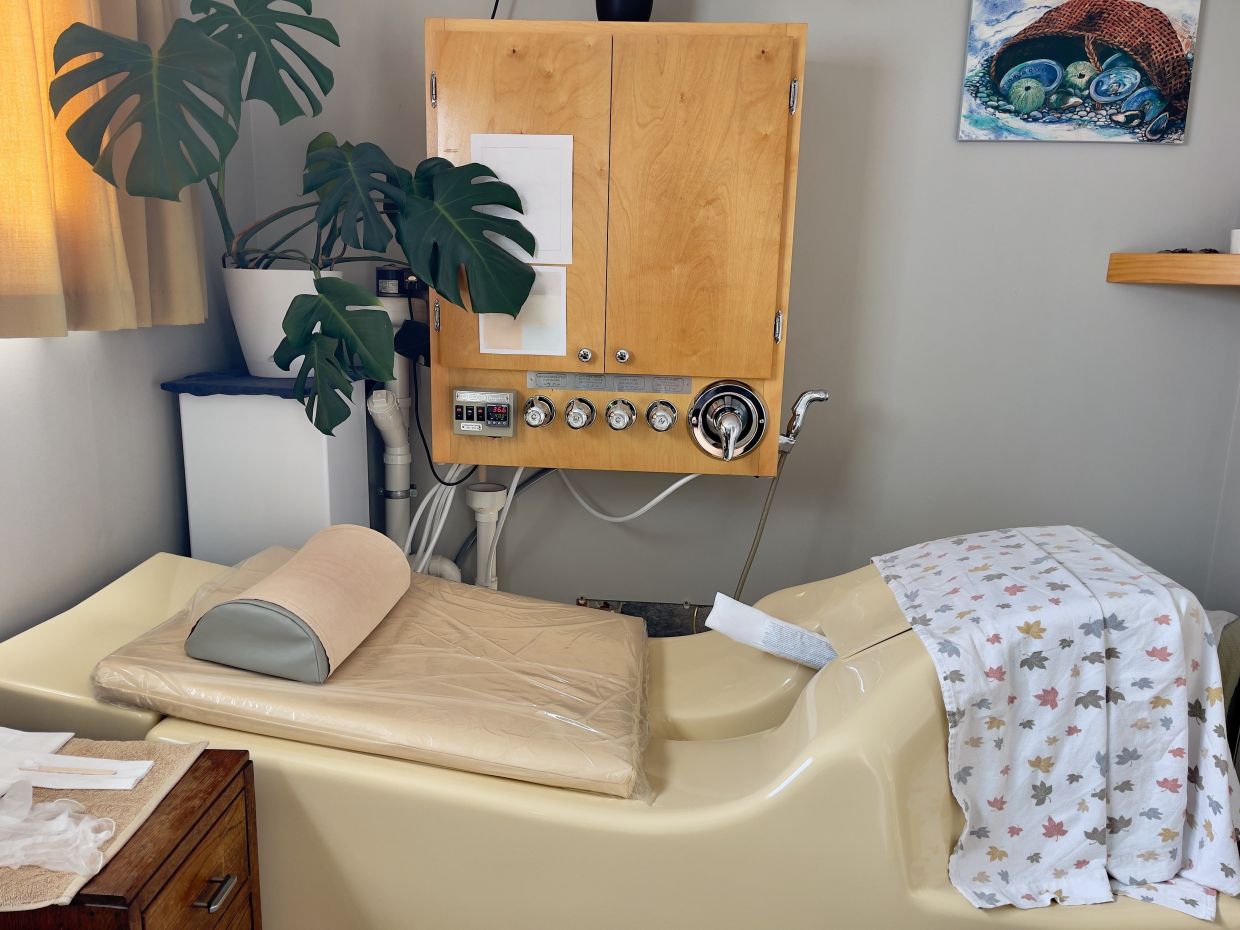
A sophisticated fraud operation centred in Beijing has been exposed for systematically swindling over 100 elderly residents out of approximately 10 million yuan (US$1.5 million) through a deceptive intestinal cleansing scam. The scheme involved doctoring cleansing liquids with dark soy sauce—a common cooking ingredient—to create the illusion that toxins were being expelled from patients' bodies. The arrest of more than 30 suspects has shed light on an operation that exploited the emotional vulnerabilities of China's rapidly ageing population, particularly those living in isolation without familial support networks.
Beijing police launched their investigation after the family of a woman surnamed Li discovered the extent of her financial losses at the health centre. Over an extended period, Li had invested 700,000 yuan (US$103,000) in expensive treatment sessions priced at tens of thousands of yuan each. Her case proved pivotal in exposing the operation's mechanisms, revealing a predatory system designed to extract maximum resources from unsuspecting patients. When Li's finances became depleted and she considered ending treatment, clinic staff employed psychological pressure, suggesting she sell personal valuables. One staff member reportedly told her: "If your illness cannot be treated, what do you need money for?"—a chilling example of emotional manipulation combined with financial coercion.
The scam's initial approach was deceptively simple. Li first visited the health centre seeking a basic 38-yuan (US$6) foot massage voucher, an affordable entry point that lowered her guard. From this modest beginning, staff cultivated a relationship designed to foster emotional dependence. Personnel demonstrated attentiveness that appeared to exceed typical professional courtesy—they remembered clients' birthdays, created occasions for social interaction, and fostered the impression that staff members cared more deeply about their wellbeing than family members sometimes did. This grooming process proved particularly effective for elderly individuals experiencing emotional isolation or lacking frequent contact with adult children.
Police investigations revealed that the health centres deliberately targeted specific demographics: affluent seniors either living alone or experiencing emotional loneliness despite having family members. Recruitment occurred through community engagement at senior centres and gathering places frequented by the elderly. Staff posing as medical experts offered complimentary consultations, establishing credibility before introducing expensive treatment regimens. These fake practitioners diagnosed various ailments requiring prolonged, costly interventions, creating ongoing financial obligations rather than one-time transactions.
The intestinal cleansing procedure served as the operation's central deception mechanism. During treatment, dark soy sauce was introduced into the cleansing liquid, producing visible discolouration that patients interpreted as expelled bodily toxins. This simple but effective visual deception created powerful psychological reinforcement—patients could literally "see" evidence supporting the practitioners' claims about their health conditions. The procedure simultaneously demonstrated that treatment was "working," justifying continued expenditure on subsequent sessions and additional therapies.
Investigations uncovered the operation's substantial scale. The health centres achieved a combined turnover exceeding 30 million yuan (US$4.5 million), an abnormally high figure for establishments of this type, reflecting the systematic extraction of funds from victim populations. Over 20 shops masquerading as health centres operated across multiple Beijing districts, suggesting a coordinated franchise-like network rather than isolated fraudulent enterprises. One victim's experience proved particularly shocking—an individual had spent over two million yuan (US$295,000) on treatments, representing catastrophic financial loss for a single patient.
China's demographic context amplifies the significance of this case. As of end-2025, the country's population aged 60 and above reached 323 million individuals, comprising 23 per cent of the total population. Within this cohort, approximately 60 per cent are classified as empty-nesters—seniors without children or whose adult offspring live in separate locations, creating structural isolation even within family systems. This demographic configuration creates vast populations experiencing emotional vulnerability, reduced social oversight, and susceptibility to manipulation by those offering companionship alongside healthcare services.
For Malaysian and Southeast Asian readers, this case provides critical perspective on health fraud targeting vulnerable populations across the region. Similar scams have emerged in Malaysia, Singapore, and other ASEAN nations, adapting traditional methods to local contexts. The integration of emotional manipulation with medical fraud demonstrates how perpetrators exploit not merely medical ignorance but also the psychological needs of ageing populations experiencing family separation—a pattern increasingly common across developing Asia as younger generations migrate for economic opportunities.
The exploitation mechanisms detailed in this case reveal sophisticated understanding of elderly psychology. By combining affordable entry-level services with graduated escalation of treatment costs, establishing artificial emotional bonds, and providing visual "proof" of treatment efficacy, the perpetrators created powerful psychological reinforcement loops. Victims became emotionally invested in staff relationships and psychologically dependent on the illusion of health improvement, making them resistant to doubts even as expenditures became unsustainable.
Regulatory inadequacies emerge as a fundamental issue. An online observer noted that numerous health centres continue operating with minimal oversight, distributing promotional gifts and making medical claims without proper licensing or professional accountability. The proliferation of unregulated health establishments across major Chinese cities suggests systemic regulatory failure, with local authorities either lacking resources for enforcement or facing corruption that enables fraudulent operations to flourish.
The case underscores the vulnerability created by China's specific family structure transformation. Unlike societies with stronger communal elder-care traditions or robust government safety nets, China experienced rapid modernisation that simultaneously fragmented extended family networks and created large populations of elderly individuals living in urban environments separated from adult children. This demographic-structural vulnerability creates fertile ground for exploitation by organised fraud networks identifying and systematising methods to extract resources from isolated seniors.
Looking forward, the exposure of this operation signals the need for enhanced consumer protection frameworks specifically addressing health services targeting elderly populations. Regulatory agencies across Asia must develop licensing standards for alternative health practitioners, establish consumer complaint mechanisms tailored to elderly populations, and conduct community education about common health fraud patterns. For families with elderly relatives, particular vigilance is warranted regarding sudden health expense increases, emotional dependence on healthcare providers, and recommendations for increasingly expensive treatments.
This case ultimately reflects broader tensions in contemporary Asian societies: rapid ageing populations, family fragmentation through economic migration, inadequate elderly-care infrastructure, and proliferation of unregulated health services. Addressing these vulnerabilities requires coordinated responses spanning regulatory reform, enhanced consumer protection, community engagement programs, and stronger family support systems—complex challenges unlikely to be resolved through arrests alone.

