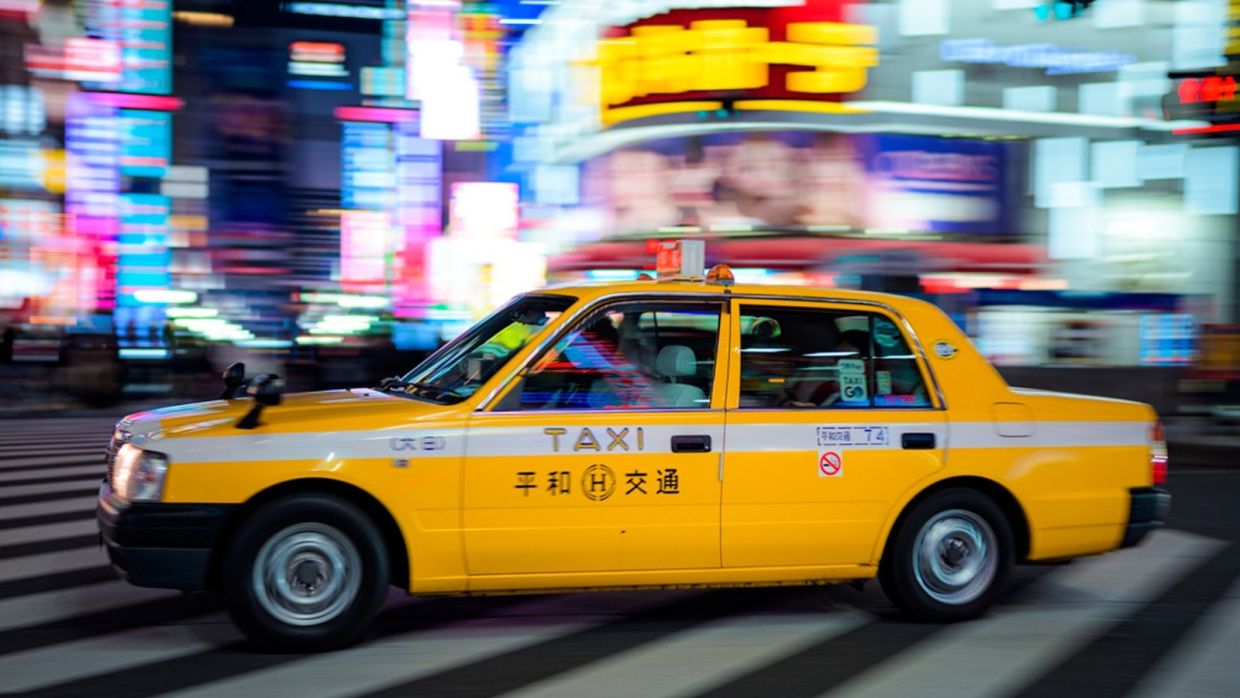
Tokyo authorities have arrested Wang Xiaoyu, a 41-year-old Chinese national, on suspicion of orchestrating an unlicensed taxi operation that capitalised on Japan's growing tourism boom by transporting visitors in vehicles registered under a legitimate chauffeur service company. The investigation, initiated following complaints from traditional taxi operators at Haneda Airport, reveals a sophisticated scheme that exploited regulatory gaps in Japan's commercial transportation framework and took advantage of the surge in international visitors arriving in the capital.
Wang is accused of violating the Road Transportation Act by systematically leasing vehicles registered in the name of Phoenix Kokusai, a chauffeur service company he effectively controlled, to individuals who were not employed by the organisation. These non-employees then operated unlicensed taxi services, primarily ferrying Chinese tourists and other visitors between February and April this year, generating substantial revenues that police believe reached approximately 38 million yen (around USD 233,000) across eighteen drivers over a six-month period from November 2024 to May 2026.
The vehicles used in the operation carried green licence plates, a classification introduced to Japan's transportation regulatory system in 2014 that designates them as "urban hire" vehicles. This category was designed specifically to accommodate a different transportation model requiring passengers to book services in advance and commit to minimum charter periods of two hours. However, law enforcement agencies have identified a critical vulnerability in this system: the green plates lack sufficient visual distinction to allow police or the public to easily identify vehicles operating illegally, making detection challenging and creating opportunities for exploitation by sophisticated operators.
Japan's commercial vehicle licensing system distinguishes between different categories through colour-coded registration plates, with green denoting the urban hire category. This regulatory framework has become increasingly significant as Japan's inbound tourism numbers have expanded dramatically over the past decade. The Ministry of Land, Infrastructure, Transport and Tourism reported that registered urban hire vehicles grew substantially from 3,868 in the 2013 fiscal year to 8,850 by fiscal 2024, reflecting both legitimate demand and mounting pressure on existing transportation infrastructure to accommodate millions of additional visitors annually.
Wang has partially disputed the allegations levelled against him, though police possess evidence suggesting his operation generated substantial income by charging drivers fees for the privilege of using Phoenix Kokusai's company name and vehicle fleet. This arrangement effectively transformed the chauffeur service into a platform facilitating illegal transportation operations, with Wang functioning as the intermediary controlling access to vehicles and managing relationships between the company and the individual operators. The structure allowed Wang to maintain operational distance from direct customer interactions while retaining control over revenue collection.
Three additional individuals, all Chinese nationals working as drivers, have been separately arrested on identical charges of violating the Road Transportation Act. Their involvement as drivers in the scheme demonstrates the coordinated nature of the operation, suggesting Wang had cultivated relationships with multiple operators who understood the mechanics of the illegal service and agreed to participate despite regulatory risks. The arrests have prompted discussions among Tokyo law enforcement about how organised transportation schemes exploit regulatory categories designed for legitimate purposes.
The case reveals vulnerabilities in Japan's approach to regulating transportation services amid unprecedented tourism growth. The urban hire category was established as a flexible alternative to traditional taxi licensing, intended to provide supplementary transportation capacity during peak demand periods. However, operators like Wang identified an opportunity to repurpose this category for what amounts to conventional taxi operations, undercutting licensed competitors by eliminating regulatory compliance costs and licensing fees associated with traditional taxi services.
Complaints from established taxi operators at Tokyo's Haneda Airport, one of Asia's busiest aviation hubs, prompted authorities to investigate suspicious activity among vehicles soliciting passengers at the terminal. Haneda serves as the primary entry point for international visitors arriving in Tokyo, making it a logical focal point for a scheme targeting foreign tourists. The concentration of inbound travellers, many unfamiliar with local transportation norms and regulations, provided an ideal customer base for illegal services offering convenient point-to-point transportation.
The investigation highlights broader concerns about how informal transportation networks emerge in major tourist destinations, particularly where significant language barriers and cultural unfamiliarity might prevent travellers from recognising unlicensed operations. Tourist transportation has become an increasingly contentious issue across Asia's major cities as informal ride-sharing and unlicensed taxi operations compete with regulated services. In Japan's case, the regulatory framework attempting to accommodate tourism growth has inadvertently created loopholes that determined operators can exploit for significant commercial advantage.
Tokyo's experience carries implications for other major Asian cities managing rapid tourism expansion alongside existing transportation industries. Malaysia's Kuala Lumpur and other regional hubs similarly navigate tensions between accommodating visitor demand and protecting licensed taxi operators from unfair competition. The Tokyo case demonstrates how transportation regulations designed with legitimate flexibility in mind can be subverted by operators willing to assume legal risks in exchange for substantial profits, particularly when enforcement mechanisms struggle to distinguish legal from illegal operations at first glance.
The scale of Wang's operation, generating over 38 million yen from fees charged to drivers, suggests significant unmet demand for affordable point-to-point transportation among tourists in Tokyo. This finding challenges assumptions about visitor transportation preferences and may prompt Japanese authorities to reconsider regulatory frameworks that could legitimately accommodate such demand while maintaining safety standards and fair competition. The case also raises questions about how foreign nationals operating in Japan orchestrate schemes spanning multiple participants and substantial financial flows while maintaining operational security sufficiently to avoid detection for extended periods.
Authorities have indicated the investigation remains ongoing, with potential implications for regulation of urban hire vehicles and enhanced monitoring at major transit hubs. The Tokyo Metropolitan Police Department is examining whether similar operations exist elsewhere, suggesting this case may represent only one instance of broader trends in transportation service disruption. For Malaysian regulators overseeing Kuala Lumpur's transport sector, the Tokyo case offers cautionary lessons about monitoring licensing compliance and preventing regulatory categories designed for flexibility from becoming mechanisms for evasion.

