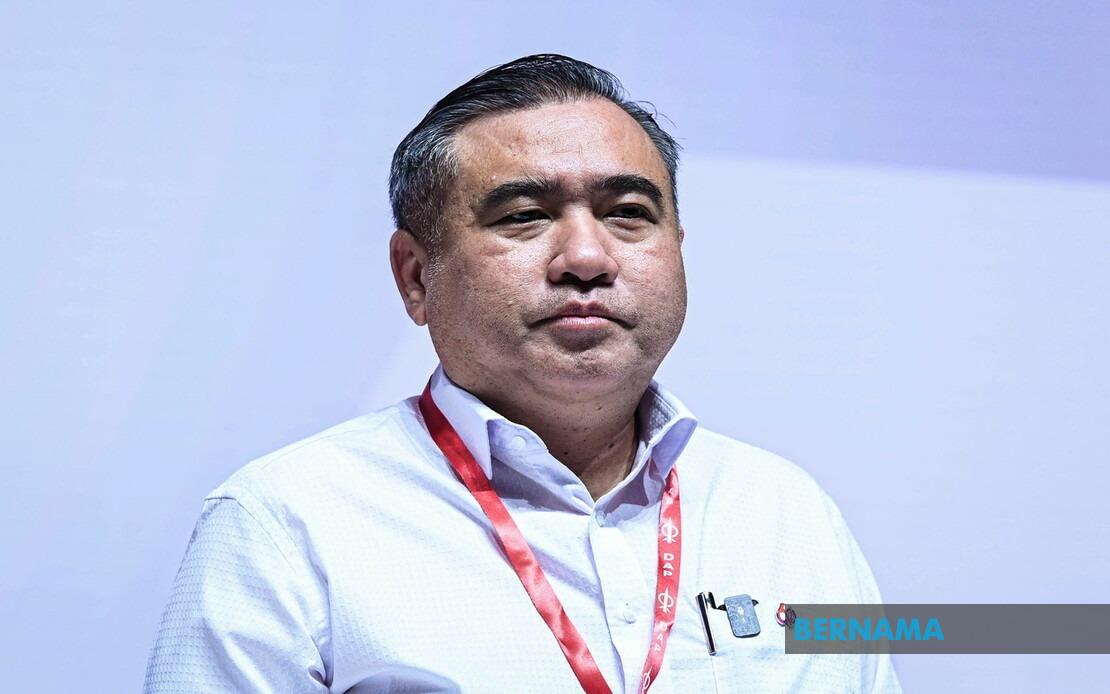
The Democratic Action Party has committed to channelling grassroots concerns about government assertiveness directly to the Cabinet following its 2026 Party Conference in Putrajaya. Secretary-general Anthony Loke revealed that delegates had voiced calls for both the government and the party to adopt a more decisive and assertive approach to policymaking and governance. Rather than dismissing these concerns, DAP leadership intends to present them formally through Cabinet channels as part of the party's contribution to the Unity Government coalition.
The feedback emerged during an open debate session at the party conference held at the Putrajaya International Convention Centre, a deliberate format designed to permit delegates to air critical perspectives without fear of reprisal. This transparent approach to internal dissent reflects DAP's commitment to democratic processes within its own structures. Loke emphasised that the party encourages such candid discussions, viewing them as essential mechanisms through which grassroots sentiment can inform leadership decisions. The decision to openly debate the party's role in government demonstrates confidence in the legitimacy of the Unity Government arrangement, even as critics within the party seek more robust action on key issues.
The party conference voted overwhelmingly to remain within the Unity Government framework, with 1,857 delegates supporting continued participation compared to 242 voting against, from a total of 2,106 ballots cast. This 88 per cent endorsement provides a clear mandate for the party's continued involvement in the coalition government. However, Loke highlighted the significance of respecting the 12 per cent minority who opposed the arrangement, signalling that dissenting voices will face no consequences for their positions. This approach distinguishes DAP from some other political organisations and reinforces the party's self-image as democratically accountable to its membership rather than centralised around leadership directives.
By formalising the transmission of delegate feedback through Cabinet channels, DAP attempts to convert internal party sentiment into tangible government action. Loke suggested that the mandate emerging from the conference would guide the party's ongoing work within the executive branch. This mechanism allows the party to maintain both internal legitimacy with members who harbour doubts about the Unity Government while simultaneously remaining committed to the coalition. For Malaysian voters and political observers, this strategy reveals how coalition governments operate in practice—through negotiation, feedback loops, and the translation of party priorities into shared policy positions.
A significant portion of delegate concerns focused on the government's decisiveness and assertiveness in implementation. This criticism suggests that some DAP members believe the current administration could move faster and more boldly on priority issues. The nature of these concerns reflects broader frustrations within the Pakatan Harapan coalition about the pace of reform and structural change. Malaysia's relatively recent transition from decades of single-party dominance to coalition governance has created expectations among reform-minded supporters that structural changes would occur more rapidly. The gap between these expectations and administrative reality appears to be a source of tension that DAP must navigate.
Loke's emphasis that the reforms being pursued represent shared government agendas rather than exclusively DAP initiatives addresses a critical political narrative. Opposition parties have characterised DAP as using the party conference to pressure the Prime Minister on partisan goals. By insisting that proposed reforms—including the separation of the Attorney-General and Public Prosecutor roles, limiting prime ministerial tenure to two terms, and anti-corruption efforts—represent commitments made during the election campaign and agreed upon across the coalition, Loke attempts to reframe these measures as government-wide priorities rather than one party's wish list. This distinction matters significantly in Malaysia's fractious political environment, where coalition stability depends partly on perceptions of fairness in advancing competing interests.
The separation of the Attorney-General and Public Prosecutor positions exemplifies the type of institutional reform that DAP prioritises. This structural change would address longstanding concerns about concentrated prosecutorial power and has long been advocated by civil society organisations and legal reform groups. Similarly, the two-term limit on prime ministerial tenure represents an attempt to institutionalise checks on executive power. These reforms reflect modernising impulses within the coalition, though their implementation timeline remains subject to political negotiation among coalition partners with differing reform priorities. For Malaysia's governance architecture, even discussing such institutional changes publicly indicates a meaningful departure from the previous administration's centralised approach.
The anti-corruption agenda that DAP emphasises aligns with broader Southeast Asian concerns about governance standards and investor confidence. Malaysia's standing in international corruption perception indices has affected its ability to attract high-quality foreign investment and maintain regional standing. By championing anti-corruption initiatives, DAP positions itself as committed to institutional integrity and professional governance standards. However, the actual implementation of anti-corruption measures necessarily affects powerful interests across Malaysian society, creating inevitable resistance and political costs that complicate rapid advancement of such agendas.
The party conference vote and subsequent Cabinet coordination represent how Malaysia's newer coalition arrangements differ fundamentally from the previous hegemonic system. Under the prior configuration, a single party's conference decisions carried less weight in terms of requiring high-level government coordination; today, coalition partners must continuously negotiate and translate party priorities into shared government action. This reality creates both opportunities and constraints for reform-oriented parties like DAP. The opportunities lie in having direct influence over government direction; the constraints emerge from the need to accommodate coalition partners' differing priorities and from the inherent compromises required in multi-party governance.
Moving forward, the transmission of these delegate demands through Cabinet channels will test the depth of commitment within the Unity Government to institutional reform and more assertive governance. Loke's acknowledgement of critical voices and commitment to representing them suggests that DAP intends to maintain both internal party cohesion and external coalition solidarity. For Malaysian political observers, the next months will reveal whether these Cabinet-level discussions translate into accelerated policy implementation or whether institutional and political constraints will continue to moderate the pace of change. The outcome will substantially influence DAP's standing among members who view the Unity Government arrangement as either a pragmatic step toward incremental reform or a compromise that dilutes the party's reform ambitions.

