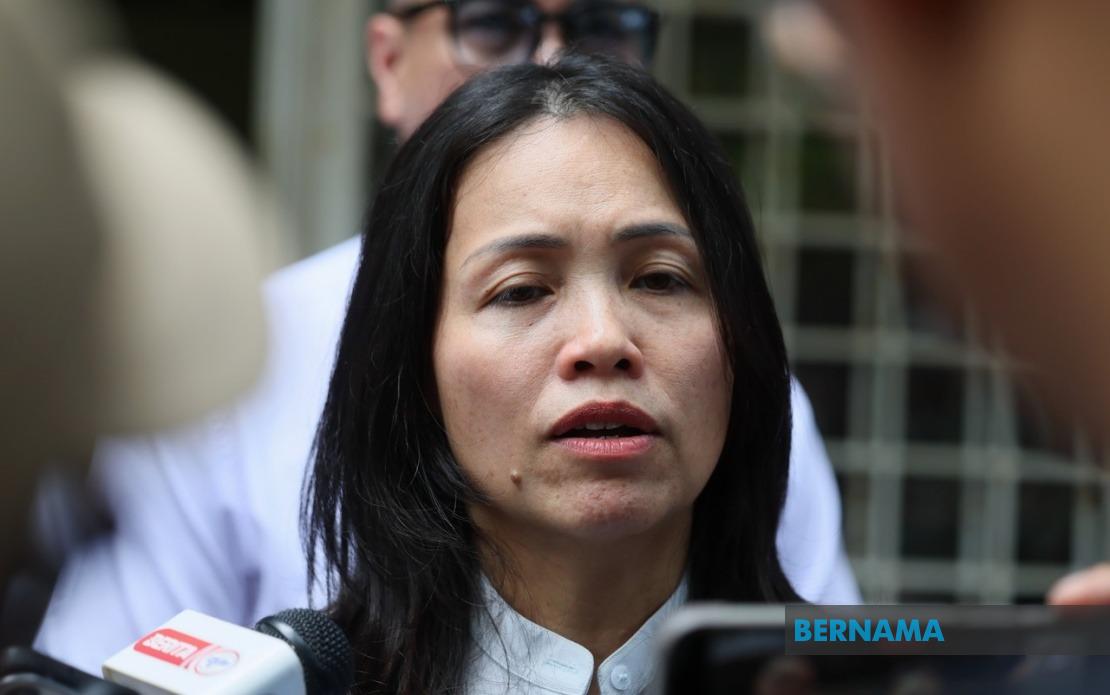
Johor DAP chairman Teo Nie Ching has issued a forceful rebuke of what she characterises as a coordinated disinformation campaign involving the doctoring of campaign materials ahead of the Johor state election, urging Malaysians to resist attempts to weaponise religious imagery and cultural symbols for political gain. The manipulation of posters depicting potential DAP candidates as Muslim women with incorrectly worn headscarves represents a deliberate attempt by opposing forces to sow discord among voters and suppress electoral enthusiasm in the non-Malay, particularly Chinese, communities that form a significant portion of the opposition coalition's base of support.
The strategic dimension of this campaign technique reveals the calculated nature of contemporary political contestation in Malaysian elections. By doctoring images to suggest religious impropriety or cultural transgression, those responsible appear to be banking on assumptions about voter sensitivity to interreligious matters and anxieties about cultural dilution—concerns that have periodically surfaced in Malaysian electoral discourse. The tactic appears designed to generate fear that voting for DAP candidates might somehow compromise religious values or communal interests, thereby driving a wedge between secular-minded voters and the Pakatan Harapan coalition.
Teo, who also holds the position of Deputy Communications Minister and serves as Wanita DAP chief, has emphasised that such methods not only assault the integrity of political debate but also demonstrate a troubling disrespect toward the women candidates themselves. Her articulation of DAP's position on this matter underscores the intersectional nature of the alleged smear: the posters simultaneously deploy religious imagery to create fear while instrumentalising women's bodies and clothing choices as vessels for that anxiety. This form of attack, she suggests, reflects broader contempt for gender equality and women's political participation.
DAP's institutional response emphasises the party's longstanding commitment to religious pluralism and respect for Malaysian Islam as practised within the constitutional framework. The party has positioned itself as a defender of all communities' rights regardless of faith background, and Teo's statement reaffirms this commitment by stressing that DAP would never trivialise the religious significance of Islamic practice. This rhetorical move serves to neutralise potential criticism that the party is insensitive to Muslim concerns while simultaneously condemning the poster manipulation as itself constituting a form of religious disrespect through misuse of sacred symbols.
The Electoral Commission has established June 27 as the nomination date for Johor's 56-seat state parliament, with voting scheduled for July 11. This timeline means that such controversies are unfolding during the critical pre-campaign phase when party messaging and voter perceptions are being shaped. Johor represents significant political territory: Barisan Nasional currently controls 40 seats following the State Legislative Assembly's dissolution on June 1, while Pakatan Harapan holds 12 seats, Perikatan Nasional commands three, and MUDA retains one.
The composition of Johor's electorate makes the state a testing ground for opposition appeal to diverse Malaysian voters. The state has historically been Barisan Nasional's stronghold, but PH has been working to expand its footprint among urban and semi-urban constituencies. Allegations of manipulated campaign materials suggest that the political battle for Johor will be fought not only through conventional campaign methods but also through attempts to exploit existing communal sensitivities and generate doubt about opposition candidates' commitment to Malaysian multiculturalism.
For Malaysian readers monitoring this development, the incident highlights the ongoing vulnerability of electoral discourse to disinformation and manipulation. The ease with which digital imagery can be altered and distributed through social media networks means that candidates and parties across the political spectrum must contend with both authentic and fraudulent representations of themselves and their rivals. The deliberate alteration of campaign posters represents a particularly insidious form of disinformation because it appears to offer documentary evidence of positions or statements that may never have been made.
Teo's appeal for voters to reject such tactics and instead choose "harmony, unity and peace" frames the election as a choice between substantive political competition and the weaponisation of communal divisions. This framing suggests that the DAP sees the poster manipulation as part of a broader strategy to delegitimise opposition politics by portraying it as reckless or disrespectful toward religious and cultural values. The counter-narrative being advanced is that genuine political choice can occur within a framework of mutual respect for Malaysia's plural society.
The incident also raises questions about the regulatory environment surrounding digital media and political advertising in Malaysia. While traditional campaign materials can be monitored by election authorities, the manipulation and distribution of images through digital channels presents enforcement challenges that existing regulatory frameworks may not adequately address. As Malaysian elections increasingly feature digital-era campaign tactics, stakeholders across the political spectrum must grapple with questions about how to maintain electoral integrity while preserving free expression.
For Southeast Asian observers, the Johor situation offers insights into how religious and cultural anxieties continue to shape electoral politics in diverse democracies. The apparent strategy of using religious imagery to manipulate voter behaviour reflects persistent tensions in Malaysian politics around questions of national identity, religious authority, and the legitimate scope of secular governance. These themes resonate across the region, where many countries struggle to balance democratic governance with societies' deep religious and cultural heterogeneity.
As the Johor campaign enters its formal phase, the controversy surrounding the doctored posters serves as an early indicator of the tone and character the election contest may assume. Whether voters will respond to DAP's framing of the issue as one of democratic dignity and pluralistic coexistence, or whether the underlying anxieties the poster manipulation was designed to trigger will influence voting patterns, remains to be determined. The party's insistence that Malaysians of all backgrounds reject such tactics reflects confidence in the electorate's capacity for discernment, though the prevalence of such alleged campaigns suggests ongoing vulnerability to manipulation.