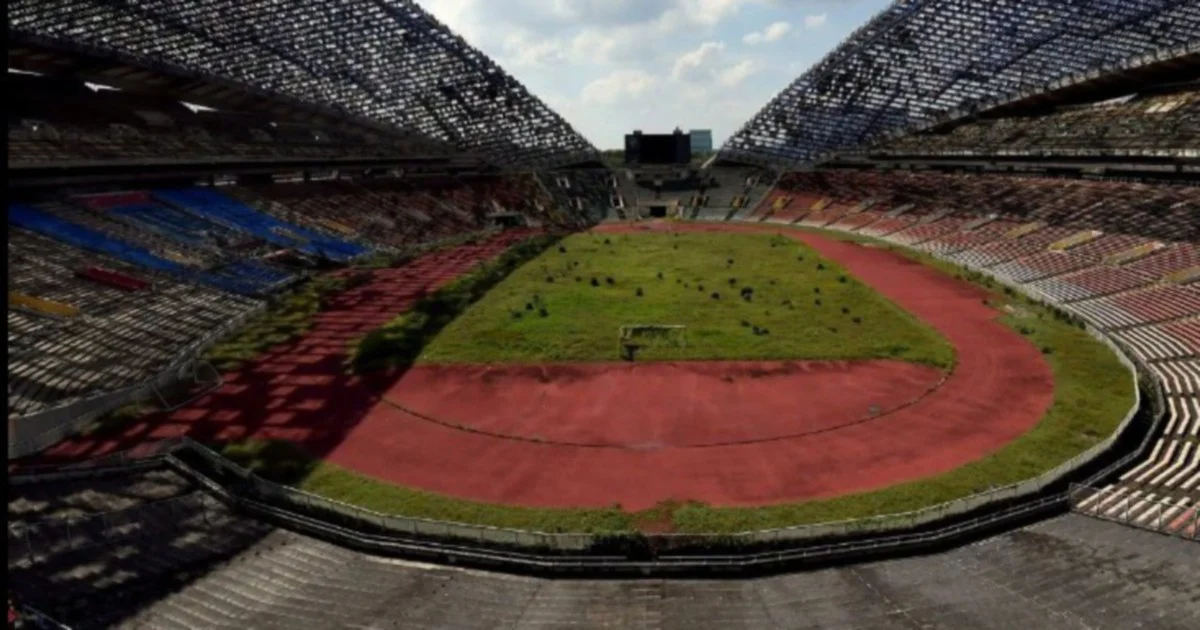
Malaysian Resources Corporation Bhd (MRCB) has obtained a consent judgment from the Shah Alam High Court against activist Abdul Razak Ismail, stemming from online publications related to the company's demolition and redevelopment plans for Shah Alam Stadium. The development represents a significant legal victory for the property and infrastructure firm, which claimed that the activist's digital content had inflicted substantial economic losses on its operations.
The consent order, agreed between both parties and formalised by the court, addresses what MRCB characterised as damaging statements distributed through online platforms. The stadium redevelopment project has emerged as a contentious issue in Selangor, touching on broader questions about heritage preservation, urban development trajectories, and the balance between corporate investment and public interest activism.
Shah Alam Stadium, originally constructed as a multipurpose venue in the state capital, had become the focal point of debate surrounding modernisation versus retention of established community facilities. The site's transformation into a mixed-use development represents a substantial financial commitment by MRCB, reflecting the company's broader strategy of repositioning ageing infrastructure assets into contemporary urban spaces across Malaysia's Klang Valley region.
The activist's online campaigns had reportedly generated significant public discourse, with social media engagement amplifying concerns about the stadium's demolition. Abdul Razak Ismail, known for activism around urban planning and heritage issues, had used digital channels to mobilise community sentiment against the project, raising questions about historical value and the displacement of cultural landmarks in rapidly urbanising areas.
MRCB's legal action represents an increasingly common corporate response to sustained digital criticism. Malaysian courts have progressively examined cases involving online defamation and commercial harm claims, creating evolving jurisprudence around what constitutes actionable statements in digital spaces. The consent judgment indicates both parties concluded litigation served their interests better than prolonged court proceedings, though the specific terms remain confidential.
For Malaysian activism and civil society, the case illustrates mounting tensions between corporate development interests and grassroots opposition campaigns. Digital platforms have democratised activist communication, enabling individuals to challenge large-scale projects without traditional media gatekeeping. Simultaneously, companies have increasingly weaponised defamation law to constrain critical voices, prompting ongoing debate about whether such measures stifle legitimate public discourse or legitimately protect business reputations.
The judgment carries implications for urban development planning across Southeast Asia's major cities. Stadium redevelopment projects affect constituencies beyond shareholders, including sports enthusiasts, communities reliant on venue facilities, and heritage conservationists. When courts enforce restrictions on public criticism of such projects, they potentially narrow spaces where affected populations can articulate objections, raising governance questions about transparency and stakeholder consultation in infrastructure transformation.
Sources within the development sector note that MRCB's legal victory may embolden similar corporate approaches toward activist campaigns targeting major projects. Property developers across Malaysia frequently encounter organised resistance to large-scale transformations, particularly when projects involve demolishing established public venues. The consent order could establish precedent influencing how companies respond to digital opposition.
From the activist perspective, the case underscores resource disparities between organised corporate entities and individual campaigners. While MRCB commands substantial legal resources and institutional support, activists rely on voluntary effort and crowdfunded legal assistance. Consent judgments often impose conditions on future public statements, potentially constraining activists' capacity to sustain campaigns after courts have intervened.
Shah Alam, as Selangor's administrative centre, represents a microcosm of Malaysia's rapid urban transformation. The city has experienced accelerated development over two decades, with multiple heritage structures yielding to contemporary projects. The stadium case reflects community anxiety about whether modernisation necessarily requires erasing historical landmarks, or whether creative redevelopment might preserve cultural continuity alongside commercial utility.
The court's involvement suggests the dispute extended beyond typical corporate-activist sparring into territory courts deemed appropriate for formal judgment. This intervention indicates either party believed unresolved conflict imposed unacceptable costs, or that judicial authority offered superior conflict resolution compared to continued public disputation. Consent judgments typically emerge when both sides calculate benefits from settlement exceeding litigation's uncertain outcomes.
Looking forward, the case may influence how Malaysian civil society organisations approach corporate accountability campaigns. Activists may become more circumspect in online statements, potentially self-censoring substantive criticism to avoid legal exposure. Alternatively, activists may intensify offline organising, recognising that digital channels carry legal risk while physical mobilisation operates in different regulatory terrain.
For Malaysia's broader development landscape, the judgment encapsulates enduring tensions between growth imperatives and livability concerns. As cities densify and property values escalate, decisions about which structures survive transformation become increasingly fraught. The Shah Alam Stadium case, resolved through courts rather than collaborative planning processes, illustrates how legal frameworks sometimes substitute for genuine stakeholder engagement in shaping urban futures.

