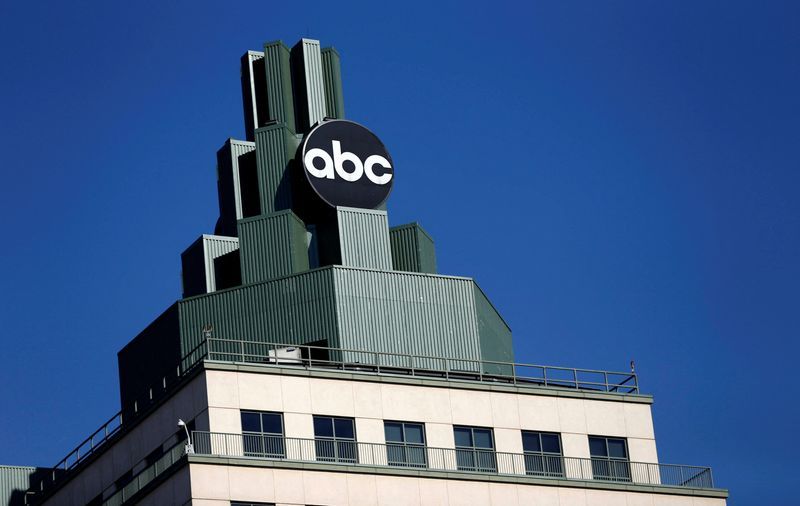
Disney and its ABC broadcasting unit filed a lawsuit in U.S. District Court in Washington on Tuesday to prevent the Federal Communications Commission from proceeding with an accelerated review of licenses for eight ABC stations, contending that the Trump administration is weaponising regulatory authority to silence editorial content it opposes. The media giant characterised the FCC's actions as an "extraordinary assault on free speech," arguing that the agency is coercing and retaliating against a network that has refused to capitulate to White House pressure. The case marks a pivotal constitutional moment for American media, testing the boundaries of government authority over broadcasters and the First Amendment protections afforded to news organisations.
President Donald Trump has maintained a sustained campaign against ABC and broader segments of the media, repeatedly demanding that broadcasters abandon comedy and news programming critical of his administration or policies. His public calls for license revocation have been particularly intense, with the latest escalation occurring last month when Trump again urged the FCC to strip ABC's licenses because the network declined to broadcast a presidential speech on electoral matters. This pattern of executive pressure creates an implicit threat landscape that Disney argues extends far beyond standard regulatory oversight into the realm of political intimidation.
The underlying dispute traces back to FCC Chair Brendan Carr's unprecedented decision in April to order early license reviews for ABC stations, an action FCC officials had not undertaken for more than five decades. These renewals were not scheduled for consideration until October 2028, making the accelerated timeline unusual and, according to Disney's legal arguments, suspiciously timed to align with the administration's broader campaign against the network. When pressed on the motivation, Carr stated he has made no final decisions regarding license revocation but signalled the agency would "follow the facts and the law," a characterisation that Disney's legal team disputes given the political context.
The FCC has cited a year-long investigation into Disney's diversity policies, claiming the network may have engaged in unlawful discrimination. Disney categorically denies these allegations and contends the diversity inquiry serves as a transparent pretext for the actual motivation: punishing the broadcaster for editorial decisions the White House disapproves of. The company argues in its legal filing that the FCC is abusing its regulatory power to retaliate against programming choices protected by the First Amendment, a distinction central to the case's constitutional significance.
One particularly illustrative episode involves ABC's daytime talk programme "The View," which frequently discusses American politics. The FCC raised concerns about whether the show complies with federal requirements mandating broadcasters provide equal opportunities for political candidates. Disney notes that since February, under what the company characterises as the FCC's "pressure campaign," the programme has declined to invite any political candidates to appear on air. This self-censorship driven by regulatory threat exemplifies how licence revocation threats operate as a de facto censorship mechanism, even when actual revocation remains unlikely.
Trump's grievances with ABC span multiple domains and incidents. In November, he called for licence revocation after criticising an ABC News correspondent for questioning Saudi Arabia's crown prince about the 2018 killing of Washington Post columnist Jamal Khashoggi—a question the president deemed "insubordinate." The following year, Trump urged ABC to terminate late-night host Jimmy Kimmel, demonstrating that the administration's objections extend beyond news programming to entertainment content featuring political commentary. This expansive definition of objectionable broadcast content underscores the sweeping nature of the pressure campaign Disney alleges.
U.S. District Judge Loren AliKhan issued an order directing both parties to propose a schedule for considering Disney's request for a temporary restraining order while instructing the FCC to notify the court if it advances toward revoking ABC's licenses. This judicial intervention suggests the court recognises the urgency and constitutional dimensions of the dispute. Disney sought emergency relief halting licence renewal proceedings, emphasising that the FCC could act imminently following the conclusion of the public comment period earlier in August. The company's aggressive litigation posture reflects confidence that the legal record demonstrates retaliatory intent rather than good-faith regulatory scrutiny.
Democratic FCC Commissioner Anna Gomez offered sharp criticism of the agency's conduct, characterising the past months as a "campaign of censorship and control" that weaponises licence revocation threats to punish speech the administration dislikes. Her statement underscores the partisan dimensions of the controversy, with Democratic commissioners viewing the FCC's actions as unconstitutional overreach while the Republican-controlled agency maintains its authority and good faith in investigating legitimate regulatory concerns. This ideological divide reflects broader debates about media regulation and the appropriate scope of government authority in a democratic system.
Broadcast stations require FCC licenses to operate legally over public airwaves, giving the agency theoretical power over their continued operation. While licence revocations remain extraordinarily rare in practice, critics argue that merely threatening such consequences creates a chilling effect on editorial independence. Networks possess robust First Amendment protections regarding programming decisions, a principle that assumes regulators exercise their licensing authority in politically neutral fashion. When licensing reviews coincide with and appear responsive to presidential demands, the theoretical protection dissolves into practical vulnerability.
The case carries significant implications beyond Disney's immediate interests. Should the court side with Disney, it would affirm strict limits on government ability to weaponise regulatory authority against disfavoured speech. Conversely, if the FCC prevails, it could establish precedent permitting selective enforcement of broadcast regulations based on political preferences. For Malaysian and Southeast Asian observers monitoring American democratic institutions, this dispute illuminates vulnerabilities in media freedom frameworks even in mature democracies, offering cautionary lessons about the risks of concentrated regulatory power.
The White House declined immediate comment on the lawsuit, maintaining strategic silence while the FCC and Disney litigate the constitutional questions at stake. FCC Chair Carr emphasised the agency's interest in enforcing public interest obligations that he argues the commission has inadequately applied across decades of regulatory practice. Yet his statements offer no substantive response to Disney's core allegation: that the timing and targeting of the review reflect political motivation rather than principled regulatory concern. As the legal process unfolds, the underlying tension between executive preference and media independence will define not only Disney's immediate future but also broader protections for editorial autonomy in an increasingly polarised media landscape.

