Doctors Without Borders (MSF) issued a scathing statement this week rejecting the Israeli military's decision to terminate investigations into incidents that resulted in the deaths of its personnel and their family members throughout Gaza, without pursuing any formal criminal proceedings. The humanitarian organisation characterised the closure as fundamentally unjust, highlighting what it perceives as systemic failures within Israel's military accountability mechanisms that operate without meaningful independent oversight.
The announcement came approximately two years after MSF first lodged formal requests seeking thorough investigations into the attacks. The organisation had also escalated its efforts by petitioning Israel's High Court, seeking intervention after the Military Advocate General repeatedly failed to respond to these demands. This prolonged timeline underscores the challenge humanitarian organisations face in securing accountability for what they contend are potentially grave violations of international humanitarian law during armed conflicts.
MSF's central grievance centres on its assertion that the military system investigating its own conduct has proven inadequate for addressing what the group characterises as possible war crimes committed in Gaza. The organisation emphasised that it had provided Israeli forces with comprehensive information about its personnel's identities and locations, and that its vehicles bore clear identifying markings intended to protect them under international humanitarian law. Yet despite these precautions, deadly incidents continued, raising critical questions about whether strikes were accidental or reflected deeper systemic problems in military operations.
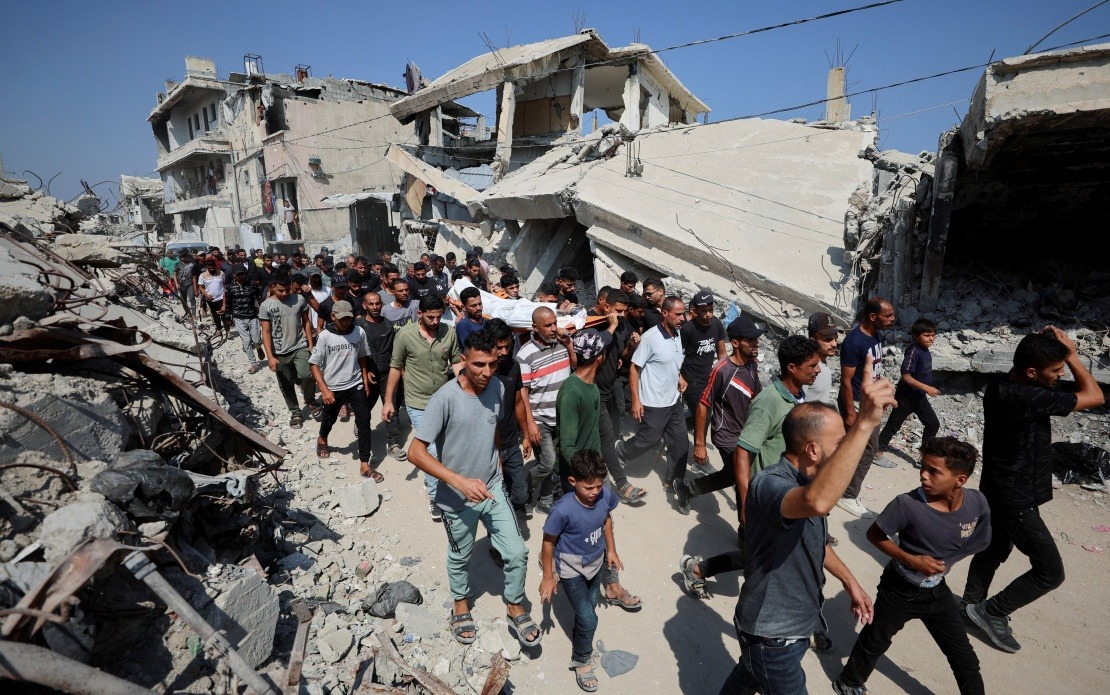
Among the documented cases cited by MSF, a November 2023 assault on one of its convoys resulted in the deaths of two family members connected to staff workers. One victim, Alaa Al Shawa, was himself a volunteer assisting MSF medical teams at Al-Shifa Hospital. This incident exemplifies how attacks have affected not only direct staff but also extended family networks attempting to support humanitarian operations. A second incident occurred in February 2024, when an MSF shelter in Khan Younis came under attack, killing the wife and daughter-in-law of an MSF staff member while injuring six additional people, predominantly women and children. These cases illustrate the broader impact of armed conflict on civilian populations and humanitarian workers' extended support networks.
The broader casualty toll among MSF personnel reflects the dangerous environment humanitarian workers face across Gaza. Since October 2023, the organisation has lost 15 staff members to Israeli military operations, representing a significant proportion of the approximately 1,700 healthcare workers killed during the same period according to available records. For Malaysian readers observing international humanitarian crises, this casualty rate among medical professionals underscores how conflict actively disrupts essential healthcare infrastructure and devastates the practitioners attempting to maintain it.
MSF's statement carries particular significance for regional observers of international accountability mechanisms. The organisation directly challenged the notion that internal military reviews can substitute for genuinely independent and impartial investigations. It called for an external investigative body to reassess cases involving its personnel, arguing that the closure of investigations demonstrates an absence of credible accountability mechanisms within Israeli legal structures. This position reflects growing international frustration with military self-investigation systems that critics argue lack the independence necessary for credible justice.
The group's characterisation of events as potentially constituting genocide aligns with broader contentions from Palestinian authorities and various international observers regarding Israel's conduct in Gaza. However, this framing remains contested internationally, with different states and institutions reaching divergent conclusions about whether actions constitute genocide under international law. For Southeast Asian countries navigating complex relationships with regional and global powers, such definitional disputes highlight the challenges of establishing consensus on accountability for large-scale civilian casualties.
MSF explicitly rejected justifications based on military necessity, asserting that no strategic objective can legitimately require the indiscriminate harm of civilian populations. This principle reflects established international humanitarian law frameworks that require parties to distinguish between combatants and civilians and to proportionately assess harm to non-combatants. The organisation's stance emphasises that even operational challenges cannot override fundamental protections that international agreements mandate for medical workers and healthcare facilities.
According to Gaza's Health Ministry, the casualty toll from the conflict since October 2023 stands at 73,417 deaths with 174,360 additional injuries as of the reporting period. The ministry also reported 10 Palestinians killed and 25 injured over a twenty-four-hour span preceding the statement. Additionally, violations of ceasefire agreements have allegedly resulted in 1,283 further Palestinian deaths and 4,248 injuries, indicating continued violence despite temporary agreements intended to pause fighting and allow humanitarian access. These figures, though contested by various parties, reflect the severe humanitarian impact of the prolonged conflict on Gaza's civilian population.
For Malaysian and broader Southeast Asian readers, MSF's statement raises important considerations about humanitarian access and protection during regional conflicts. The closure of investigations without criminal processes demonstrates potential vulnerabilities in existing accountability frameworks that might apply to conflicts in Southeast Asia or involving Southeast Asian parties. The case also illustrates how humanitarian organisations operating in conflict zones navigate the tension between maintaining neutrality necessary for operational access and publicly criticising the actions of militarily powerful actors they depend upon for safe passage and cooperation.

