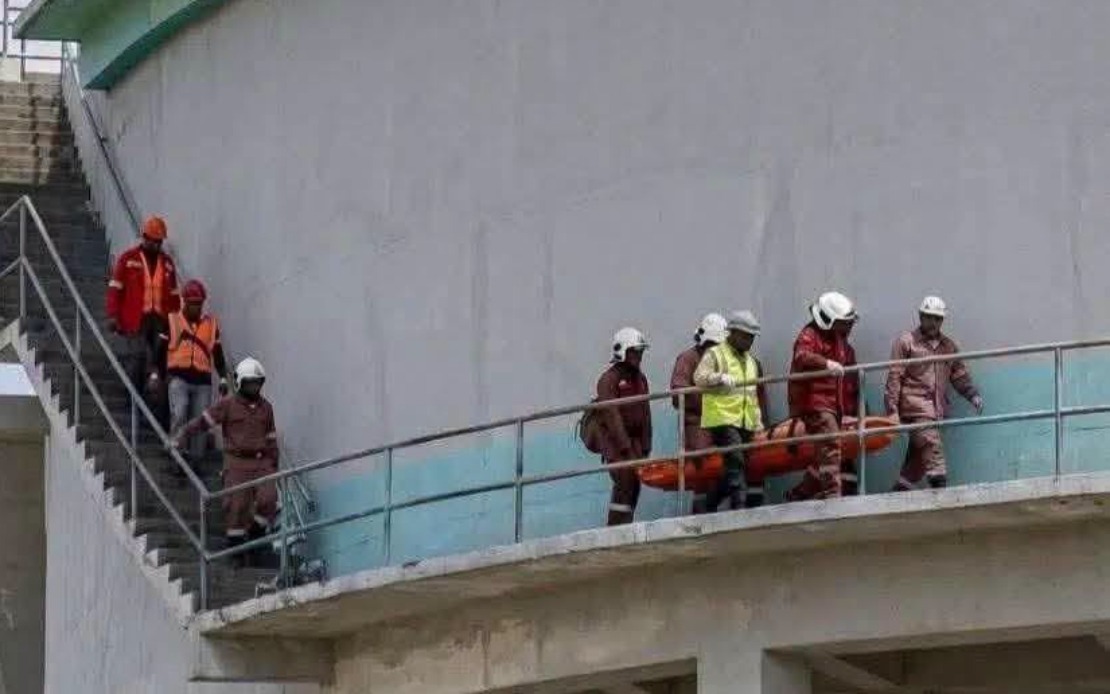
The Department of Occupational Safety and Health (DOSH) has launched a formal investigation into a fatal workplace incident that claimed the life of an industrial trainee at Menara Saujana Perdana 1 in Sungai Buloh, Selangor, on June 16. DOSH director-general Hazlina Yon confirmed that the department's Selangor office has completed an initial site inspection and implemented measures to preserve evidence, including prohibiting unauthorised access to the accident location.
The incident underscores persistent gaps in workplace safety compliance within Malaysia's industrial sector, particularly regarding confined space operations. Water tank cleaning represents one of the highest-risk categories of work performed in Malaysia, combining multiple hazard exposures including oxygen depletion, toxic gas accumulation, and physical entrapment. The death of an industrial trainee—typically a younger worker with limited experience—points to possible failures in supervision and hazard briefing protocols that should precede such dangerous work.
Hazlina stated that investigators are currently gathering testimonies from witnesses present at the scene and conducting a comprehensive technical review of the accident circumstances. The inquiry will be conducted under Sections 15, 17 and 18 of the Occupational Safety and Health Act 1994, which establish legally binding obligations for employers, self-employed contractors, and other parties to maintain safe working conditions and protect the physical and mental wellbeing of employees and anyone else potentially affected by workplace activities. Should the investigation reveal contraventions of occupational safety legislation, DOSH has indicated it will pursue appropriate enforcement measures, which could include financial penalties or criminal charges against responsible parties.
The timing of this fatality coincides with increased construction and facility maintenance activity across the Klang Valley region, where such confined space work is frequently subcontracted to smaller operators with variable safety standards. The involvement of an industrial trainee raises particular concerns about whether adequate supervision and competency-based training was provided before the worker was exposed to hazardous confined space entry procedures. Malaysian workplaces have experienced recurring fatalities in confined space environments, suggesting systemic issues with hazard recognition and control implementation across different industries and company sizes.
Hazlina issued a pointed reminder to the broader Malaysian business community that all high-risk work must be preceded by thorough risk identification and assessment procedures tailored to specific site conditions. Employers operating in sectors involving confined spaces—including water treatment, industrial maintenance, underground infrastructure, and storage tank operations—are legally obligated to develop and implement written safe work method statements that document specific hazards, required control measures, emergency procedures, and worker competency requirements. The regulations are explicit that work permits must be obtained and documented before any personnel are authorised to enter confined spaces, establishing a administrative safeguard against unauthorised or inadequately planned entry.
Training and supervision emerged as a central theme in Hazlina's statement, reflecting DOSH's assessment that inadequate worker preparation may have contributed to this incident. Employers must ensure that industrial trainees and newly hired personnel receive comprehensive occupational safety and health instruction specific to the tasks they will perform, including detailed briefing on hazards associated with confined space work. This instruction should cover recognition of atmospheric hazards, proper use of personal protective equipment and respiratory protection, emergency rescue procedures, and the importance of strictly adhering to established work protocols. Supervision by competent persons—individuals with appropriate qualifications and experience—must remain continuous whenever trainees or less-experienced workers are engaged in high-risk activities.
The case has implications for Malaysia's broader occupational safety culture, where compliance with DOSH regulations remains inconsistently enforced across the construction and industrial maintenance sectors. Smaller companies and subcontractors, which frequently undertake confined space work, often lack dedicated safety personnel and may prioritise schedule adherence over hazard control. The involvement of an industrial trainee suggests the workplace lacked adequate safeguards specific to worker development and mentoring, pointing to regulatory gaps in how Malaysia monitors the safety of apprentices and trainees across different industries and company types.
For Malaysian workers and their representatives, this incident reinforces the critical importance of refusing to enter confined spaces without proper preparation and without independent verification that all required safety measures are operational. Workers possess legal rights under occupational safety legislation to decline work that poses imminent danger to health and to report unsafe conditions to DOSH without fear of retaliation. The trainee's death represents a preventable loss that underscores the real consequences of cutting corners on safety procedures, even when facing pressure to complete work quickly.
Hazlina's statement included an implicit criticism of employer attitudes toward workplace safety, emphasising that organisations must prioritise the health and welfare of all individuals involved in work activities, encompassing not only direct employees but also contractors, subcontractors, and vendors. This principle becomes especially critical in outsourced maintenance and cleaning operations, where responsibility for safety can become diffused between multiple parties. Employers engaged subcontractors for water tank and confined space work must retain ultimate accountability for ensuring safety standards are met, regardless of contractual arrangements.
As investigations proceed, the findings will likely inform DOSH enforcement priorities and potentially prompt regulatory guidance updates addressing confined space work procedures. Previous fatalities in similar circumstances have occasionally led to prosecution of employers or site supervisors under the Occupational Safety and Health Act, and criminal charges can carry imprisonment terms up to ten years in Malaysia. The forthcoming investigation report may also influence industry standards and training requirements for confined space work certification, with potential implications for facility maintenance practices across Malaysia's commercial and industrial sectors.

