A 16-year-old female student has died at a school in Rembau, Negeri Sembilan, prompting Education Minister Fadhlina Sidek to issue an urgent call for public restraint and sensitivity towards the bereaved family. The incident, which occurred on Wednesday morning, has triggered both police and ministry-led investigations into the circumstances surrounding the death, with authorities prioritising a thorough and impartial examination of the facts.
Fadhlina's public statement came hours after receiving notification of the tragedy, emphasising that the immediate focus must shift away from public speculation and media scrutiny towards providing the family with the space they require during this profound period of grief. She conveyed her condolences through a Facebook post, expressing her hope that the deceased student's soul would be blessed and her family granted the strength needed to navigate such an extraordinarily difficult loss. The minister's intervention reflects growing concern about how such incidents are handled in the public sphere, particularly given Malaysia's interconnected social media landscape where sensitive matters can quickly become subjects of widespread commentary and conjecture.
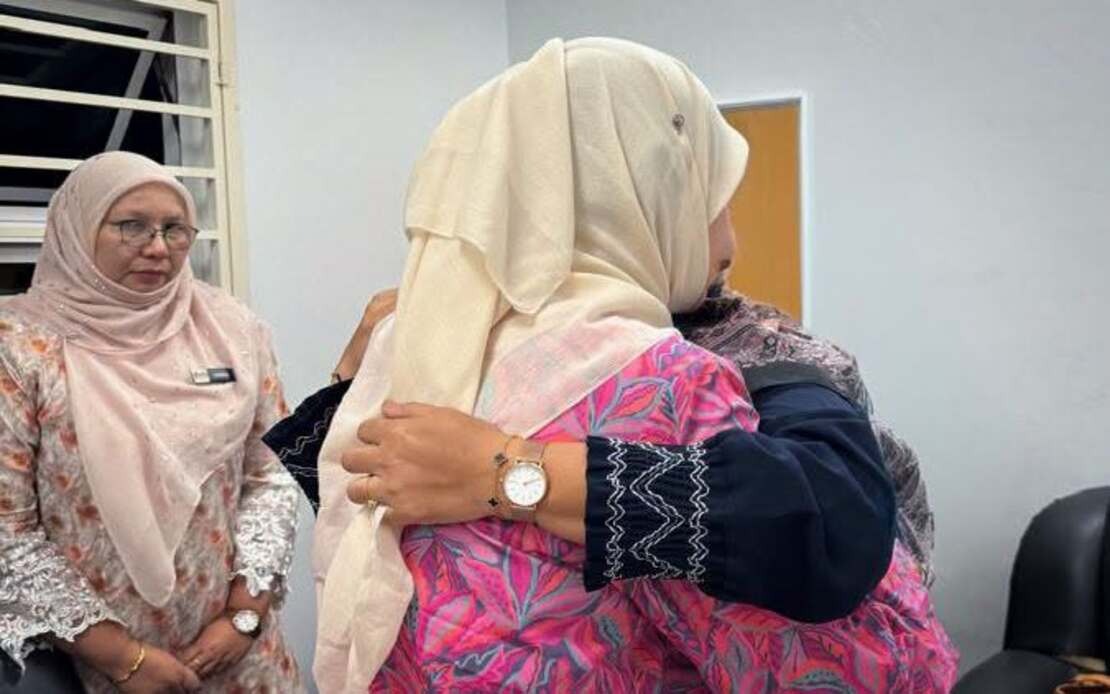
In a demonstration of institutional engagement, both Fadhlina and Education Director-General Datuk Dr Mohd Azam Ahmad made a personal visit to the student's family at Rembau Hospital to offer direct support and reassurance. This hands-on approach signals the Ministry of Education's commitment to standing alongside affected families rather than maintaining distance during crises. The hospital visit, coupled with the public statement, underscores the ministry's recognition that how authorities respond to such tragedies matters significantly to public trust and to the family's ability to process their loss without additional burden.
The police investigation into the death is proceeding concurrently, with the ministry pledging complete cooperation throughout the process. In Malaysia, when deaths occur on school premises involving minors, authorities typically examine all contributing factors including medical history, environmental conditions, and any potential involvement of third parties. The absence of initial details about the nature or cause of death reflects standard investigative protocol designed to prevent premature conclusions that could mislead the public or compromise the integrity of the inquiry.
Fadhlina's appeal for public discretion carries particular resonance in the context of Malaysia's education sector, where student welfare and institutional reputation intersect with legitimate public interest. Schools remain environments where parents entrust their children's safety and wellbeing to institutional frameworks and staff members. Any incident resulting in student death naturally raises questions about safety protocols, emergency response procedures, and broader duty-of-care obligations. However, the minister's intervention suggests that such questions are best addressed through formal investigation channels rather than through immediate public judgment or speculation.
The timing of this incident comes as Malaysian schools continue their recovery from disruptions caused by the COVID-19 pandemic, during which students experienced extended periods of remote learning and reduced social interaction. Mental health experts and education stakeholders have noted that the return to full in-school activities has involved adjustments for adolescents, some of whom may be managing undiagnosed or unaddressed psychological challenges. While this context does not determine the cause of the current incident, it highlights why investigators must proceed methodically and why premature public narratives could prove harmful.
The incident also raises broader considerations about school safety infrastructure and crisis management protocols across Malaysian educational institutions. While Malaysia's schools generally maintain adequate physical security and health facilities, questions about preventive mental health support, trained counselling staff availability, and emergency medical response procedures are increasingly relevant to institutional governance. The investigation into this specific case may yield findings that inform improvements to such systems across the sector.
For the school community directly affected—including fellow students, teaching staff, and administrative personnel—the immediate priority involves providing psychological support and processing the collective trauma of losing a member of their institutional family. Many schools maintain relationships with counselling services and crisis management specialists who can facilitate such support. The presence of ministry-level engagement, rather than only local school administration, may help ensure adequate resources are mobilised for this community recovery.
The minister's statement also serves a regulatory function, signalling to media outlets, social media users, and the broader public that responsible communication around sensitive matters is expected and valued. In an era where misinformation spreads rapidly and where tragedy can become fodder for engagement metrics, institutional figures addressing such incidents serve as counterweights to sensationalism and conjecture. Fadhlina's appeal essentially frames the family's privacy not as a preference but as a fundamental requirement aligned with Islamic values of compassion and dignity that resonate across Malaysian society.
As the investigation proceeds, the ministry's coordination with police will likely involve examining school safety records, health and medical facilities, staff training certifications, and compliance with emergency protocols. Such administrative aspects, while unglamorous, form the backbone of determining whether institutional failure contributed to the incident or whether it represents an unexpected tragedy despite adequate preventive measures. Findings from this investigation may eventually inform sector-wide policy adjustments affecting student welfare across Malaysian schools.
The incident serves as a sobering reminder that adolescent mortality, whether from sudden medical events, accidents, or other causes, remains a reality despite modern healthcare and safety systems. Malaysian parents and educators grapple with the profound vulnerability inherent in caring for young people, even within institutional settings designed with their protection in mind. How communities respond to such tragedies—with compassion, restraint, and focus on prevention rather than blame—significantly influences their capacity to support affected families and to strengthen systems preventing future incidents.

