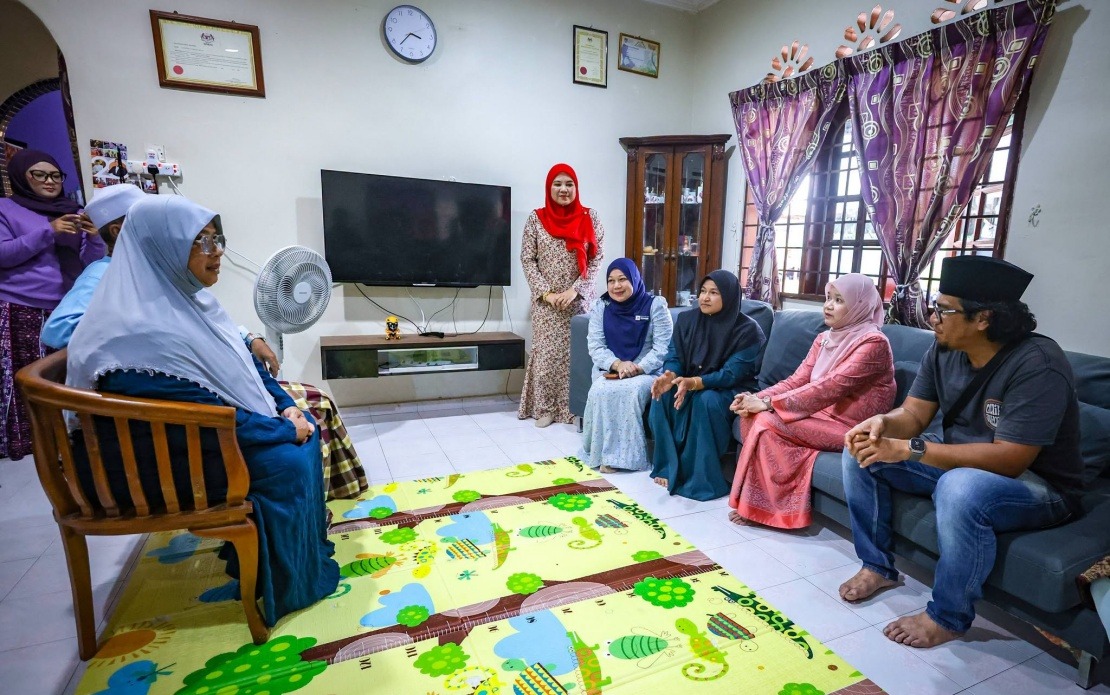
Education Minister Fadhlina Sidek made a compassionate visit to the grieving family of Muhammad Raiyan Nufael, a Form Two student whose unexpected death during rugby training has raised urgent questions about student safety protocols in Malaysian schools. The visit, conducted in Melaka on behalf of the Ministry of Education, underscores the serious concerns surrounding the incident that unfolded at a school in Telok Mas on Wednesday evening, where the 14-year-old collapsed and subsequently died.
In her Facebook announcement, Fadhlina expressed the ministry's deepest condolences while offering prayers for the teenager's soul and comfort for the grieving parents. The formal visit signals the government's acknowledgment of the tragedy and its commitment to supporting the affected family during this difficult period. Such ministerial engagement, while not uncommon in high-profile incidents, reflects the gravity with which the education authorities are treating the matter and the broader implications for school safety across the nation.
The circumstances surrounding Muhammad Raiyan's death paint a concerning picture of what transpired during the training session. The teenager had only been engaged in rugby activities for approximately fifteen minutes before the fatal incident occurred. According to accounts of the event, he experienced sudden respiratory distress while standing and listening to instructional remarks from the coaching staff during a designated training break. This compressed timeframe has raised critical questions about the intensity of the training programme, the physical condition assessment of participating students, and whether appropriate medical oversight was present during the session.
The incident has thrust the issue of student athlete safety into the spotlight, particularly regarding extracurricular sports activities in Malaysian secondary schools. Rugby, while an important sport in the Malaysian educational landscape, requires rigorous safety standards and proper medical preparedness. Schools must ensure that coaching staff are trained in recognising signs of physical distress and that emergency medical services can respond promptly. The case of Muhammad Raiyan highlights potential gaps in these systems that demand urgent attention from school administrators nationwide.
Parental concerns about student participation in contact sports will likely intensify following this tragedy. Families will increasingly scrutinise whether schools have implemented comprehensive health screening protocols for students engaging in demanding physical activities. The Ministry of Education faces mounting pressure to review and potentially strengthen guidelines governing sports training sessions, particularly for younger students whose bodies are still developing. Clear protocols distinguishing between normal fatigue and warning signs of serious medical emergencies must be established and rigorously enforced.
The investigation into the precise medical cause of Muhammad Raiyan's death remains ongoing, though initial reports suggest cardiovascular or respiratory complications triggered during or shortly after physical exertion. While awaiting autopsy findings and expert medical analysis, the case serves as a stark reminder that sudden cardiac or respiratory events can strike seemingly healthy young individuals with little warning. This reality necessitates that schools maintain accessible defibrillators and ensure trained personnel are stationed at all athletic facilities during training and competition.
Beyond the immediate circumstances of this specific incident, the tragedy raises systemic questions about how Malaysian schools balance the benefits of competitive sports programmes with the imperative to protect student welfare. Coaches and physical education teachers require ongoing training in sports medicine, heat illness management, and emergency response procedures. Additionally, schools should establish clear communication channels with parents regarding the risks associated with high-intensity training and the medical safeguards in place to mitigate those risks.
The impact of this incident will likely resonate throughout Malaysian educational institutions, prompting administrators to reassess their sports safety frameworks. Insurance providers and education authorities may impose stricter requirements for sports programmes, including mandatory medical clearances, qualified medical personnel on-site during training, and revised intensity guidelines for younger athletes. While such measures may seem burdensome, they represent a necessary investment in student protection and institutional accountability.
From a broader perspective, this tragedy highlights the precarious position of student athletes who are expected to push their physical limits in pursuit of athletic excellence and school pride. The balance between encouraging healthy physical development and preventing avoidable tragedies remains delicate. Malaysian schools must demonstrate that they take student safety as seriously as they take sporting achievement, ensuring that no young person's participation in sports comes at the cost of their wellbeing.
The Ministry of Education, under Fadhlina's leadership, faces significant expectations to translate this visible expression of concern into concrete policy changes and safety improvements. Stakeholders—including parents, educators, sports administrators, and medical professionals—will be watching closely to see what systemic reforms emerge from this heartbreaking incident. Muhammad Raiyan's memory can serve as a catalyst for overdue improvements in how Malaysian schools approach student athlete safety.
As the investigation progresses and the family grieves their loss, the broader question of accountability remains. Schools must ensure that tragedy investigations lead not merely to isolated corrective actions but to comprehensive reviews of practices across all educational institutions. The death of one young student must serve as a turning point for how Malaysia prioritises student protection in its pursuit of sporting excellence.

