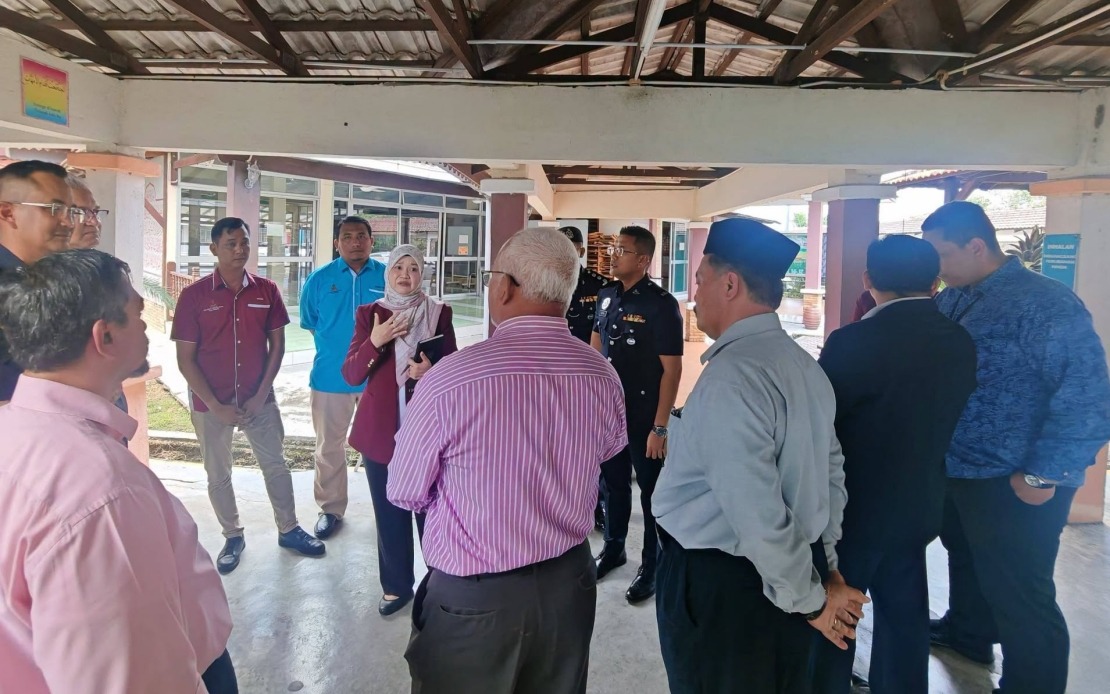
Education Minister Fadhlina Sidek travelled to a secondary school in Banting, Kuala Langat, on July 6 to assess the situation after a Form Three student was stabbed in an incident that morning. The minister's presence underscored the gravity of the attack and the government's commitment to addressing school safety concerns in the wake of the violence. She arrived at the institution at 1.20 pm and spent time with the school's management team to gather details about what had transpired and the institutional response in the immediate aftermath.
The stabbing incident was reported to police at 9.50 am, and preliminary investigations revealed that the victim, a female student, had been attacked with a knife by another female student at the school. The swift police response resulted in the rapid apprehension of the suspect, who was taken into custody to assist with ongoing inquiries. By the time the education minister arrived, the immediate situation had been contained and secured by law enforcement personnel, allowing her to focus on the school's recovery and support mechanisms.
Fadhlina emphasised that the wellbeing of all those affected remained the foremost concern. In a statement released through social media, she stressed that the injured student must receive comprehensive medical care and that the school community—both students and staff members—should have access to psychological support to process the traumatic event. Her remarks reflected broader concerns about mental health in schools, particularly in the aftermath of violent incidents that can leave lasting emotional scars on young people and educators alike.
The minister also made a pointed appeal to the public to exercise restraint in the information sphere. She urged people not to spread unverified claims or create rumours while the police investigation was ongoing, recognising that misinformation in sensitive situations can exacerbate community anxiety and hinder official inquiries. This appeal highlighted tensions between rapid information dissemination through social media and the need for accurate, authoritative communication during crises affecting schools.
Selangor's Human Resources and Poverty Eradication Committee chairman, V. Paparaidu, who represents the Banting constituency as the local assemblyman, commended the State Education Department's rapid deployment of psychological and counselling services. These services extended to the stabbed student, her family members, and other affected pupils, demonstrating a coordinated approach to trauma management at both district and state levels. The provision of such support reflects Malaysia's recognition that school incidents require holistic intervention beyond merely addressing physical injuries.
Pararaidu took the opportunity to reinforce calls for heightened security protocols within schools. He argued that security personnel must maintain constant vigilance, particularly during periods when students are arriving at or departing from campus—times when the school grounds experience the most foot traffic and when unauthorised individuals might attempt to gain access. The assemblyman stressed that tightened gatekeeping and improved monitoring systems are essential safeguards against future threats to student safety.
The stabbing incident highlights an ongoing challenge facing Malaysian schools: the intersection of adolescent violence, access to weapons, and institutional security. While such incidents remain statistically uncommon, their occurrence provokes significant public concern and demands serious policy reconsideration. Schools are traditionally conceived as sanctuaries where children can pursue education without fear, yet episodes of inter-student violence reveal vulnerabilities in the current security framework and the unpredictability of behavioural threats emanating from within the student body itself.
The victim's condition at Banting Hospital was reported as stable, suggesting that while the attack was serious enough to warrant emergency hospitalisation, it did not result in life-threatening injuries. This outcome, while relieving, does not diminish the severity of the assault or the need for a thorough investigation into the motivations and circumstances that led one student to attack another with a weapon. Understanding the chain of events is crucial for preventing similar incidents.
The police-led investigation will likely examine questions of weapon possession within the school premises, the relationship between the perpetrator and victim, and any preceding incidents or tensions that might have contributed to the violence. Such investigations typically explore whether bullying, personal conflicts, or external pressures played a role, information that could inform preventative measures and counselling strategies moving forward.
This incident comes at a time when Malaysian educators and policymakers are grappling with broader questions about school safety in an age of social media-driven conflicts and increased youth volatility. The response from government officials suggests a commitment to balancing swift security interventions with compassionate support for affected individuals. However, the underlying questions about how schools can simultaneously maintain open, welcoming environments while implementing robust security measures remain unresolved and will likely feature in ongoing discussions about educational policy and institutional safety protocols.

