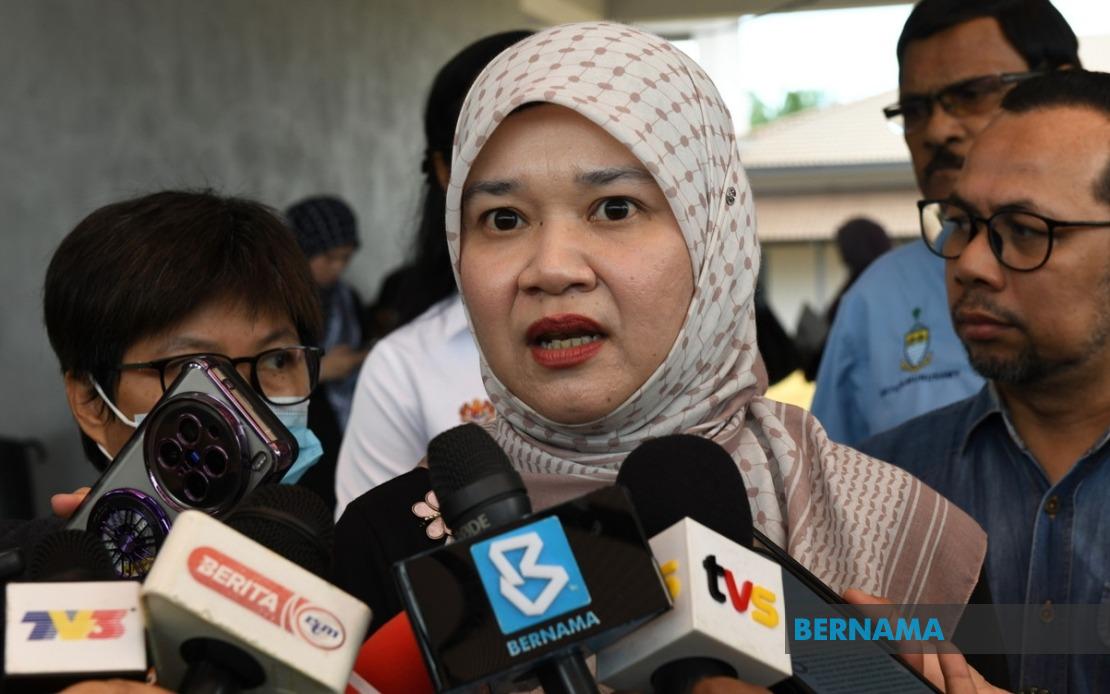
Education Minister Fadhlina Sidek has ordered the Schools Inspectorate, District Education Office and Federal Territory of Kuala Lumpur Education Department to complete an internal investigation into allegations of bullying and discrimination at a school in the capital with the utmost urgency. The directive signals the ministry's commitment to addressing what has become an increasingly sensitive issue in Malaysian educational institutions, particularly given the tragic circumstances that prompted the review.
The investigation was initiated following the recent death of a school student in Kuala Lumpur, a development that has prompted widespread concern among parents, educators and civil society groups about the safety and welfare of children in the education system. The case has reignited broader conversations about the prevalence of bullying, harassment and discriminatory practices in schools across the country, issues that have long troubled education authorities and child welfare advocates.
In her statement, Sidek acknowledged that matters touching on public welfare, especially those involving allegations of bullying and racial discrimination, demand immediate and thorough attention grounded in factual evidence and proper procedure. This measured approach reflects the ministry's recognition that such investigations require both sensitivity and rigour to ensure justice while maintaining the integrity of the process.
The Education Ministry has mobilised multiple agencies to ensure comprehensive support for those affected by the incident. The police investigation is proceeding with full cooperation from MOE officials, while coordination with the Social Welfare Department and Ministry of Health underscores the multi-faceted nature of the response. This inter-agency approach acknowledges that addressing alleged bullying goes beyond educational administration and requires coordinated intervention across social services, healthcare and law enforcement.
Attention to the psychological and emotional needs of those affected forms a critical component of the ministry's response strategy. The family of the deceased student has been furnished with psychosocial support services through MOE's dedicated counselling team, recognising that families navigating such tragedy require professional assistance to process grief and trauma.
Teachers and school staff have been briefed on both the investigation's progress and the legal processes underway, ensuring that educators understand the seriousness of the situation while maintaining their own professional standing. The ministry has also emphasised that the welfare and well-being of teaching personnel remain priorities, acknowledging that school staff are often secondary victims in incidents of this nature, bearing witness to tragedies within their communities.
Students across the affected school have been identified as vulnerable parties requiring urgent psychological intervention. The MOE Smart Support Team has been deployed to deliver targeted psychosocial support and crisis intervention services, with the explicit goal of protecting students' emotional well-being during what is inevitably a tumultuous period for the school community.
The broader imperative driving this response reflects a fundamental shift in Malaysian educational policy toward viewing student safety and protection from bullying as non-negotiable elements of school administration. Sidek's public statements emphasise that ensuring justice for all parties implicated in the incident remains paramount, alongside implementing concrete measures to eliminate bullying and discriminatory behaviour from educational environments.
This case arrives at a moment of heightened awareness regarding school safety in Malaysia. Parents increasingly demand greater transparency and accountability from schools regarding how allegations are investigated and what preventive measures are implemented. The government's visible mobilisation of resources and public commitment to swift investigation may be partly intended to restore public confidence in the education system's capacity to protect students.
The investigation's scope potentially extends beyond the immediate incident to examine whether systemic failures within the school or broader education administration contributed to the situation. Such institutional reviews are essential for identifying procedural gaps and implementing preventive measures that could protect other students from similar experiences.
The case also highlights ongoing tensions within Malaysian schools regarding racial and ethnic dynamics. References to racial elements in the investigation suggest that alleged discrimination may have intersected with bullying behaviour, a combination that authorities recognise as particularly damaging and worthy of dedicated scrutiny.
Moving forward, the outcomes of this investigation will likely influence how Malaysian schools approach bullying prevention, complaint mechanisms and safeguarding procedures. The case may become a catalyst for reviewing national anti-bullying policies and ensuring that schools possess adequate resources and training to respond effectively to reports of harassment and discrimination.
For Malaysian parents and education stakeholders, this incident underscores the importance of maintaining vigilance regarding children's school experiences and advocating for institutional accountability when concerns arise. The ministry's response, while reassuring in its comprehensiveness, also serves as a reminder that proactive prevention and early intervention remain superior to crisis management after tragedy has already occurred.

