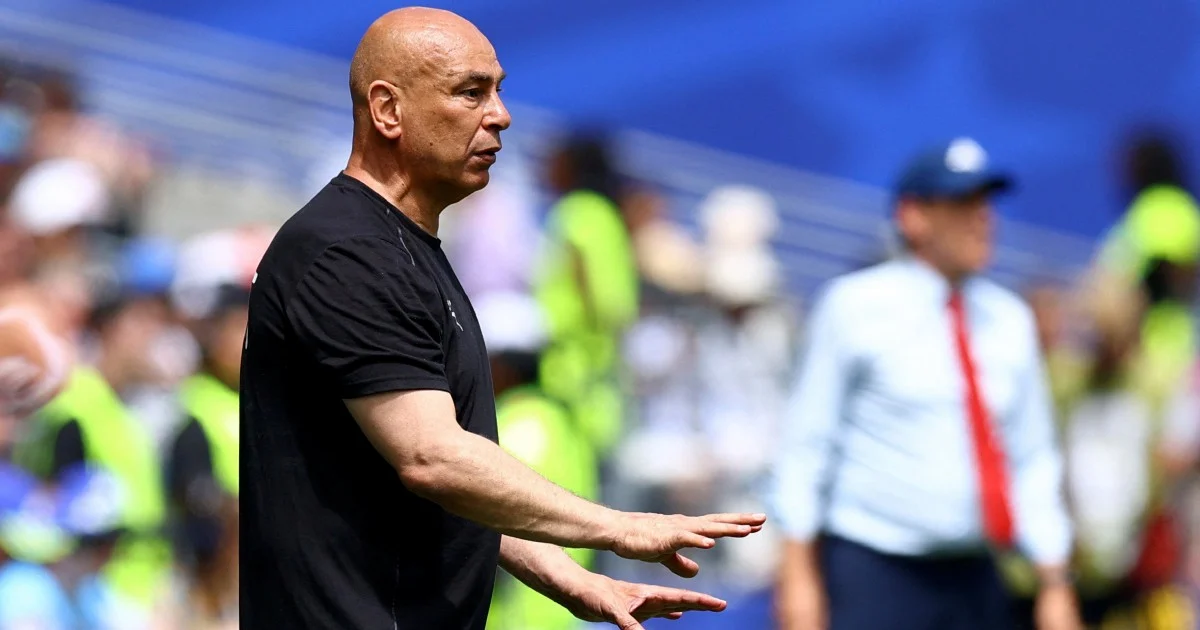
Egypt's coach Hossam Hassan moved quickly to quell mounting speculation about friction within the national squad, particularly involving the country's most recognisable footballer Mohamed Salah, as the Pharaohs gear up for what could prove a decisive World Cup Group G fixture. Speaking ahead of Sunday's encounter with New Zealand at BC Place in Vancouver, Hassan sought to reassure supporters and media that internal cohesion remains intact despite the swirling rumours that have circulated in recent days.
The timing of Hassan's comments reflects the growing intensity surrounding Egypt's campaign in Canada. Group G represents a challenging pool for the North African nation, and every match carries considerable weight in determining their progression prospects. By addressing potential discord head-on, Hassan signalled his intent to maintain focus on the field rather than allow external narratives to distract his players during this critical phase of the tournament.
Mohamed Salah's prominence in Egyptian football cannot be overstated. The Liverpool forward's status transcends sport, making him a figure of national significance whose performance and demeanour carry symbolic weight beyond statistics. Any suggestion of tension involving him immediately triggers speculation about squad dynamics, team morale, and ultimately the unit's capacity to perform under pressure. Hassan's categorical denial was therefore not merely a routine media management exercise but a necessary intervention to protect the psychological environment around the team.
The Group G landscape presents genuine complexity for Egypt. Their opponents, particularly New Zealand, represent threats that cannot be dismissed lightly. In World Cup competition, even traditionally less-fancied opponents can capitalise on small lapses or internal distractions. Hassan's emphasis on internal unity speaks to an understanding that squad cohesion forms the foundation upon which tactical proficiency is built. Without trust and harmony among the playing group, even technically gifted sides struggle to translate individual talent into collective effectiveness.
From a Southeast Asian perspective, Egypt's trajectory holds particular interest. The nation represents African football at a significant level, and their progression or exit carries implications for the broader continental representation in the tournament. Malaysian and regional supporters with Pan-African interests frequently follow Egypt's campaigns closely. Furthermore, the Pharaohs' performance offers a prism through which to examine how nations from emerging football markets manage the immense pressures of World Cup football, challenges that resonate across the developing world.
Salah's role in Egypt's system cannot be understated strategically. His attacking prowess and creative capabilities often form the nucleus around which Hassan structures tactical approaches. Any genuine rifts could fracture the team's offensive framework, making Hassan's reassurances about squad harmony directly relevant to Egypt's tactical prospects. By emphasising cohesion, the coach implicitly protected his own strategic planning, ensuring that questioning about Salah's contribution would not undermine confidence in the overall approach.
The pressure environment surrounding international football inevitably generates friction points. Long periods away from clubs, intense media scrutiny, and the heightened emotions of World Cup football create conditions where misunderstandings can metastasise into perceived conflicts. Hassan's proactive stance in addressing speculation before it calcified into broader perception demonstrated managerial experience. Experienced coaches recognise that perceived problems often become actual problems if left unaddressed, making his intervention a necessary precaution rather than evidence of serious underlying issues.
New Zealand presents a relatively unfamiliar challenge for Egypt. The Oceanian representative brings different tactical traditions and atmospheric conditions that could prove unsettling for teams accustomed to African and Middle Eastern football contexts. Hassan's need to maintain squad focus becomes even more pronounced when facing such novel opponents. A squad fractured by internal discord would struggle particularly against teams employing unfamiliar approaches, making the coach's emphasis on unity tactically astute alongside its morale benefits.
Looking forward, Egypt's journey through this World Cup will partly depend on how effectively Hassan maintains the psychological environment he has now publicly committed to preserving. His denial of Salah-related unrest represents a clear statement about the standards he expects from his squad and his determination to create conditions where talent can flourish. Should Egypt progress through Group G, much of the credit will belong to their ability to maintain the internal harmony Hassan has now explicitly prioritised.
The stakes involved in Sunday's match extend beyond mere points accumulation. For Egypt, establishing credibility through a commanding performance would validate Hassan's vision and quieten any doubters. For regional observers, watching how a proudly traditional football nation navigates modern World Cup pressures—where squad management, psychology, and public relations form integral components alongside tactical execution—provides valuable insights into contemporary football at the international level.

