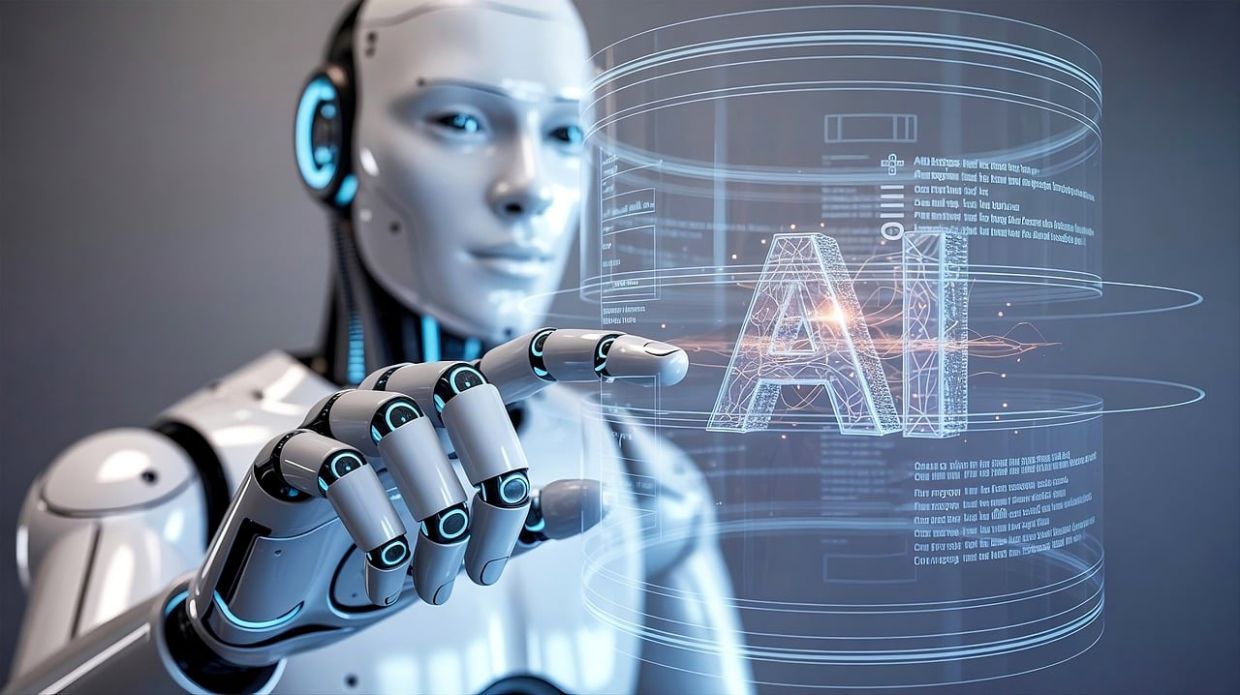
Estonia is charting unprecedented regulatory territory by announcing plans to issue personal identification numbers to artificial intelligence assistants, effectively conferring legal standing on autonomous systems. This pioneering approach would make the Baltic nation the first in the world to formally recognize AI bots as entities capable of bearing rights and responsibilities within a legal framework. Prime Minister Kristen Michal outlined the ambition on social media, framing it as part of Estonia's broader vision to establish international standards for artificial intelligence governance as the technology expands rapidly across societies and economies.
The legal innovation addresses a critical gap in existing governance structures. As AI systems increasingly perform consequential actions—from financial transactions to administrative decisions—determining accountability has become genuinely thorny. By assigning unique identifiers to individual AI assistants, Estonia proposes to create a transparent audit trail linking specific autonomous decisions to identifiable entities. This approach could clarify liability questions that currently confound policymakers globally: when an AI system causes harm or violates regulations, should responsibility rest with the developer, the deploying organization, the user, or the system itself? Estonia's framework suggests a novel answer by treating the AI as a quasi-legal actor.
The initiative builds naturally on Estonia's existing digital infrastructure, which has become a hallmark of the nation's governance model. The country of 1.3 million inhabitants has constructed one of the world's most comprehensive digital public administration systems, where citizens routinely use digital identification to marry, schedule medical appointments, and execute legal documents. This paperless ecosystem has eliminated queuing and bureaucratic friction that characterizes government service delivery elsewhere. By extending this established ID framework to artificial systems, Estonia leverages institutional experience and public familiarity with digital identity rather than inventing wholly new mechanisms.
Beyond government operations, Estonia has monetized its digital expertise through its e-residency programme, which grants digital citizenship to international entrepreneurs and businesses seeking to establish companies within Estonia's digital economy. This initiative generates millions in annual tax revenue for the state while positioning Estonia as a technology leader globally. The AI identification scheme will integrate with this existing structure, potentially offering e-residents and global businesses new tools for deploying compliant AI systems. This expansion could strengthen Estonia's position as a preferred jurisdiction for innovative technology ventures and create competitive advantages for Estonian digital service providers.
Estonia's commitment to artificial intelligence extends throughout its public institutions. The government has embedded AI chatbots into schools across the country through partnerships with prominent technology firms including OpenAI, effectively making AI tutoring a component of mainstream education infrastructure. This widespread deployment creates practical testing grounds for understanding how AI systems perform in real-world settings and generate evidence for policy refinement. Students and educators using these systems daily will accumulate experience that informs how the legal framework should evolve.
The prime minister's personal engagement with artificial intelligence demonstrates political commitment to the initiative. Michal established a dedicated advisory council on artificial intelligence composed of prominent technology entrepreneurs, including the chief executive of Bolt Technology OU, the ride-hailing company that originated in Estonia. This council provides strategic guidance on aligning policy with technological realities and industry practice. Recently, Michal underwent training in what practitioners term vibe coding and constructed a "PM Cockpit" using Anthropic's Claude agent, aggregating essential government priorities. Such hands-on experience suggests leadership that grasps the possibilities and constraints of AI systems rather than approaching governance theoretically.
For Southeast Asian countries observing global developments in AI regulation, Estonia's approach offers both a template and a cautionary case study. The region hosts rapidly growing AI sectors across Singapore, Vietnam, and Indonesia, yet regulatory frameworks remain underdeveloped. Estonia's willingness to experiment with formal legal recognition of AI assistants suggests that smaller, digitally sophisticated nations can move faster than large economies burdened by legacy systems and bureaucratic inertia. However, the framework's ultimate success depends on international adoption—a single nation's legal recognition of AI entities carries limited practical significance if other jurisdictions refuse similar recognition.
The timing of Estonia's announcement reflects intensifying global pressure to establish AI governance standards before autonomous systems proliferate beyond meaningful regulatory oversight. The European Union is advancing its AI Act, while individual nations formulate domestic approaches. Estonia's proposal to formalize AI legal status through identification numbers represents a more specific intervention than broader regulatory schemes. Rather than restricting AI capabilities or imposing compliance burdens, the identification approach seeks to clarify accountability and create governance infrastructure compatible with AI deployment.
Implementation details remain undefined, with Michal declining to specify program launch timing. Key questions remain unresolved: Will AI systems require permission from humans to activate their legal status, or do they receive IDs automatically upon registration? Will the system apply to all AI assistants or only those deployed within Estonia's jurisdiction? How will cross-border AI operations be handled, particularly regarding e-residents using AI from foreign locations? How will the framework account for autonomous systems that improve continuously through machine learning—does the legal identity remain constant as the underlying system evolves? These practical details will determine whether Estonia's vision becomes a globally influential model or remains a regional experiment with limited applicability.

