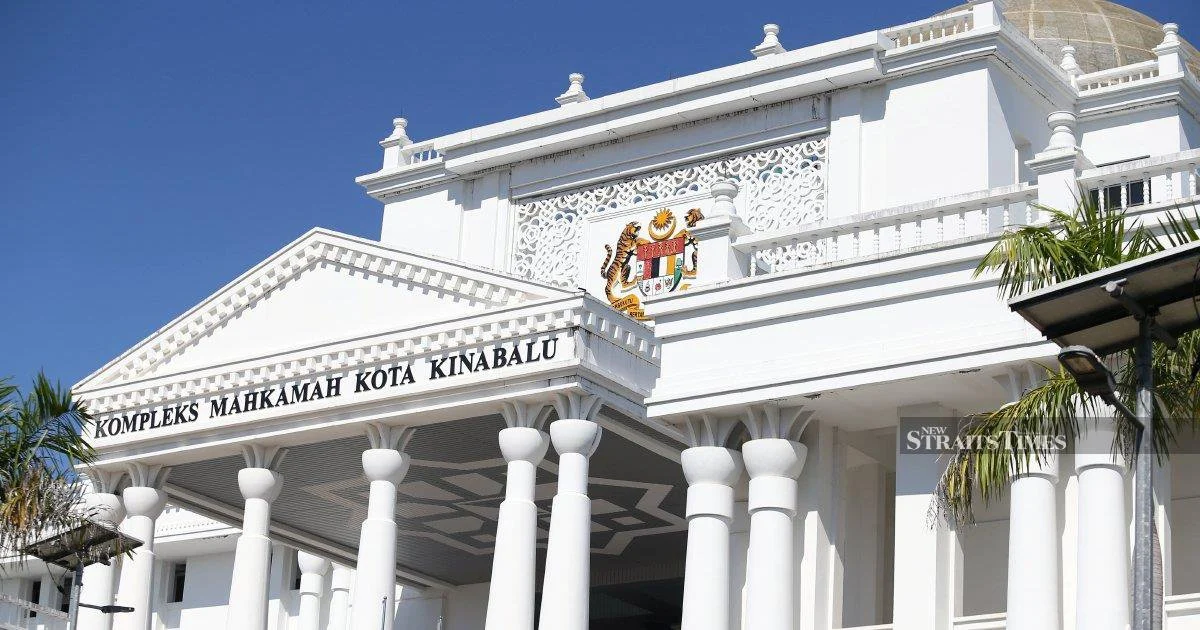
The Zara Qairina Mahathir inquest reached a significant procedural moment in Kota Kinabalu when the 74th witness, a document examination expert, testified that she could not contradict the professional conclusions reached by another specialist in the same field. This development underscores the complex nature of forensic evidence presented during the ongoing inquiry into the death of the 13-year-old girl.
Document examination represents a crucial component of many investigations, requiring specialists to analyse handwriting, signatures, paper composition, and ink characteristics to determine authenticity and origin. The witness's inability to challenge a colleague's findings reveals the inherent limitations and agreed methodologies within the forensic document analysis profession, where competing expert opinions may be constrained by established scientific parameters rather than differing interpretations of the same data.
The inquest process has involved an extensive parade of witnesses since its commencement, with the number now exceeding 70 individuals. Each witness has contributed pieces to the evidentiary puzzle, whether through direct observation, professional expertise, or technical analysis. The progression through dozens of witnesses reflects the thoroughness demanded by the court system when examining a death case involving a minor, particularly one that has garnered significant public attention.
Zara Qairina Mahathir's death remains a matter of considerable concern within Malaysia and beyond. The circumstances surrounding her passing prompted the authorities to convene this comprehensive inquest, ensuring that all available evidence is meticulously examined and tested through cross-examination. The court's determination to hear from extensive witness lists demonstrates the judicial commitment to establishing a complete factual record before reaching conclusions about what transpired.
Forensic expert testimony often presents courts with specialised knowledge that requires careful navigation. When two document examination experts present findings, the absence of contradiction may indicate professional consensus rather than certainty. The witness's acknowledgment of this limitation provides valuable insight into how courts should weigh expert evidence—recognising both the value of professional analysis and the boundaries of what specialists can definitively conclude when examining contested materials.
The inquest format allows the court to thoroughly investigate facts surrounding a death without the adversarial constraints of a criminal trial. This process permits judges to call witnesses and hear evidence aimed purely at establishing what occurred, providing a mechanism for public understanding and accountability. The involvement of 74 witnesses by this stage suggests the court is methodically examining every aspect of Zara Qairina's final days and the circumstances of her death.
Document analysis represents one strand within the broader forensic tapestry presented to the inquest. Alongside pathological evidence, medical records, witness testimony, and investigative findings, document examination contributes to the overall narrative the court is constructing. The professional constraints acknowledged by the witness remind observers that forensic science operates within defined parameters—expert analysis can illuminate certain facts but may not resolve every ambiguity.
The testing of evidence through witness testimony remains fundamental to Malaysia's investigative and judicial processes. By bringing experts before the court and allowing them to be questioned, the system ensures that conclusions rest on transparent reasoning rather than unchallenged assertions. The 74th witness's testimony, while on its surface a minor procedural moment, exemplifies how the legal system creates opportunities for scrutiny and verification of the evidence supporting any eventual findings.
For Malaysian legal observers, this inquest represents a significant exercise in institutional rigour. High-profile cases involving young victims demand extraordinary care in evidence gathering and presentation, particularly when forensic specialists must reconcile potentially conflicting analyses. The court's willingness to hear from numerous experts, and the experts' willingness to acknowledge the limits of their conclusions, reflects standards that Malaysian courts increasingly insist upon when determining facts in serious cases.
The ongoing inquest into Zara Qairina Mahathir's death continues to unfold methodically through successive witness testimony. Each expert who takes the stand, including the 74th witness and her limitations in contradicting colleagues' work, adds incremental clarity to the court's understanding. As this process advances toward conclusion, the accumulated testimony will form the foundation for the judge's assessment of the established facts, with each witness—regardless of their ultimate contribution to resolving disputed points—playing a role in ensuring thoroughness and transparency in this important proceeding.

