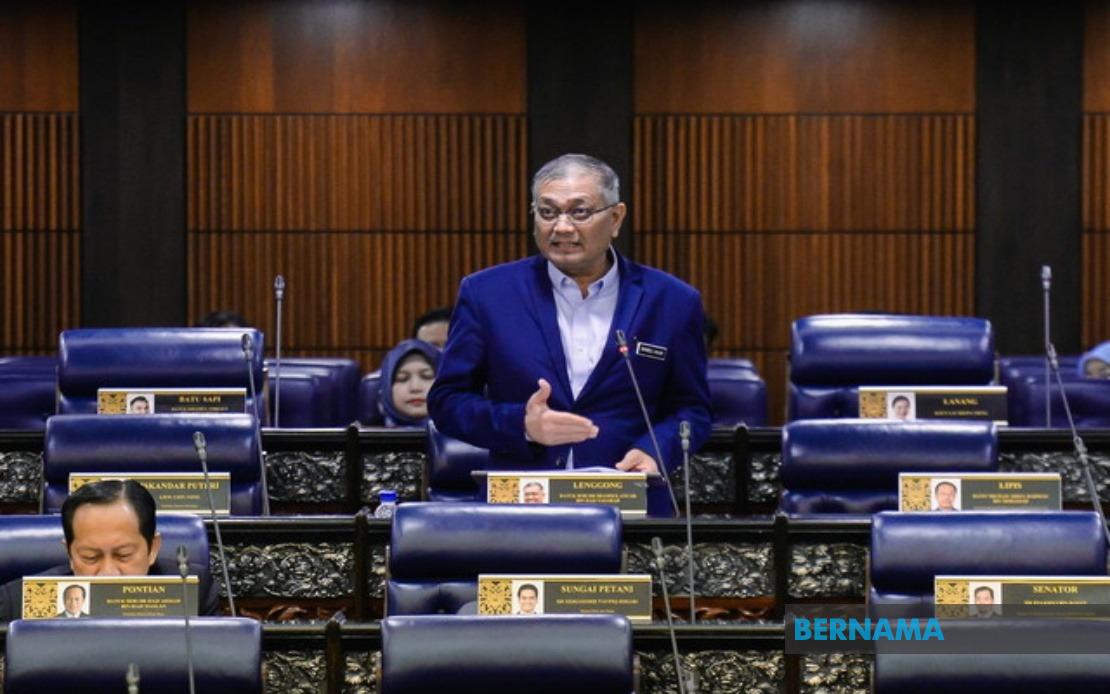
Malaysia's Home Ministry has moved to clarify the nature of extra drills and field duties within the Royal Malaysia Police, asserting that these measures represent legitimate disciplinary tools rather than punitive physical exercises. The statement comes in response to growing public concern about the treatment of lower-ranking officers, particularly following the death of a policeman in Sepang during May. Deputy Minister Datuk Seri Dr Shamsul Anuar Nasarah provided the clarification in Parliament, explaining that such duties are designed to build character and encourage behavioural reform among personnel who have committed minor infractions.
The authority for imposing extra drills derives from Paragraph 32 of the Inspector-General of Police's Standing Orders, a regulatory framework specifically tailored for addressing minor offences among junior police ranks. Rather than resorting to formal disciplinary action through traditional mechanisms, this provision enables supervisors to assign field duties as an intermediate response proportionate to the nature of the breach. The distinction matters considerably in the Malaysian policing context, where perceptions of fairness in internal discipline directly influence officer morale and public confidence in the force. By positioning these assignments within a structured framework, the ministry seeks to demonstrate that such measures follow established procedures rather than representing arbitrary or excessive responses.
Recognising concerns about the intensity and implementation of these field duties, the PDRM Integrity and Standards Compliance Department issued a new administrative directive on June 29 designed to strengthen procedural safeguards. This directive mandates the use of a health assessment form as a prerequisite before imposing extra drills, effectively introducing a medical screening mechanism into the disciplinary process. The move acknowledges the physical demands inherent in such assignments and reflects an attempt to prevent incidents where personnel with underlying health conditions might face serious medical complications. For Malaysian officers and the public following police internal affairs, this represents a tangible shift toward greater scrutiny of officer welfare during disciplinary implementation.
Existing regulations impose strict temporal limits on the application of these field duties, capping daily assignments at four hours and restricting the overall duration to a maximum of five consecutive days. These thresholds establish clear boundaries within which supervisory discretion operates, preventing the escalation of what is nominally a minor disciplinary measure into an extended ordeal. The supervising officer bears explicit responsibility for ensuring that all field duties are conducted prudently and safely, requiring them to evaluate the individual's physical condition, current health status, environmental factors, and any other considerations that might affect the officer's safety. This distribution of accountability theoretically creates a check against abuse, though the practical effectiveness of such oversight depends on consistent application across different police formations and ranks.
A significant point of contention that prompted parliamentary inquiry concerns whether extra drills are applied predominantly to lower-ranking personnel as a form of differential discipline. The ministry acknowledged that Paragraph 32 was deliberately crafted for junior officers as an alternative pathway to handling misconduct, avoiding the more formal and potentially career-damaging consequences of traditional disciplinary boards. However, the deputy minister rejected claims of rank-based favouritism, arguing that senior officers remain subject to disciplinary action governed by separate legal provisions applicable to their respective service grades. This explanation introduces a critical distinction: the absence of extra drill assignments for higher ranks does not necessarily indicate protection from discipline, but rather reflects a different regulatory regime designed to match the status and accountability expectations of senior police leadership.
The concern about potential bullying or hazing practices within police formations prompted additional scrutiny, with lawmakers questioning whether field duties could be used as a pretext for abuse. The ministry responded by emphasising that every disciplinary measure operates within a formal process that cannot be implemented solely on the whim of individual superior officers. This procedural framework theoretically limits the scope for arbitrary or malicious application, anchoring disciplinary decisions to established guidelines rather than personality-driven supervision. Nonetheless, the existence of procedural safeguards on paper does not automatically guarantee uniform enforcement across Malaysia's diverse police contingents, and implementation quality likely varies considerably depending on the professionalism and integrity of local command structures.
For Malaysian readers and regional observers, this parliamentary exchange illuminates ongoing tensions within the PDRM regarding internal discipline and officer treatment. The death in Sepang, which triggered the parliamentary inquiry, created a spotlight on police internal practices that authorities recognised required transparent public explanation. By framing extra drills as developmental rather than punitive, the ministry appeals to a narrative of constructive discipline aimed at building institutional values. However, the perception gap between official policy and ground-level implementation remains significant, particularly given that public understanding of police discipline often relies on anecdotal accounts from officers themselves rather than systematic oversight data.
The introduction of health assessment requirements represents a notable policy adjustment responding to tragedy. This change suggests that previous procedures were deemed insufficient to prevent medical emergencies, and the ministry has accepted the need for additional protective mechanisms. The new directive therefore indicates learning from adverse incidents, though critical observers may question whether health screening alone adequately addresses deeper concerns about the intensity, frequency, or psychological impact of disciplinary field duties on affected officers. The measure reflects incremental administrative reform rather than fundamental restructuring of police discipline architecture.
Looking forward, the sustainability of these clarifications and reforms depends on consistent implementation across PDRM formations nationwide. Regional variations in command culture, resource availability for health assessment administration, and supervisory discipline create potential for divergent practice despite centralised policy directives. For Malaysian police personnel considering their careers within the force, the distinction between policy intent and operational reality remains consequential. The ministry's public statements establish formal standards and create accountability expectations, yet transforming organisational culture around discipline requires sustained commitment from senior leadership combined with transparent monitoring mechanisms that can be independently verified.
The parliamentary exchange ultimately reflects broader questions about police professionalism in Malaysia's security apparatus. As public expectations for transparent, accountable institutions increase, police forces increasingly must justify internal practices through detailed policy explanations rather than relying on traditional deference to institutional authority. The Home Ministry's willingness to clarify the disciplinary framework in Parliament suggests recognition that legitimacy depends on public understanding and acceptance of internal procedures, not merely on hierarchical authority. Whether these clarifications translate into genuine improvements in officer treatment and institutional reform will depend on implementation fidelity and sustained oversight mechanisms across the force.

