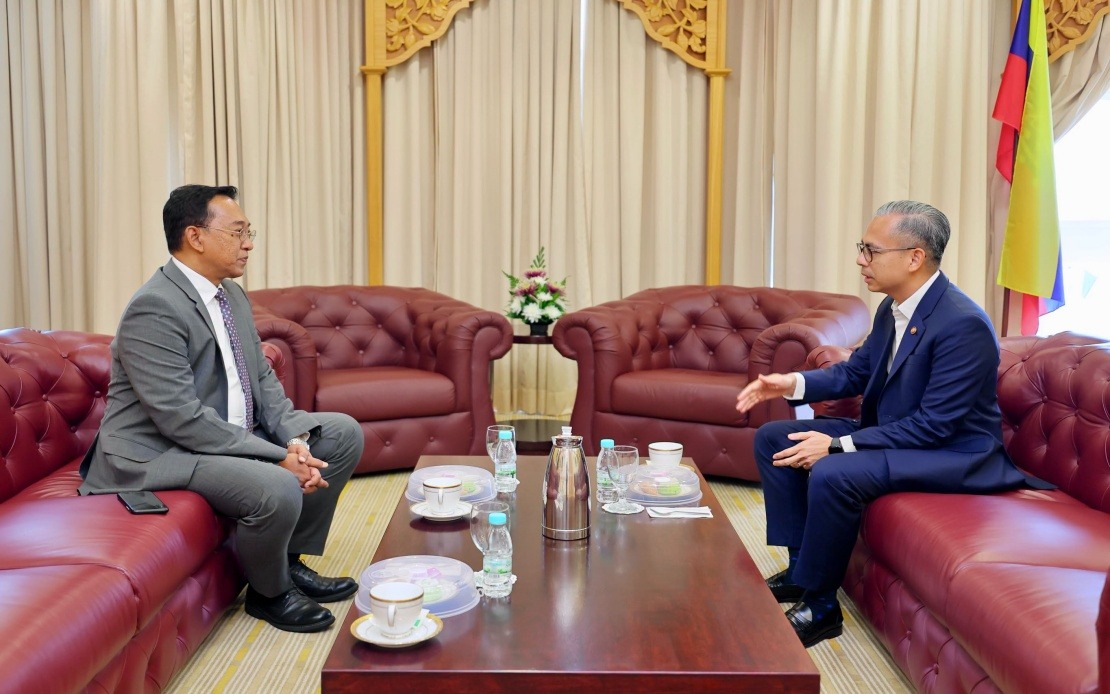
Communications Minister Datuk Fahmi Fadzil has received Malaysia's Ambassador to Lebanon, Anwar Udzir, in a courtesy meeting designed to reinforce working relations between the ministry and the diplomatic corps. The visit marks an important touchpoint as Anwar prepares to represent Malaysia's interests in Lebanon, a strategically significant nation in the Middle East where Malaysia maintains active diplomatic and commercial engagement.
The meeting, which took place in Kuala Lumpur on July 1, served as a platform for exchanging perspectives on current developments relevant to Malaysia's standing on the international stage. Such courtesy calls between ministerial officials and ambassadors are customary protocol in the diplomatic service, allowing for direct dialogue on policy priorities and operational support. Through these interactions, government agencies ensure alignment on messaging and coordination across different portfolios affecting foreign relations.
Anwar Udzir formally received his letter of appointment as Malaysia's Ambassador to Lebanon from His Majesty Sultan Ibrahim, King of Malaysia, on May 18, 2026. This appointment underscores Malaysia's commitment to maintaining robust diplomatic representation in the Levantine region, where economic, security, and cultural considerations intersect with broader Southeast Asian interests. Lebanon's geopolitical position and its role in regional dynamics make ambassadorial representation a critical function for advancing Malaysian interests in the Middle East.
In his remarks, Fahmi expressed confidence in Anwar's ability to navigate the responsibilities of the posting, wishing him success in his representative duties. The minister's public acknowledgment of the ambassador's appointment signals institutional confidence and sets a positive tone for the diplomatic mission ahead. Such endorsements from senior ministerial figures carry weight in diplomatic circles and can enhance an ambassador's standing with host governments and international partners.
The two officials' prior professional connection provides a foundation for their working relationship. Fahmi noted that he first became acquainted with Anwar when the ambassador and his team played key roles in organising the Asia-Pacific Telecommunity Ministerial Meeting held in Tokyo, Japan, in the previous year. This collaboration on multilateral telecommunications issues demonstrates Anwar's experience in managing large-scale international gatherings and coordinating across multiple stakeholder groups—skills directly applicable to ambassadorial work.
The Asia-Pacific Telecommunity is a significant platform for addressing digital connectivity, spectrum management, and telecommunications policy across the region. Malaysia's participation in such forums reflects the country's active engagement in shaping technology governance standards that affect its digital economy and innovation landscape. By facilitating these meetings, diplomats like Anwar help position Malaysia as a constructive participant in regional technical and policy discussions.
Lebanon represents a historically important destination for Malaysian diplomatic engagement. The country serves as a window into Middle Eastern affairs and provides opportunities for Malaysia to advance trade relationships, cultural exchanges, and people-to-people connections with Arab nations. The diplomatic mission in Beirut also functions as a hub for monitoring regional developments that could affect Malaysian citizens, investors, and strategic interests throughout the Levantine region and beyond.
Ambassadors appointed to challenging postings such as Lebanon require substantial support from the home ministry. Communications and coordination across different government agencies—including the Foreign Ministry, trade departments, and security services—become essential for effective representation. Fahmi's meeting with Anwar ensures that the ministry understands the ambassador's priorities and can mobilise resources to support the mission's objectives, whether in promoting Malaysian business interests, facilitating cultural diplomacy, or addressing consular matters affecting Malaysian nationals.
For Malaysian readers, ambassadorial appointments and their supporting infrastructure represent important investments in the country's international standing. The quality of diplomatic representation directly influences how Malaysian interests are advocated, how opportunities for trade and investment are identified and promoted, and how Malaysian citizens abroad are protected and assisted. A well-functioning embassy staffed by capable diplomats like Anwar contributes to broader national objectives of economic development, security, and cultural influence in key regions.
The courtesy call also reflects the ministry's institutional practice of maintaining close coordination with the diplomatic service. Regular engagement between ministerial officials and field representatives ensures that policy directives flow smoothly and that feedback from international posts informs domestic policy-making. This two-way communication channel helps the government make informed decisions about international relations, trade negotiations, and responses to regional developments.
Moving forward, Anwar's tenure in Lebanon will be closely followed by relevant government agencies in Kuala Lumpur. His reports and assessments of developments in Lebanon and the broader Middle East will contribute to Malaysia's understanding of regional trends and potential implications for Southeast Asia. As Malaysia continues to deepen its engagement with the Arab world—through trade, investment, and diplomatic initiatives—the quality of representation in key posts becomes increasingly important for advancing national interests and fostering mutually beneficial relationships with Middle Eastern partners.

