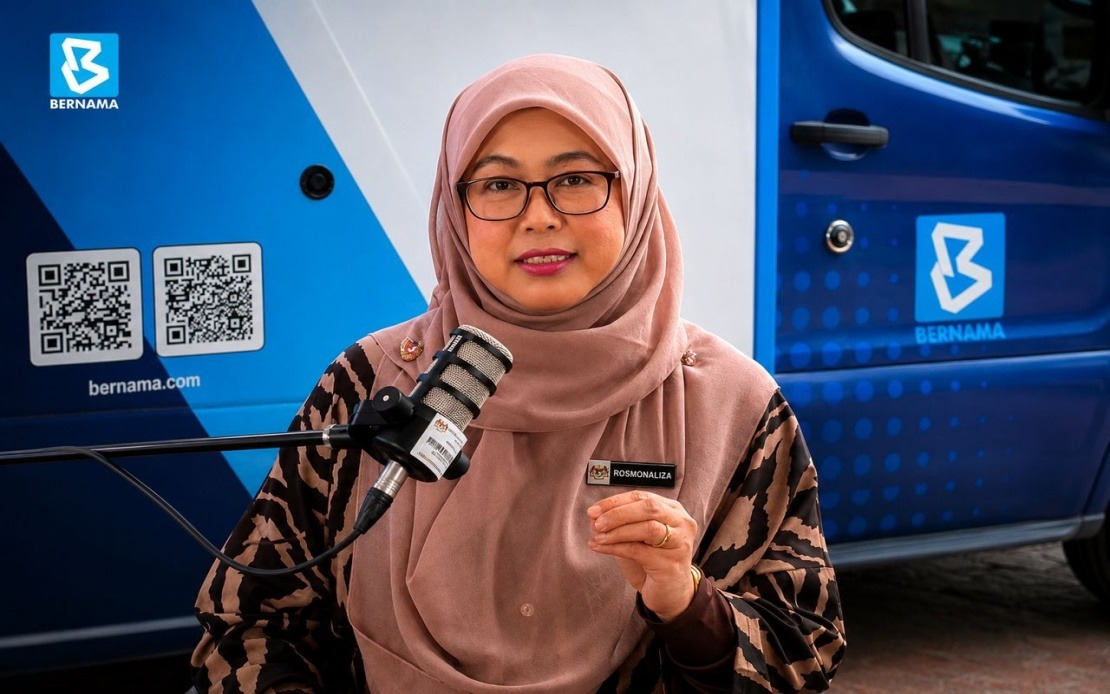
The traditional conception of fatherhood as primarily a financial responsibility has become insufficient for the realities of contemporary family life in Malaysia. According to Rosmonaliza Abdul Ghani, director of the Family Well-being Division at the National Population and Family Development Board (LPPKN), the evolution of modern lifestyles demands that fathers engage more substantially in communication, emotional nurturing, and their children's academic development—moving beyond the historical model of the distant provider to become architects of family resilience.
This shift reflects a broader recognition that fathers occupy a uniquely influential position in shaping not only their children's immediate well-being but also the stability and cohesion of family institutions across Malaysia. Rather than viewing paternal involvement as supplementary to maternal care, contemporary family science positions fathers as essential agents of change whose presence and engagement directly influence family outcomes. Rosmonaliza emphasized that maintaining effective channels of communication within households ensures fathers remain central figures in the developmental journey of their children, rather than becoming gradually sidelined as children mature.
The barriers to greater paternal engagement have historically included both cultural expectations and stigma surrounding men's emotional expression. However, evidence suggests a generational shift is underway, with more Malaysian men demonstrating willingness to access professional support for family challenges. LPPKN has responded to this emerging openness by expanding its portfolio of support services, which now encompasses counselling, therapeutic interventions, and personality assessments tailored to fathers navigating financial strain, mental health difficulties, and other life pressures. These services operate on a principle of non-judgment, creating environments where men feel safe articulating vulnerabilities without fear of shame or social censure.
The uptake of these services has grown notably, particularly in family counselling contexts where fathers attend sessions alongside spouses and children. This trend indicates a growing acceptance among Malaysian men that family well-being is a shared responsibility requiring active participation and professional guidance when necessary. The accessibility of such programs is crucial, as isolation and unaddressed stress among fathers can cascade into broader family dysfunction if left unmanaged.
Beyond the institutional support mechanisms, qualitative research from practitioners working with vulnerable populations reveals the devastating consequences of absent or disengaged fathers. Social workers and community advocates who engage with low-income families and street-affected children consistently observe that family breakdown correlates strongly with the absence of an active paternal presence. Substance abuse among household heads, compounded by economic hardship, creates compounding vulnerabilities that fracture family structures and precipitate downstream social problems affecting both children and communities.
Addressing paternal disengagement therefore requires nuance and empathy rather than punitive interventions. Those working directly with struggling families have found that approaching fathers with dignity, compassion, and understanding—rather than judgment—creates openings for behavioral change and reengagement. Drawing upon religious values and principles of family obligation has proved effective in helping men reclaim their role as responsible household members, suggesting that cultural and spiritual frameworks can serve as powerful motivators for positive paternal behavior when applied sensitively.
Crucially, fathers cannot navigate life's mounting pressures in isolation. The emotional support and appreciation of spouses and children serves as a stabilizing force that prevents men from internalizing stress in destructive ways. When families acknowledge paternal sacrifice and effort, children develop healthier relationships with vulnerability and interdependence. Rosmonaliza stressed that the quality of time fathers invest in their families matters far more to children's emotional development than material acquisition or financial provision alone—a message that challenges the assumption that economic success automatically satisfies the deeper relational needs children harbor.
The timing of recognition matters as well. Children who defer appreciation of their fathers' contributions until adulthood or later may miss critical windows for authentic connection and understanding. Conversely, fathers who proactively carve out meaningful family time establish patterns of presence and attentiveness that children internalize as models for their own future relationships. This reciprocal dynamic—where paternal engagement generates family appreciation, which reinforces continued commitment—creates virtuous cycles that strengthen emotional bonds across generations.
For Malaysian society more broadly, the emphasis on expanding fathers' roles beyond economic provision has significant implications for policy, education, and social services. As family structures and women's economic participation continue to evolve, supporting paternal emotional engagement becomes increasingly important for child development outcomes and family stability. Schools, healthcare providers, and community organizations will need to create environments that affirm men's caregiving capacities and remove barriers to their participation in children's developmental activities.
The LPPKN initiative represents recognition that family resilience in contemporary Malaysia depends not merely on intact household structures but on active, emotionally available engagement from both parents. By positioning fathers as agents of change rather than economic functionaries, the board acknowledges that children's emotional security, educational achievement, and long-term well-being are shaped substantially by paternal presence, communication, and investment. This reframing offers potential to address root causes of family fragmentation and social dysfunction while creating space for men to experience the profound fulfillment that comes from genuine parental connection.

