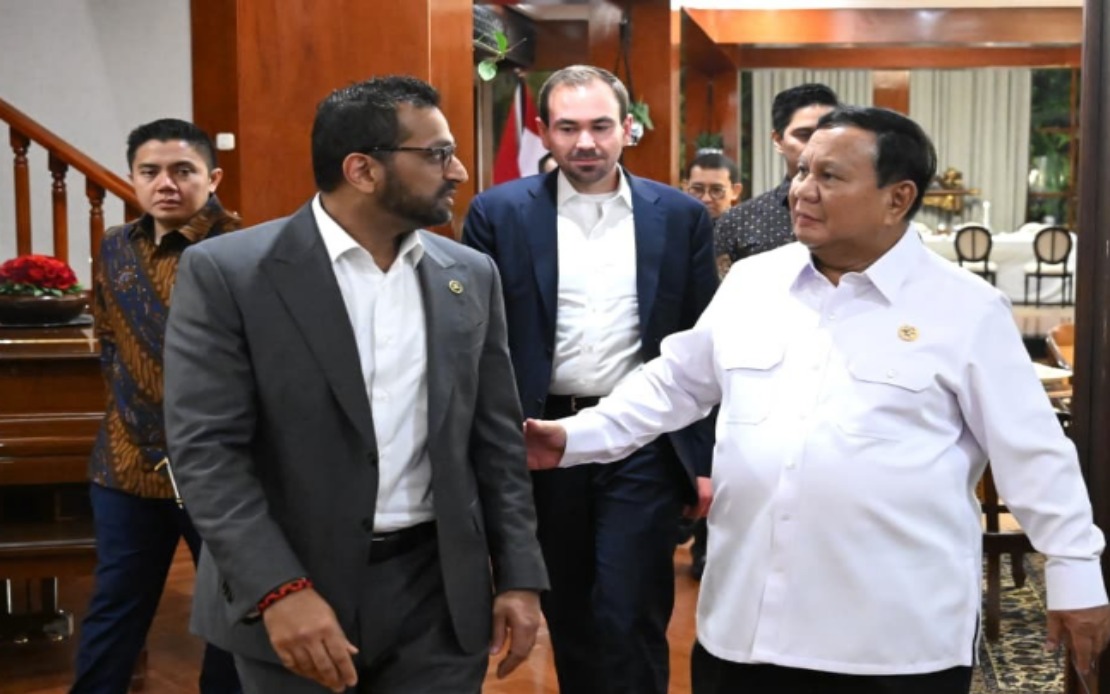
The Federal Bureau of Investigation has handed back a collection of Indonesian cultural artefacts that were illegally trafficked into the United States, marking another significant milestone in the ongoing effort by Jakarta to recover its looted heritage. FBI Director Kash Patel personally delivered the recovered items to President Prabowo Subianto during an official visit to Kertanegara in Jakarta on Wednesday, demonstrating the high-level diplomatic importance that both nations place on cultural restitution efforts.
Indonesian Culture Minister Fadli Zon seized the occasion to emphasize his government's determination to strengthen institutional frameworks around cultural object recovery. In a statement released through the Presidential Secretariat, Zon highlighted that the successful return of these artefacts represented not merely a symbolic gesture but a tangible outcome of sustained bilateral engagement between Indonesian authorities and American law enforcement agencies. He underscored that such cooperation would require continued support from multiple government bodies, particularly the State Secretariat and the Ministry of Foreign Affairs, suggesting that Jakarta views cultural repatriation as a matter requiring whole-of-government coordination.
The recovered artefacts carry particular significance for Indonesia's indigenous communities and historians. According to Zon's description, the items originate from Papua and embody the artistic and spiritual traditions of the Dani and Asmat peoples, alongside communities situated around Lake Sentani. These populations have maintained distinct cultural practices for centuries, and their material heritage holds irreplaceable value in documenting Southeast Asian indigenous history. The Minister characterized the returned objects as possessing substantial historical and cultural significance, emphasizing that their recovery represents a restoration of Indonesia's cultural sovereignty and a step toward preserving authentic representations of these communities' identities.
The repatriation process itself underscores the complexity of modern cultural recovery efforts. The artefacts were returned only after exhaustive provenance research—the systematic investigation of an object's ownership history—conclusively demonstrated that they had been smuggled unlawfully across international borders. This methodical approach reflects international best practices in distinguishing between legitimate acquisition and criminal trafficking. For Malaysia and other Southeast Asian nations facing similar heritage losses, the Indonesian experience illustrates how rigorous documentation and collaborative investigation with foreign law enforcement can eventually yield results, even for items that have disappeared into private collections or museums abroad for decades.
The FBI's role in this recovery initiative extends beyond a single transaction. As Zon noted, American federal investigators have previously assisted Indonesia in retrieving numerous stolen cultural objects, including bronze statues and materials from multiple archaeological and historical sites. This established pattern of cooperation suggests an institutional commitment from US law enforcement to prioritize cultural crimes within their investigative agenda. The willingness of the FBI to treat cultural patrimony theft as a serious federal matter—comparable to other transnational crimes—creates a model that other countries might seek to replicate or expand within their own bilateral relationships.
The decision to display these recovered artefacts at Indonesia's National Museum represents a carefully considered strategy regarding their future disposition. Rather than restricting access to these items through academic or curatorial channels, Jakarta has chosen to make them publicly available, enabling broad engagement with the cultural heritage they represent. This approach serves multiple objectives simultaneously: it affirms the government's commitment to transparency and public education regarding national patrimony, it allows Indonesian and international visitors to appreciate the sophistication of indigenous artistic traditions, and it establishes a powerful narrative about successful repatriation that can strengthen public support for ongoing recovery efforts.
For Malaysia and the broader Southeast Asian region, the Indonesian-FBI partnership carries instructive implications. Both nations share colonial legacies that resulted in the displacement of significant cultural materials to Western institutions and private collections. Malaysia has also experienced the loss of important artefacts through smuggling networks, and the institutional mechanisms that Jakarta has developed could serve as a template for expanding Malaysian repatriation initiatives. The involvement of multiple government agencies in coordinating recovery efforts, the commitment to rigorous provenance research, and the establishment of high-level diplomatic channels for handling restitution matters all represent strategic approaches that could strengthen Malaysian cultural diplomacy.
The broader context of cultural repatriation in the 21st century reveals shifting global attitudes toward heritage justice. Historically, Western institutions and collectors maintained strong legal and ethical positions that discouraged the return of contested objects. However, mounting pressure from source nations, evolving international norms around restitution, and growing recognition of the cultural injustice inherent in heritage displacement have gradually shifted this landscape. The FBI's willingness to pursue smuggling investigations and facilitate returns demonstrates that significant American institutions now recognize cultural crime as a legitimate law enforcement priority, a development that creates opportunities for other nations to pursue recovery through official channels.
The specific character of the artefacts being returned—materials from Papua's indigenous communities—also reflects patterns in global trafficking of cultural property. Materials originating from indigenous territories frequently enter illicit markets due to their aesthetic appeal and historical significance, yet their removal perpetuates historical injustices and contributes to the erosion of living cultural traditions. By recovering these objects and returning them to Indonesia, the FBI's actions acknowledge that cultural materials should be contextualized within their original communities and that indigenous peoples possess legitimate claims to their heritage, regardless of how long those materials have circulated through international markets.
Looking forward, Zon's stated expectation that Indonesian-FBI cooperation will deepen suggests that both governments view this partnership as developmental rather than static. As Jakarta strengthens its own institutions responsible for heritage protection and documentation, and as the FBI potentially expands its cultural crimes investigative capacity, the scope and complexity of recoverable materials may increase. This dynamic evolution means that subsequent repatriations may involve larger collections, higher-profile items, or more intricate legal questions about ownership and rightful possession. For Southeast Asia more broadly, each successful recovery sets precedents that encourage other nations to invest in similar institutional capabilities and diplomatic efforts.

