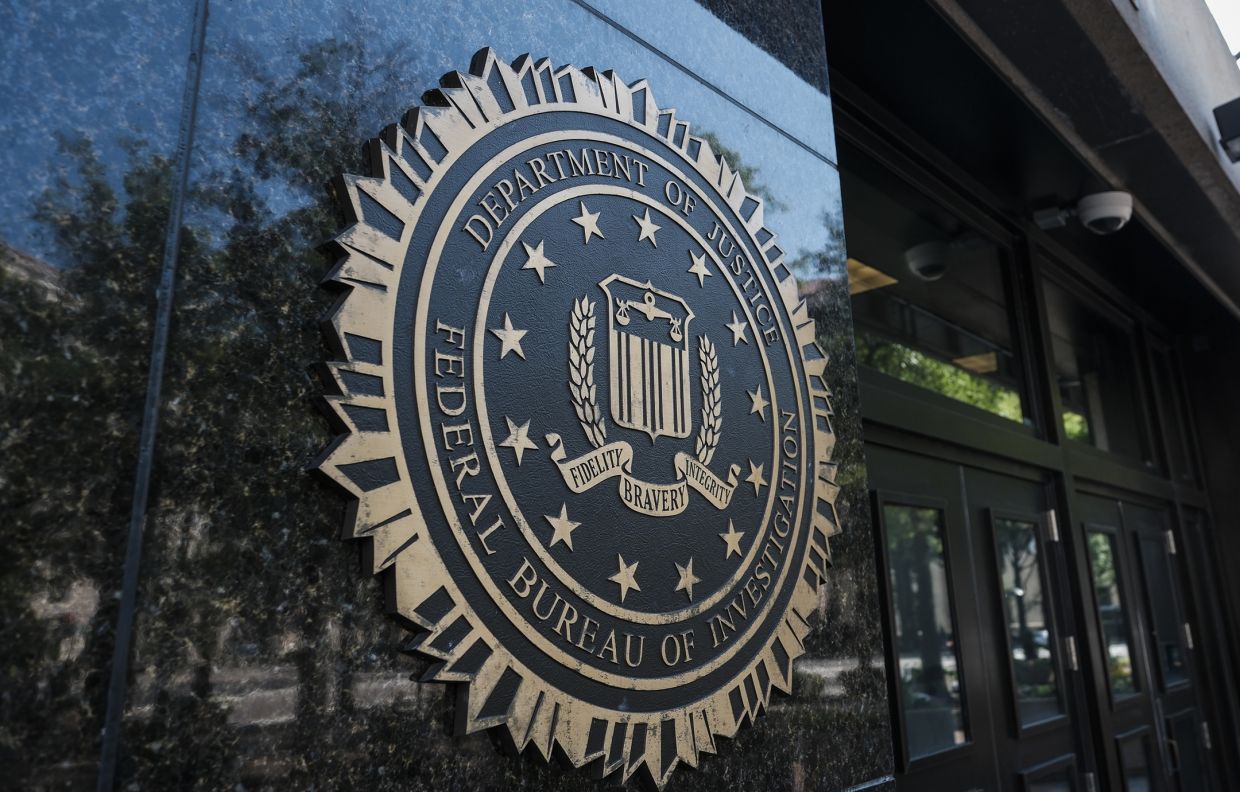
Patrick Yaroch, a supervisory special agent based in Washington, has been arrested on charges related to the theft of approximately US$1 million (RM4.09 million) in cryptocurrency. The case highlights a serious breach of public trust within federal law enforcement and raises troubling questions about oversight mechanisms within intelligence agencies handling sensitive digital assets and evidence.
According to court documents, Yaroch came forward voluntarily to disclose his actions, telling colleagues at the Justice Department that the matter was weighing heavily on his conscience. The affidavit reveals that he described the situation as "eating him up inside" and that he felt compelled to "get it off his chest." This voluntary disclosure, while potentially mitigating in some respects, occurred only after the funds had already been transferred and commingled with his personal assets, suggesting the confession came after considerable time had elapsed since the initial thefts.
The theft itself appears to have begun in late 2024 or early 2025, with Yaroch making between 10 and 12 separate withdrawals from a cryptocurrency account. Critically, he obtained access to the account by exploiting credentials and passphrases that the FBI had legitimately seized during an investigation into an unrelated individual suspected of involvement in cryptocurrency-related offences. This misuse of investigative materials represents a fundamental betrayal of the trust placed in federal agents to properly custodise evidence and sensitive information.
When confronted by investigators examining his own crypto wallet, where the stolen funds had been deposited, authorities discovered approximately US$1 million in digital assets—an amount that Yaroch himself had initially claimed uncertainty about, stating he was unsure of the precise figure stolen. This discrepancy between his estimate and the actual amount discovered underscores either his lack of precise record-keeping or a possible attempt to minimise the apparent scope of his wrongdoing.
During interviews with colleagues, Yaroch offered explanations for his conduct that revealed frustration with institutional constraints. He told associates that he had been "spinning out of control" and expressed considerable frustration that "the FBI could not or would not act against adversarial cryptocurrency accounts." This rationalisation suggests that Yaroch may have viewed his actions as justified compensation for what he perceived as institutional inaction or bureaucratic impediment to pursuing cases he deemed significant. Such reasoning, while potentially understandable psychologically, finds no legal or ethical justification and reflects a dangerous mindset wherein individual agents become the arbiters of which laws and regulations to observe.
The timeline of events demonstrates the urgency with which federal authorities moved against their own employee. Despite Yaroch indicating that he intended to continue cooperating with investigators once he had retained legal counsel, FBI officials made the decision over a weekend to execute a search of his residence and place him under arrest. This swift action, carried out even as he ostensibly prepared to assist the investigation further, suggests that authorities determined they could not risk delay or rely on ongoing voluntary cooperation.
Interestingly, Yaroch has not yet been formally charged with theft or the underlying crime of stealing cryptocurrency, a gap that likely reflects the rapid pace of investigation and law enforcement action. Instead, charging papers focus on possession of stolen property, a more straightforward charge to establish and prosecute. Court records as of the filing do not yet reflect the appointment or retention of legal counsel representing Yaroch, leaving unclear what his formal defence strategy might entail or whether he intends to challenge the characterisations presented in the affidavit.
Further insight into Yaroch's circumstances emerged from examination of his internet activity. In May, he had conducted searches using ChatGPT seeking investment advice regarding deploying US$1 million with retirement goals targeting age 40 and aspirations toward developing "a slower-living vineyard and agricultural lifestyle" in regions such as Cilento in Italy or Portugal's Dao region. These searches paint a portrait of someone contemplating significant life changes and alternative careers, possibly suggesting that financial motivations and desires for lifestyle transformation played material roles in his decision-making.
The case carries profound implications for federal law enforcement institutions and digital asset governance more broadly. It demonstrates vulnerability within systems designed to safeguard cryptocurrency seized as evidence, particularly given that access credentials can be misused by trusted insiders with legitimate employment within investigative agencies. For Malaysian readers and Southeast Asian observers, the incident underscores the importance of robust internal controls, asset segregation protocols, and digital security measures when governments handle cryptocurrencies confiscated during criminal investigations.
The incident also reflects broader challenges surrounding cryptocurrency regulation and law enforcement capacity. Yaroch's frustration regarding institutional limitations in addressing illicit cryptocurrency activity resonates with concerns expressed by regulators and law enforcement agencies across the region regarding the speed and difficulty of pursuing digital asset crimes. While such frustrations cannot excuse misconduct, they point to legitimate gaps in regulatory infrastructure and international coordination mechanisms for addressing cryptocurrency-related offences effectively.
Moreover, this case demonstrates how individuals positioned within powerful institutions can exploit access and authority for personal enrichment. The theft required both technical knowledge and legitimate investigative credentials—precisely the combination a federal agent would possess. This dynamic highlights the necessity for continuous internal oversight, rotation of duties involving sensitive asset access, and robust audit trails for all handling of seized digital materials.
For the broader law enforcement community, particularly those working in emerging areas such as digital asset investigations, the Yaroch case serves as a cautionary reminder regarding institutional vulnerability and the importance of maintaining ethical standards and legal compliance regardless of frustration with bureaucratic processes. The voluntary disclosure, while not absolving misconduct, may factor into sentencing considerations should Yaroch be convicted. Nevertheless, the fundamental breach of public trust and violation of investigative protocols represents a serious matter that demands accountability and systemic reform to prevent recurrence.

