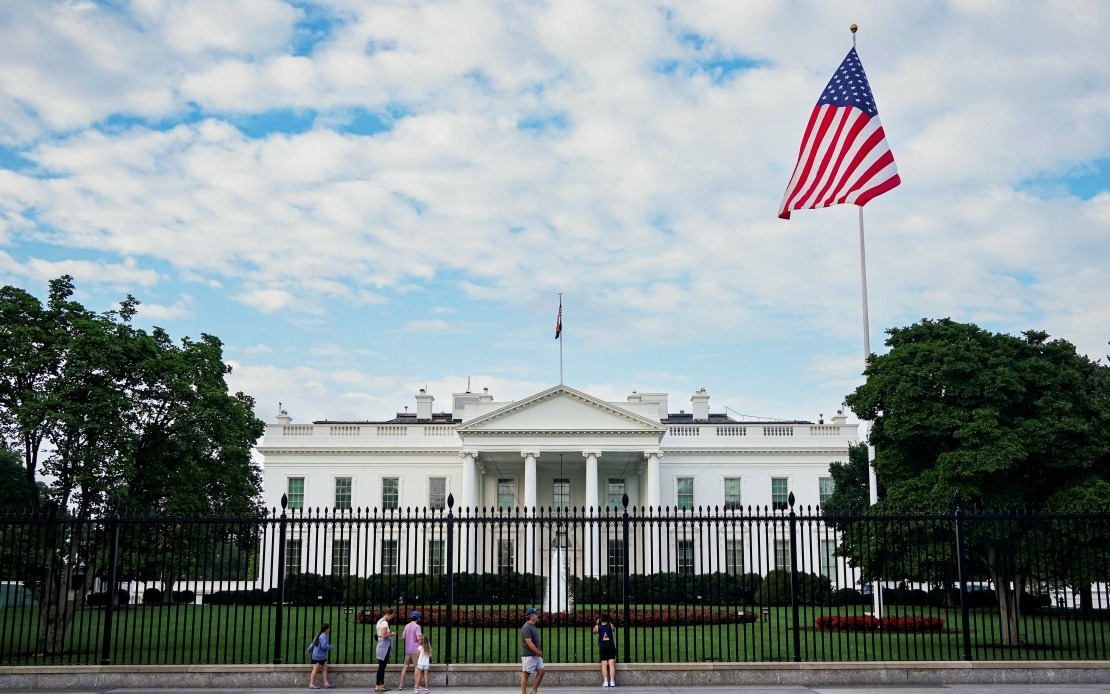
Security agencies in the United States have successfully prevented what officials describe as a coordinated attack scheme targeting a high-profile Ultimate Fighting Championship event held at the White House on Sunday. The UFC America 250 event, organized to commemorate both President Donald Trump's 80th birthday and the nation's 250th anniversary, drew approximately 4,000 spectators to the South Lawn. According to FBI Director Kash Patel's statement issued on social media platform X, the agency and partner law enforcement organizations became aware of the potential threat on June 10, several days before the scheduled event.
The alleged plot represents a sophisticated multi-phase operation that authorities say involved at least 23 individuals across a network of suspected plotters. Five individuals have been taken into custody as of Monday, with investigators continuing to assess the extent of the conspiracy. The operational design, as described by officials quoted by Fox News, reveals considerable coordination and strategic intent. The purported attack would have leveraged explosive-laden drones to target buildings adjacent to the event venue, creating immediate chaos and panic. Such an explosion would have forced a mass evacuation of attendees, strategically herding crowds toward predetermined positions where a sniper team lay in wait to inflict maximum casualties among fleeing spectators.
The complexity of this alleged scheme underscores the severity of the threat landscape facing high-profile government events in the contemporary United States. Law enforcement sources indicated that following the initial attack phase, a second coordinated element was planned involving individuals attempting to storm the White House gate itself. This sequential approach suggests careful planning and an understanding of security protocols, indicating that those involved possessed or had access to tactical knowledge about site layout and defensive positioning. The dual-wave strategy would have created a situation where security personnel faced simultaneous threats at multiple locations, potentially overwhelming response capabilities.
The authorization for the event itself faced legal challenges in the days preceding its execution. Two Virginia residents mounted a legal challenge arguing that hosting such an entertainment spectacle on the White House grounds violated constitutional or statutory provisions. However, on Friday, June 14, a federal judge from the US District Court for the District of Columbia declined to issue an injunction, thereby allowing the event to proceed as scheduled. This judicial decision enabled approximately 4,000 people to attend the unprecedented cage-fighting exhibition on the South Lawn without further legal impediment.
The successful disruption of this alleged plot reflects enhanced vigilance and inter-agency cooperation among American security services. The coordination between the FBI and its law enforcement partners demonstrates the importance of intelligence sharing and rapid response protocols when potential threats to major events are identified. The fact that multiple individuals have been apprehended suggests that investigations benefited from actionable intelligence, surveillance capabilities, or potential informant information that allowed authorities to move decisively before operational phases could commence.
For regional observers in Southeast Asia, this incident carries implications regarding security planning for major international events and diplomatic gatherings. Malaysia and neighbouring countries that host significant conferences, sporting events, and official ceremonies can draw lessons from how comprehensive threat assessment, intelligence integration, and rapid protective measures operate at the highest levels. The case demonstrates that contemporary threats to large gatherings often involve technological elements such as drones alongside traditional methods, requiring security frameworks that address evolving attack methodologies.
The broader context reveals an escalating pattern of political violence across the United States. In April of this year, a separate incident occurred when an armed individual breached security protocols at the White House Correspondents' Dinner, carrying firearms and edged weapons. That individual was subsequently charged with attempted assassination of the president. The recurring nature of such incidents suggests underlying societal tensions and ideological motivations that extend beyond isolated incidents, reflecting fragmentation in the political landscape that creates risk conditions for violence against prominent government figures and institutions.
The foiled attack scheme also highlights vulnerabilities inherent in hosting outdoor events at sensitive government locations. Despite the South Lawn's status as controlled territory within a highly secured complex, the alleged plot contemplated methods that would have circumvented traditional perimeter defenses. The use of drones as delivery mechanisms for explosives represents a relatively recent dimension of security threats, one that challenges conventional protective measures designed for ground-based attacks or direct assault vectors.
The identification of 23 individuals as part of a potential network raises questions about recruitment, radicalization, and operational security within networks of extremist actors. How such individuals connected, shared planning information, and coordinated across the National Capital Region without triggering earlier detection remains part of the ongoing investigative process. The geographic scope, with suspects from outside the immediate Washington area, indicates that the conspiracy possessed sufficient reach and organization to activate resources across multiple locations.
Moving forward, the successful prevention of this alleged attack will likely inform security planning for future major events at the White House and other sensitive government facilities. The incident provides intelligence agencies with operational patterns, methodologies, and network information that will enhance their ability to identify and preempt similar threats. For the international community, including Malaysia and ASEAN nations, this case study underscores the necessity of maintaining sophisticated security infrastructures, investing in intelligence capabilities, and fostering coordination between agencies when managing large-scale public events.