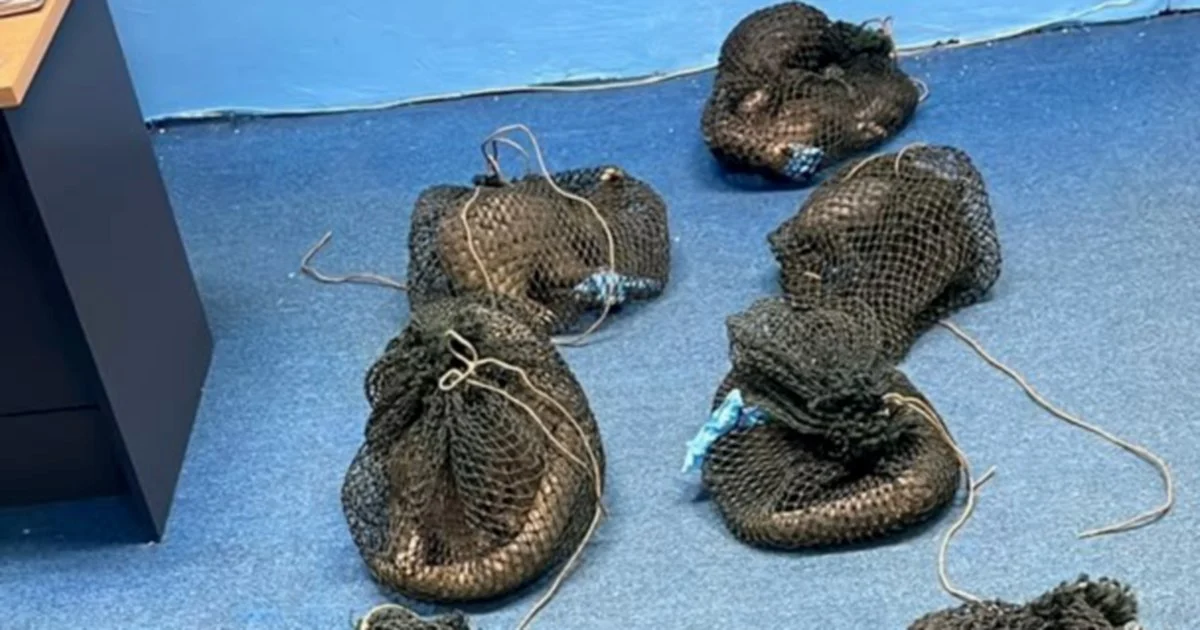
Wildlife enforcement officers in Sabah arrested a 27-year-old Filipino man after discovering 10 live pangolins and an elephant tusk concealed at a plantation in Kampung Paris 3, Kinabatangan. The operation represents a significant blow against wildlife trafficking networks operating across the region's porous borders, where pangolins and elephant products remain highly sought after in illegal international markets.
The suspect was apprehended during a raids coordinated by multiple agencies investigating trafficking activities in the area. The discovery underscores the persistent threat posed by organised criminal syndicates that exploit Sabah's geographic proximity to the Philippines to move protected species across maritime routes. Pangolins, already classified as the world's most trafficked mammals, command substantial prices in underground markets where their scales are ground into traditional medicine compounds and their meat is considered a delicacy in parts of Asia.
The plantation setting where the animals were found suggests a deliberate choice of location—rural agricultural areas offer concealment from routine patrols while maintaining accessibility to trafficking networks. The simultaneous seizure of an elephant tusk indicates coordination between different branches of the trafficking operation, with individuals sourcing multiple protected species simultaneously for consolidated export shipments. Authorities emphasize that such operations typically involve suppliers, transporters, and end-market buyers operating across multiple jurisdictions.
Wildlife trafficking through Sabah has intensified over the past decade as criminal networks adapt to enforcement pressures in other Southeast Asian states. The Philippines serves as both a transit point and source market for traffickers, with porous borders and limited inter-agency coordination creating vulnerabilities that sophisticated organised groups actively exploit. The arrest and discovery contribute valuable intelligence to ongoing investigations into the broader trafficking architecture supporting these operations.
Pangolins fulfil unique ecological roles in Southeast Asian forests, yet populations have declined catastrophically due to poaching pressure. The live animals seized in this operation face an uncertain future; while rehabilitation programmes exist, many rescued individuals struggle to reintegrate into fragmented forest ecosystems. The elephant tusk recovery represents diminished demand in traditional markets, though investigative focus will shift toward identifying whether it originated from Sabah's own elephant population or was imported through established trafficking channels.
The case highlights how wildlife crime intersects with other transnational criminal activities in the region. Many trafficking networks diversify operations to include narcotics, firearms, and human smuggling, leveraging identical supply chains and corruption networks. Enforcement agencies struggle to allocate resources effectively across competing priorities, allowing wildlife criminals to operate with relative impunity despite legal frameworks mandating severe penalties.
Malaysia's wildlife conservation laws prescribe substantial fines and imprisonment terms for trafficking offences, yet prosecutions rarely achieve maximum sentences. Sabah's position as Southeast Asia's biodiversity hotspot compounds the stakes—forests and waters surrounding Kinabatangan harbour species found nowhere else on Earth, yet protection remains inadequately resourced. The plantation economy itself creates habitats exploited by traffickers; workers in remote agricultural areas receive minimal training in reporting suspicious activities.
Regional cooperation remains essential but inconsistently implemented. ASEAN member states lack unified wildlife trafficking databases or harmonised penalties, enabling traffickers to calculate legal exposure across jurisdictions and route shipments through states with weaker enforcement records. The Chinese-language markets driving demand for pangolin scales and elephant ivory operate largely beyond law enforcement reach, creating powerful economic incentives that overwhelm supply-side interventions alone.
The arrestee faces charges under Sabah's wildlife protection legislation, though his cooperation status and potential links to larger trafficking networks remain undisclosed pending investigation. Intelligence gathered from interrogation will likely inform ongoing operations against other trafficking participants, yet historically such arrests produce limited disruption to network functioning—replacement operatives quickly assume roles vacated by detained individuals.
Conservationists warn that incremental enforcement successes, while valuable symbolically, cannot reverse trafficking trajectories absent parallel demand reduction initiatives. Educational campaigns within source and transit countries require sustained investment that competing governmental priorities often displace. The arrest and seizure will feature in official statistics demonstrating enforcement commitment, yet organisational infrastructure powering the broader trafficking economy continues functioning largely undisturbed across the region.

