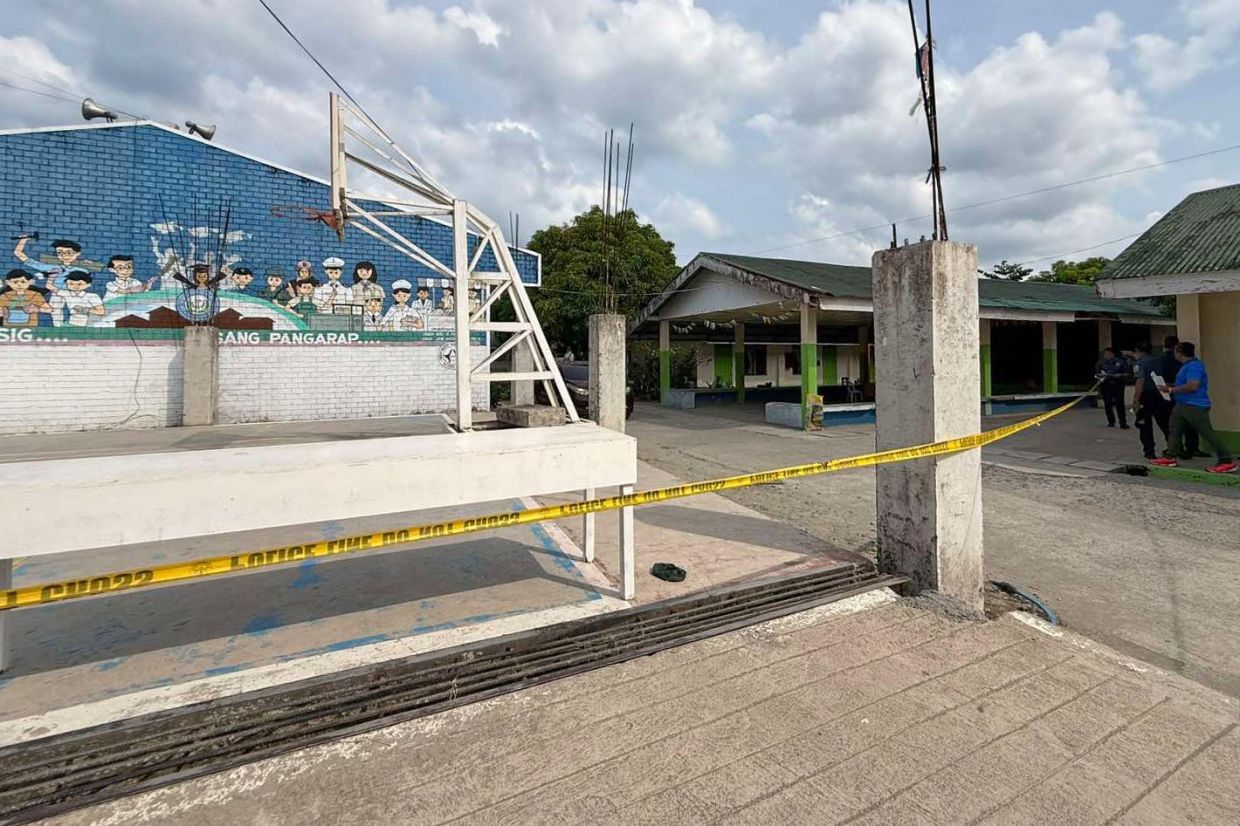
A 14-year-old female student in the Philippines has been taken into police custody after posting threats on social media targeting her school, according to Interior Secretary Jonvic Remulla in a statement on Thursday, June 25. The Grade 10 pupil from Tolosa National High School in Leyte had allegedly created multiple Facebook accounts to disseminate messages threatening violence against fellow students, prompting an investigation by the Philippine National Police – Criminal Investigation and Detection Group. The arrest came after Senator Bam Aquino alerted authorities to the concerning posts, which appeared on social media on Wednesday night.
The threatening messages posted by the minor contained explicit references to potential violence at the school. One post stated: "Hello. Send this to your friends. Yo, from Tolosa, prepare yourselves, especially to you, as you owe me. Get ready. I will disrupt the school." The follow-up message escalated further, declaring "You won't know me, but you will recognise me. There is no time nor day. Be prepared for whoever gets shot or stabbed. We don't care. Good luck to you at Tolosa National High School." The timing and specificity of these threats prompted immediate concern from school administrators and law enforcement officials, particularly given recent violence in the region.
Police investigators confirmed the student's identity through social media analysis and corroboration from concerned individuals who reported the posts. However, the minor could not be formally charged under existing Philippine law. The Department of Social Welfare and Development took custody of the girl before releasing her, as the Republic Act No. 9344 or the Juvenile Justice and Welfare Act provides specific protections for minors involved in criminal matters. This legal framework, designed to prioritise rehabilitation over prosecution for young offenders, meant that despite the severity of the threats, criminal charges could not proceed.
The investigation revealed that the student had deleted her accounts and the threatening posts once authorities made contact with her. Remulla noted that the minor appeared hesitant and uncooperative during questioning, expressing fear about potential consequences. When police officers from the Tolosa Municipal Police Station approached her parents to gather more information, family members refused to cooperate or provide details about the situation. This lack of parental cooperation complicated the investigation and prevented authorities from obtaining a fuller picture of the student's motivations and state of mind.
Based on their assessment, Interior Secretary Remulla suggested that personal and family problems may have driven the student to post the threatening messages. After police engaged with the family, the threat appeared to have been neutralised and became inactive, with investigators finding no evidence of an organised plot or involvement of other individuals. Crucially, neither the minor nor her family had access to firearms, a significant factor in determining the immediate danger posed to the school community. This distinction between online bravado and genuine capacity to carry out violence proved important in the authorities' evaluation of the overall risk level.
The Tolosa case bears a troubling connection to a devastating attack that occurred just days earlier at San Jose National High School in Tacloban City. Two students, aged 14 and 15, opened fire at their school on Monday, killing three fellow students and injuring at least 20 others in one of the deadliest school shootings in Philippine history. The proximity of these two incidents within the same region and within days of each other raised serious concerns about potential contagion effects or copycat threats among young people in the area.
A striking common factor linking both incidents is that the individuals involved were reportedly avid fans of GoreBox, a video game known for its graphic violent content. Following the Tacloban shooting, the Cybercrime Investigation and Coordinating Centre moved to temporarily ban the game in response to mounting public concern about its potential influence on young people. While authorities stopped short of establishing direct causation between the game and violent behaviour, the repeated identification of GoreBox as a shared interest among multiple young perpetrators of or threateners of school violence has intensified debate about the role of digital media in influencing youth aggression in the Philippines.
The rapid succession of the Tacloban shooting and the Tolosa threat illustrates a growing challenge for Philippine law enforcement and education authorities. School violence has become a pressing national security concern, with young perpetrators exhibiting alarming levels of access to weapons and willingness to use lethal force. The emergence of online threats adds another dimension to this crisis, as social media platforms enable rapid dissemination of menacing messages and may amplify psychological contagion among vulnerable youth populations.
Examining the Tolosa student's case reveals important insights into the psychology of school violence threats in Southeast Asia. Unlike the actual shooters in Tacloban, this student lacked access to firearms and displayed signs of emotional instability tied to unresolved family and personal issues. Her use of anonymous accounts and cryptic language, combined with her later uncooperativeness and fear of consequences, suggests a combination of adolescent impulsivity and genuine distress rather than calculated planning. The authorities' conclusion that no organised network or serious weapon-acquisition attempt was involved distinguishes this case from the Tacloban incident but does not eliminate the psychological distress underlying such threats.
The handling of this case within the Philippine juvenile justice system raises broader questions about balancing public safety with the rehabilitation of troubled minors. Law enforcement successfully identified and apprehended the student, preventing further dissemination of threats. However, the inability to prosecute, combined with parental non-cooperation, leaves questions about what preventive or supportive measures might address the underlying issues that led her to post such messages. Education officials and child welfare specialists will need to develop protocols for identifying and assisting young people exhibiting such warning signs before they escalate to actual violence.
For Malaysian and Southeast Asian observers, the Philippine experience underscores the vulnerability of the region's schools to escalating youth violence and the role that technology, particularly social media, plays in amplifying threats. The region must grapple with balancing juvenile rehabilitation frameworks with public safety imperatives. Additionally, the repeated association of violent video games with school attacks, though not definitively proven as causal, suggests the need for more nuanced discussions about digital content regulation and youth mental health support across Southeast Asian nations.
The temporary ban on GoreBox by Philippine authorities represents one policy response, though its effectiveness in preventing violence remains uncertain. A more comprehensive approach would address the underlying factors—family instability, access to weapons, mental health challenges, and social isolation—that appear to motivate young people toward violence. As schools across Southeast Asia grapple with similar threats, sharing information about evidence-based prevention strategies and threat assessment protocols will become increasingly important for the region's security and child welfare.

