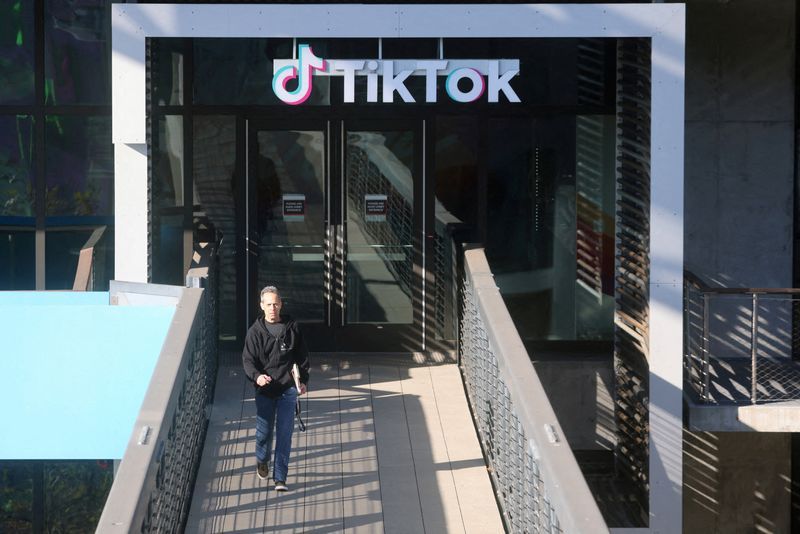
Florida's attorney general has escalated the state's crackdown on social media platforms with a lawsuit against TikTok, accusing the video-sharing application of systematically breaching a protective law designed to shield young users. James Uthmeier, the state's top law enforcement officer, filed the case in St. Lucie County state court on Monday, claiming that TikTok knowingly circumvents Florida's stringent regulations by permitting children under 14 to establish accounts on its platform.
The core dispute centres on H.B. 3, legislation that took effect in January 2025 and represents one of the nation's most aggressive attempts to regulate children's social media access. The law mandates that platforms completely prohibit users aged 13 and younger from creating accounts, while requiring parental approval for those between 14 and 16. By filing this lawsuit, Florida argues that TikTok has shown deliberate disregard for these requirements despite its public commitments to child safety.
Uthmeier's complaint encompasses two distinct allegations that underscore the state's frustration with the platform's approach. First, the lawsuit contends that TikTok continues to allow underage children to access its services, directly contradicting the platform's stated compliance efforts. Second, and perhaps more significantly, the filing asserts that TikTok misrepresents the nature and extent of harmful content—including violent and sexually explicit material—that young users routinely encounter while using the application. The attorney general characterised this conduct as deceptive to parents who rely on platform safeguards to protect their children online.
The state is pursuing aggressive remedies through the legal system. Beyond seeking a court order that would require TikTok to implement substantial modifications to comply with Florida law, the lawsuit demands financial damages to compensate for the alleged harms inflicted on the state's youth. This multi-pronged approach signals Florida's determination to hold the company financially accountable while reshaping how the platform operates within its borders.
TikTok has already begun responding to Florida's enforcement actions, with the company informing users under 14 in the state that their accounts face suspension. However, the platform appears to be contesting the broader legal framework, indicating that it is evaluating Florida's complaint while maintaining that its record on youth safety is robust. The company's defence strategy suggests it may challenge the constitutionality of H.B. 3 itself, following the approach taken by Snapchat's parent company Snap in response to similar enforcement actions.
Florida's action against TikTok is not occurring in isolation. The state has already targeted Snapchat's operator, Snap, with accusations that it deliberately incorporates addictive features designed to hook children and allows account creation for those as young as 13. Florida prosecutors characterised Snap's conduct as "particularly egregious" because the company explicitly markets its platform as appropriate for 13-year-olds while the application facilitates access to pornography and illicit drug transactions. That litigation remains active, demonstrating Florida's sustained commitment to challenging these platforms.
Nationally, the legal landscape surrounding social media and youth safety has become increasingly turbulent. TikTok confronts lawsuits from over 25 state attorneys general who contend that the platform's architecture is deliberately engineered to addict young users, thereby triggering a mental health crisis among children and adolescents. Most of these cases invoke state consumer protection statutes rather than specialized child safety laws, broadening the legal theories available to prosecutors across the country.
Beyond government enforcement, the companies face an expanding wave of civil litigation. Thousands of lawsuits have been filed by individuals and school districts alleging that social media platforms cause psychological injury to young users. A significant development occurred when a jury in Los Angeles found Meta Platforms and Google Alphabet negligent in a trial brought by a woman who experienced depression and anxiety after becoming addicted to their platforms during her youth. TikTok avoided trial in that case by settling with the plaintiff, and the company also reached an $8 million settlement in a separate case involving a Kentucky school district.
The constitutional dimension of this dispute remains unresolved. A federal judge in Florida previously struck down H.B. 3 as unconstitutional, determining that it infringed on minors' First Amendment rights to free expression. However, that ruling has been temporarily halted pending appellate review, permitting Florida to continue enforcing the statute while the legal challenge proceeds through the courts. This constitutional uncertainty creates a precarious framework in which both TikTok and Florida are operating, as the ultimate validity of H.B. 3 could be overturned depending on how appellate judges resolve the free speech dimensions of child protection regulations.
For Malaysian and Southeast Asian observers, Florida's enforcement actions reveal the intensifying global pressure on technology platforms regarding child safety and data protection. As regional governments in ASEAN countries consider their own regulatory responses to social media, Florida's aggressive posture—combining statutory restrictions with aggressive enforcement and demands for financial restitution—offers a template that other jurisdictions may emulate. The outcome of these legal battles will likely influence how countries throughout Asia approach the regulation of tech platforms, particularly regarding age verification, parental controls, and content moderation for young users.
The broader implications extend beyond TikTok's operational challenges. If Florida succeeds in compelling TikTok to implement substantial changes or pays significant damages, other platforms may face heightened scrutiny in the state and across the country. Conversely, if courts overturn H.B. 3 as unconstitutional, it may embolden platforms to resist similar regulatory efforts in other jurisdictions. The resolution of these cases will establish precedents that shape how social media companies interact with young users for years to come.