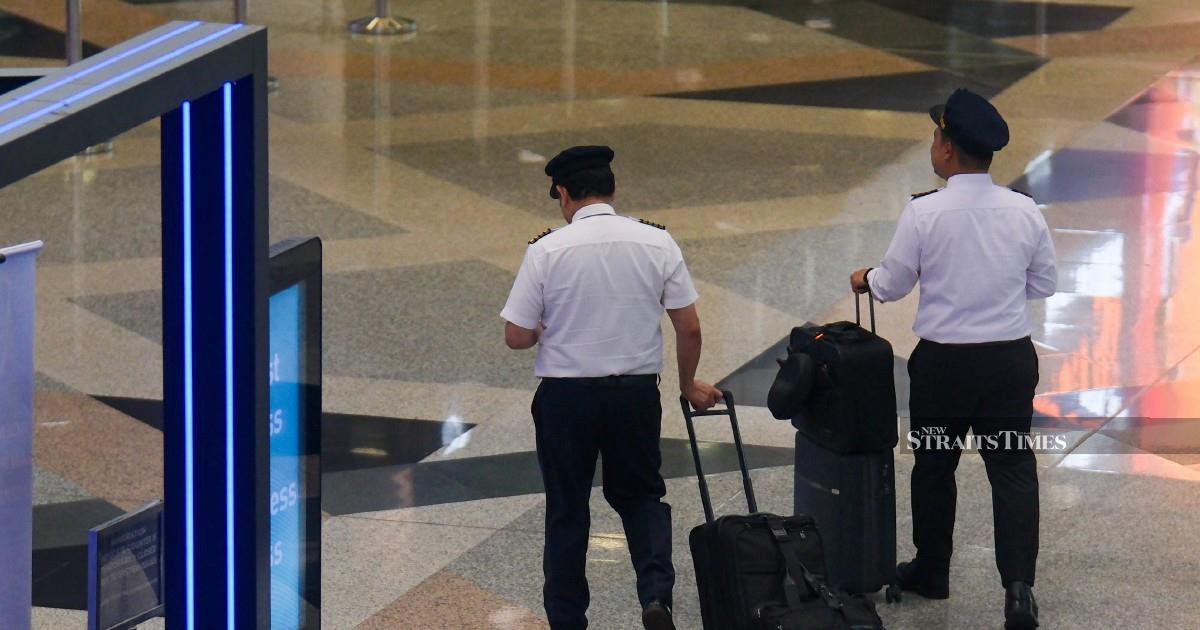
The arrest of a commercial pilot who was apprehended with narcotics following his arrival in Indonesia has prompted Malaysia Corruption Watch to take a broader view of the incident, arguing that authorities should use the case as an opportunity to strengthen airport security protocols rather than engaging in jurisdictional disputes. The watchdog organisation released a statement emphasising that the investigation ought to examine systemic vulnerabilities in security arrangements at Kuala Lumpur International Airport, the nation's premier aviation hub and a critical gateway for international travel.
Malaysia Corruption Watch contends that focusing narrowly on determining which agency bears responsibility for the oversight represents a missed opportunity for meaningful reform. Instead, the organisation advocates for a comprehensive audit of how contraband manages to evade detection at one of Southeast Asia's busiest airports, where millions of passengers transit annually. The group's position reflects growing concern among transparency advocates that institutional finger-pointing often displaces substantive action on systemic problems that enable misconduct.
The incident itself underscores the potential gaps in KLIA's multi-layered security framework. Kuala Lumpur International Airport employs various screening mechanisms, from standard baggage checks to intelligence-led inspections, yet the pilot's case demonstrates that these measures do not form an impenetrable barrier. Understanding precisely how narcotics passed through these checkpoints becomes critical for improving detection capabilities and training protocols across the airport's security workforce.
For Malaysia, which has positioned itself as a responsible actor in the global fight against drug trafficking, the implications extend beyond operational efficiency. The country's reputation as a transit hub depends partly on the perception that authorities maintain rigorous controls over contraband movement. Any suggestion that KLIA's security architecture contains exploitable weaknesses could undermine confidence among international partners and potentially invite increased scrutiny from overseas law enforcement agencies monitoring drug flows through Southeast Asia.
The call from Malaysia Corruption Watch also highlights the institutional tensions that sometimes impede security improvements. When agencies prioritise defending their operational record over acknowledging system-wide deficiencies, investigations can stall in bureaucratic cycles rather than yielding actionable reforms. The watchdog's emphasis on moving beyond blame reflects a pragmatic understanding that accountability, while important, should not come at the expense of concrete enhancements to airport security measures.
Pilots occupy a particular position within aviation security frameworks. Commercial flight crew members maintain access to restricted areas and regularly transport goods through airports, which theoretically grants them knowledge of blind spots in security procedures. If a pilot successfully conveyed contraband through KLIA's checkpoints, this raises uncomfortable questions about whether security personnel received adequate training to scrutinise crew members with the same diligence applied to ordinary passengers, or whether familiarity with trusted staff created complacency.
Malaysia's engagement with international narcotics control bodies has long emphasised the need for modern enforcement technologies and comprehensive staff vetting. The KLIA situation provides an empirical test of whether these commitments have translated into practice. A thorough investigation into security lapses could either validate existing protocols or identify training gaps, procedural weaknesses, or technological blind spots that require urgent remediation.
The broader regional context matters as well. Southeast Asia remains a major conduit for drug trafficking operations, with criminals continuously adapting tactics to circumvent border controls. Ports, airports, and land crossings across the region face similar pressures, and lessons learned from investigating the KLIA incident could benefit neighbouring countries wrestling with comparable challenges. Information-sharing on security vulnerabilities strengthens collective capacity to combat transnational crime.
Malaysia Corruption Watch's intervention suggests that civil society organisations increasingly see merit in steering investigations toward systemic analysis rather than becoming entangled in inter-agency accountability disputes. This approach recognises that security improvements benefit public safety more directly than institutional recriminations. Whether authorities heed this counsel will signal whether Malaysia remains committed to transparency-led governance or retreats into defensive posturing when operational failures surface.
The investigation into the pilot's arrest presents an inflection point for KLIA's security framework. If investigators accept Malaysia Corruption Watch's guidance and conduct a searching examination of how contraband transited the airport, the outcome could yield tangible enhancements to screening procedures, technology deployment, and staff training. Conversely, if the probe concludes with accusations against individual officers or agencies without addressing underlying system design, the airport will remain vulnerable to similar breaches, and public confidence in security arrangements will erode further.
Moving forward, KLIA management should consider commissioning an independent security audit alongside any official investigation, deploying external expertise to identify vulnerabilities that internal reviews might overlook. Such transparency, while potentially exposing uncomfortable gaps in current operations, would demonstrate a serious commitment to the overarching objective of preventing narcotics trafficking through Malaysian airspace. The pilot's case offers a valuable diagnostic window; authorities must resist the temptation to close it prematurely through bureaucratic blame assignment.

