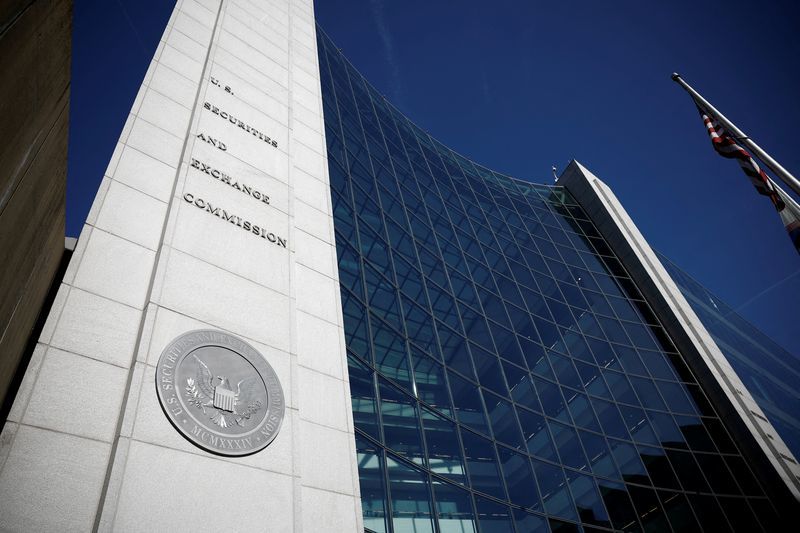
The U.S. Securities and Exchange Commission has brought insider trading charges against Jason Satsky, who formerly served as co-head of Americas power and renewable energy banking at Bank of America, alleging he disclosed material nonpublic information about a pending corporate transaction to a personal acquaintance. The case centres on Satsky's alleged disclosure in late 2021 regarding the impending acquisition of South Jersey Industries, an energy holding company for which Bank of America was providing advisory services. According to the SEC's filing, this breach of confidentiality enabled the recipient to accumulate substantial equity positions and realise approximately $18.5 million in unlawful profits when the transaction was publicly announced.
The alleged recipient of the tip was Gavin Wolfe, the founder and operator of Evergreen Capital, with whom Satsky had maintained a personal and professional relationship spanning more than two decades. Regulatory documents indicate that Wolfe acquired in excess of 2.2 million shares in the South Jersey Industries parent company, representing an investment of roughly $53 million. Upon the announcement of the $8.1 billion acquisition on February 24, 2022, Wolfe's position appreciated by 36 percent, translating into the substantial windfall that the SEC now characterises as proceeds of unlawful trading.
The manner in which the alleged tipoff occurred provides insight into how sensitive information can be exchanged in elite financial circles. According to the SEC's complaint, Satsky and Wolfe engaged in multiple communications regarding the prospective acquisition, including during a social occasion at Madison Square Garden where the two men and their wives attended a college basketball game between Duke and Kentucky. The meeting took place in a luxury suite that Satsky had access to through his employer, illustrating how informal networking environments can become settings for potential violations of securities law. This mixing of personal socialising with business intelligence exemplifies the opacity that regulators have long sought to curtail.
The SEC is pursuing comprehensive remedies against both defendants. The enforcement action seeks the disgorgement of all profits obtained through the unlawful trading, along with the imposition of civil monetary penalties and potential bans from serving as officers or directors of public companies. Such measures represent standard regulatory tools designed not only to punish securities law violations but also to deter future conduct of this nature. The breadth of the SEC's requested relief underscores the severity with which the agency views breaches of fiduciary duty and the protection of material nonpublic information.
Both Satsky and Wolfe have categorically rejected the allegations levelled against them. Through his legal counsel, Robert Anello, Satsky has asserted that he did not provide Wolfe or any other party with material nonpublic information pertaining to South Jersey Industries, stating that he remains confident that the factual record will vindicate his conduct. Wolfe's attorney, Reed Brodsky, has similarly issued a blanket denial, characterising the allegations as baseless and pledging vigorous defence against the charges. Notably, Brodsky has further contended that the SEC has overlooked sworn testimony and documentary evidence demonstrating that Wolfe's acquisition of South Jersey shares stemmed from an independent and lawful investment analysis rather than reliance upon inside information.
The professional histories of the two men reveal a long-standing connection within the energy banking sector. Prior to joining Bank of America in 2012, both individuals worked in power and renewable energy banking, with Wolfe having held a senior position at Credit Suisse before making the transition. Following his departure from Bank of America, Wolfe established Evergreen Capital, which operates as a vehicle for managing family investment assets. This shared background and sustained professional relationship may provide context for how the alleged information transfer occurred, though it does not address the fundamental question of whether such an exchange took place.
From an institutional perspective, Bank of America itself has not faced accusations of impropriety or systemic failure. The financial institution has confirmed that Satsky no longer maintains an employment relationship with the firm, noting that his termination occurred in March 2025. The bank's swift action in severing ties with Satsky following the SEC investigation suggests an effort to distance itself from the alleged misconduct and to demonstrate to regulators and investors its commitment to compliance and ethical conduct. This posture is typical of major financial institutions confronted with allegations of employee misconduct.
The case carries implications extending beyond the immediate parties involved. Insider trading prosecutions within the investment banking sector receive heightened scrutiny given the sensitive nature of merger and acquisition advisory work, where bankers routinely possess non-public information that could materially affect security prices. The SEC's aggressive pursuit of this matter reflects ongoing institutional determination to police information barriers designed to prevent unfair trading advantages. For multinational firms operating in regions like Southeast Asia and Malaysia, where cross-border capital flows and energy sector investments are increasingly significant, such enforcement actions serve as reminders of the extraterritorial reach of American securities law.
The factual allegations, if proven, illustrate vulnerabilities in information control mechanisms within financial institutions. Despite robust compliance frameworks designed to contain material nonpublic information, personal relationships and informal social settings can create pathways for inadvertent or intentional disclosures. The purported exchange of information during a public sporting event at a renowned venue demonstrates that violations need not occur within office walls or through electronic communications to constitute securities fraud. This reality underscores the complexity of addressing insider trading in an era of ubiquitous communication and extensive personal networking among financial professionals.
As the case progresses through the regulatory and potentially judicial system, attention will likely focus on the evidentiary strength of communications records, testimony from third parties, and the temporal relationship between alleged disclosures and trading activity. The defendants' assertion that investment decisions were independently motivated rather than tip-driven places significant burden on the SEC to establish the causal chain between information disclosure and trading execution. The outcome will carry precedential weight for how regulators characterise conversations between long-standing professional contacts and assess the sufficiency of circumstantial evidence in establishing insider trading violations.

