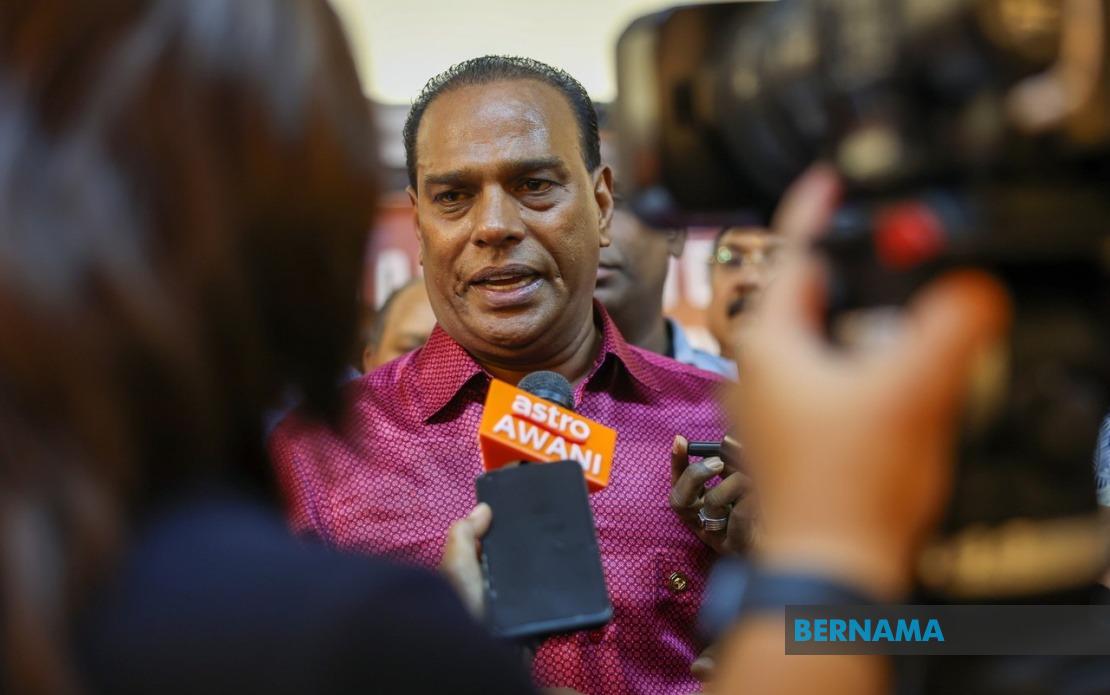
Former Human Resources Minister Datuk Seri M. Saravanan faces charges at the Sessions Court tomorrow in connection with an investigation into foreign worker recruitment that occurred during Malaysia's COVID-19 lockdown period in 2022. The Tapah MP and MIC deputy president made the announcement through a video statement released to media, acknowledging his intention to appear before the court and proceed with legal proceedings.
The case stems from allegations contained in a third-party statement that implicated Saravanan in decisions surrounding the hiring of foreign workers during the height of the pandemic, a period when Malaysia maintained strict restrictions on labour movement and employment. The original allegation traced back to an individual who has since passed away two months ago, complicating the prosecution's ability to rely on direct testimony from the accuser.
In a significant development, the individual who initially made the statement against Saravanan subsequently filed a Statutory Declaration withdrawing those allegations before their death. This withdrawal raises important questions about the strength of the prosecution's case and whether the charges can proceed effectively without the primary witness available for cross-examination. Saravanan's legal team is expected to highlight this complication during court proceedings.
Saravanan has vehemently denied any wrongdoing, emphasising that he never contacted or maintained any communication with the individual making the allegations, either by telephone or messaging services. His defence rests on the assertion that no direct relationship existed between himself and the accuser, thereby undermining the credibility of linking him to the alleged impropriety. The former minister's categorical denial positions this as a case of mistaken identity or deliberate false attribution.
The Malaysian Anti-Corruption Commission announced the charges through a formal media invitation issued on 27 August, signalling the official nature of the prosecution. Saravanan is expected to face allegations under Section 16 of the MACC Act 2009, which encompasses the solicitation, receipt, provision, promise, or offer of bribes. This specific charge suggests investigators believe monetary or material consideration was involved in the alleged foreign worker hiring arrangements.
During the pandemic, Malaysia's approach to foreign worker policies became increasingly contentious, with concerns about enforcement, transparency, and compliance with immigration regulations. The government faced mounting criticism regarding companies that appeared to circumvent employment restrictions through various mechanisms. Allegations that a sitting minister facilitated such arrangements would have represented a significant breach of governance standards during a period requiring heightened scrutiny of labour practices.
Saravanan's commitment to expediting the trial without unnecessary delays demonstrates his confidence in his legal position and desire for swift resolution. His legal team plans to file an application for accelerated proceedings, suggesting they believe the case can be quickly resolved through proper judicial scrutiny. This approach may reflect a strategy to minimise reputational damage through rapid adjudication rather than prolonged proceedings.
The case carries considerable political implications for both the Malaysian Indian Congress and the broader coalition government, given Saravanan's position as deputy president of the party. Any conviction could damage the party's standing and complicate its political positioning ahead of future electoral contests. The opposition has been monitoring developments closely, viewing the prosecution as an opportunity to criticise ministerial accountability within the ruling coalition.
The withdrawal of allegations by the original accuser presents a significant defence advantage. Malaysian courts typically scrutinise cases lacking credible direct evidence or where primary witnesses have recanted their statements. The fact that the individual passed away after withdrawing the allegations eliminates any possibility of prosecution testimony clarifying their initial motivations or the circumstances surrounding the retraction.
Median observers note that the foreign worker hiring issue during the pandemic reflected systemic pressures within Malaysia's employment system, where labour shortages created incentives for both employers and officials to overlook regulatory requirements. However, individual accountability remains essential for maintaining public trust in governance institutions. The outcome of Saravanan's case could influence how authorities pursue similar investigations involving other government figures or corporate entities.
The case underscores ongoing tensions between Malaysia's anti-corruption enforcement efforts and the evidentiary challenges inherent in prosecuting high-profile political figures. The MACC's decision to proceed despite the accuser's death and statement withdrawal suggests confidence in supplementary evidence or witness testimony. Nevertheless, the court must weigh these materials carefully against the defence's arguments regarding inconsistency and the reliability of allegations from a deceased individual who formally retracted their claims.

