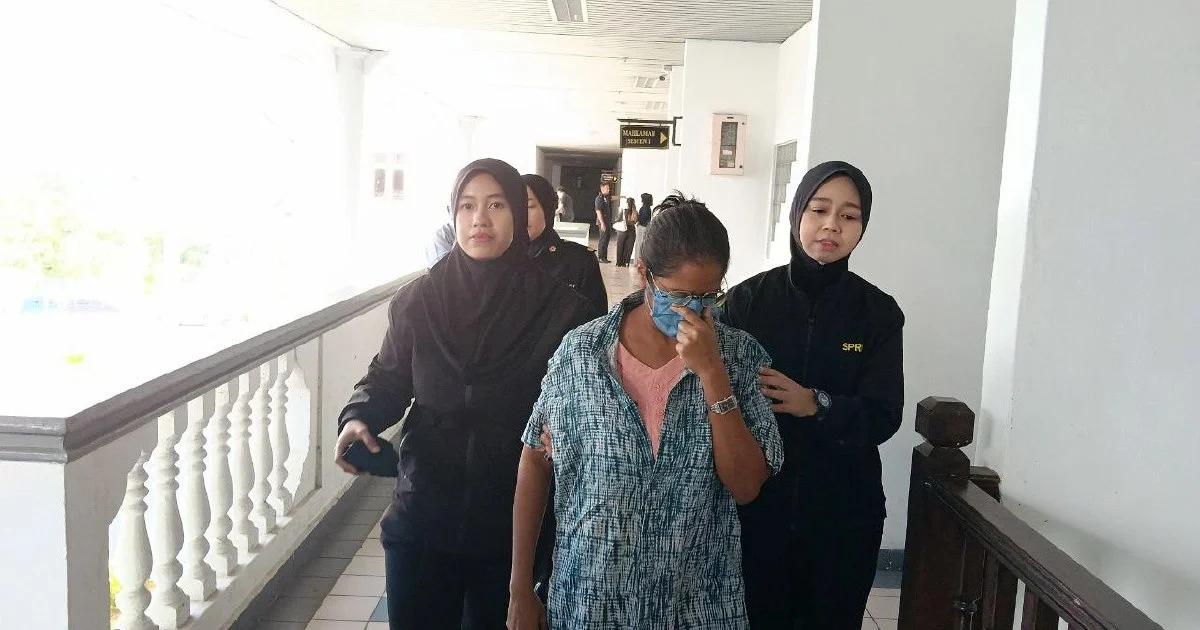
A former senior civil servant from Melaka's state administration appeared before the Ayer Keroh Sessions Court to answer seven separate criminal charges related to the misappropriation of public funds and fraud affecting state executive council members. The alleged misconduct involved sums exceeding RM60,000, marking a significant breach of public trust within the state's bureaucratic ranks.
The case underscores growing concerns about financial accountability within state civil service operations across Malaysia. Senior administrative officials occupy positions of considerable authority over government resources and purchasing processes, making the integrity of their conduct crucial to maintaining public confidence in state institutions. When such officials are implicated in financial impropriety, the ramifications extend beyond individual culpability to reflect on the effectiveness of oversight mechanisms within the state apparatus itself.
Misappropriation charges represent one of the most serious allegations levelled against public servants, as they involve the deliberate diversion of government funds from their intended purpose. In this instance, the charges encompass multiple instances of such conduct, suggesting a pattern rather than isolated lapses in judgment. The involvement of executive council members—senior political appointees responsible for oversight—indicates the breach occurred at a level where proper checks should theoretically have been in place.
The cheating charges compound the severity of the allegations, as they indicate deliberate deception was employed in the alleged scheme. This distinction matters legally and practically, as it demonstrates intention rather than mere negligence or administrative error. Deception mechanisms often involve falsified documentation, fabricated invoices, or misrepresented transactions designed to obscure the diversion of funds from legitimate state purposes.
Melaka, as one of Malaysia's smaller states with a population of approximately 1.9 million, has nonetheless encountered periodic issues with financial management and administrative integrity. This case reflects broader systemic challenges that states across Malaysia face in maintaining robust internal control systems, particularly in departments handling significant procurement budgets or asset management responsibilities. The state's relatively compact administration sometimes creates complacency regarding oversight, as informal relationships between officials can blur professional boundaries.
The Ayer Keroh Sessions Court jurisdiction over this matter places it firmly within the serious crime category, distinguishing it from lesser misdemeanour charges that might be handled in magistrates' courts. Sessions courts typically handle offences carrying imprisonment sentences exceeding two years, suggesting the prosecution anticipates substantial custodial time if the accused is convicted. This classification reflects the seriousness with which Malaysian courts treat breaches of public trust.
For Malaysian readers, this case serves as a reminder that public sector accountability mechanisms, while imperfect, do function to bring officials to account. The fact that charges have been filed and prosecuted indicates that detection and investigation capabilities exist within state governments, even if they may not prevent all instances of misconduct. Many similar cases go undetected for extended periods, making public prosecution of identified cases symbolically important for demonstrating that position and rank do not exempt individuals from legal consequences.
The implications extend to questions about recruitment, training, and ethical frameworks within state civil services. How did someone in a senior position allegedly feel emboldened to engage in systematic misappropriation? Were red flags missed by supervisory structures? Did the organisation lack adequate audit trails and reconciliation procedures? These broader questions often emerge when civil servants are charged with financial crimes, prompting states and federal authorities to review their internal control architectures.
The mention of executive council members as victims is particularly significant, as it indicates the alleged fraud targeted the state's highest levels of administration. This suggests the accused occupied a position with considerable access to financial processes and decision-making authority. Executive councils rely heavily on information and recommendations from senior civil servants, potentially making them vulnerable to sophisticated schemes presented with official documentation and procedural legitimacy.
For Southeast Asian observers, Malaysia's approach to prosecuting public sector corruption reflects the region's variable commitment to tackling institutional graft. Unlike some neighbouring jurisdictions where similar cases might face political interference or administrative discretion in prosecution, Malaysia's charging and prosecution of civil servants, while still limited in scope, demonstrates functioning institutional pathways for accountability. However, conviction rates and sentence severity remain areas where Malaysia continues to face scrutiny from transparency advocates.
The RM60,000 figure, while substantial, remains relatively modest compared to some of Malaysia's more notorious public sector corruption cases. This may represent the tip of a larger scheme, or it may reflect the scope of what could be proven through available documentation and evidence. Investigators typically charge only offences they believe can be successfully prosecuted, suggesting the evidence underlying these seven counts is reasonably robust.
The judicial process unfolding at Ayer Keroh will likely take considerable time, with pre-trial procedures, disclosure of evidence, and potentially multiple hearing dates stretching the proceedings over months or years. During this period, public focus on the case will likely diminish unless new details emerge or if the accused's status within the civil service becomes politically contentious. Nonetheless, the case stands as a documented instance of formal accountability within Malaysia's public administration system.

