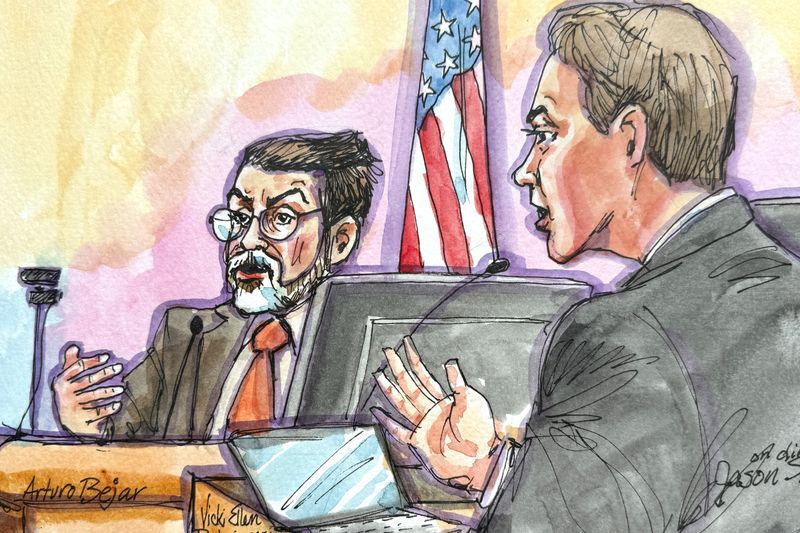
In a pivotal development for one of the most significant legal challenges to social media's influence on youth welfare, Arturo Bejar, a former engineering director at Meta Platforms, returned to the witness stand on Wednesday to continue his testimony in a federal trial reshaping the landscape for Facebook and Instagram. Bejar's appearance represents a critical moment in the multi-state lawsuit, as he serves as the opening witness for the prosecution and brings detailed insider knowledge of Meta's handling of child safety concerns during his tenure with the company.
Bejar's professional relationship with Meta spans over a decade of intermittent engagement. He initially worked at the company from 2009 until 2015 in a full-time capacity before returning as an independent contractor between 2019 and 2021. During his latter period at the technology giant, he played a central role in directing research initiatives examining teenage wellbeing on Instagram, positioning him as a uniquely informed observer of how the company monitored and responded to potential harms affecting young users. His decision to publicly criticise Meta's handling of child safety issues has made him an indispensable figure in the states' legal strategy.
The trial, unfolding at the federal courthouse in Oakland, California, represents a watershed moment in regulatory efforts to hold social media platforms accountable for their effects on adolescents. Four states—California, Colorado, Kentucky, and New Jersey—have brought the primary allegations, which centre on claims that Meta deliberately engineered its platforms with addictive mechanisms targeting minors, made misleading public statements about safety protections, and unlawfully harvested personal data from children under thirteen years of age. Additionally, twenty-nine other states have joined the litigation specifically to pursue federal law violations related to data collection and misuse involving minors.
During his testimony, Bejar outlined significant deficiencies in Meta's internal monitoring systems, drawing particular attention to fundamental gaps between what the company officially reported about content violations and the actual experiences of harm reported by young users themselves. His criticisms extend beyond mere policy compliance; he characterised Meta's surveillance infrastructure as fundamentally misdirected, measuring the prevalence of policy-violating content rather than its actual capacity to cause psychological or emotional damage to vulnerable adolescent users. This distinction proved crucial to his argument, as it suggests Meta possessed awareness of potential harms yet chose to prioritise metrics that downplayed their significance.
Bejar presented documentary evidence of his concerns being communicated directly to Meta's leadership hierarchy, including a substantive email directed to Chris Cox, the company's chief product officer. In this correspondence, Bejar highlighted a troubling disparity between the prevalence metrics Meta was reporting publicly and the substantially higher rates of harm that internal research indicated young people were actually experiencing. His testimony to the jury articulated a particularly potent concern: teenagers were encountering harmful experiences at what he characterised as extraordinarily elevated rates, information that he suggested any parent would have deemed essential to their decisions about permitting their children's platform use.
Meta's formal response to these allegations maintains that the states' claims are fundamentally without merit. The company has steadfastly denied the accusations and positioned itself as maintaining robust protections for teenage users of its platforms. Additionally, Meta mounted a procedural challenge against Bejar himself, arguing that certain opinions he might express during testimony fall outside the legitimate scope of his former employment at the company. The company also attempted to discredit his testimony by claiming he had inadequately preserved evidence, specifically citing his deletion of communications conducted through the Signal encrypted messaging application with other former Meta employees. Meta referenced comments Bejar made in an ongoing separate trial in Tennessee to support this argument.
These efforts to exclude Bejar met decisive rejection from U.S. District Judge Yvonne Gonzalez Rogers, who is overseeing the Oakland proceedings. The judge characterised Meta's bid to eliminate his testimony as a long-shot tactical manoeuvre, effectively validating the significance of his insider perspective for the trial's substantive questions. Her ruling allows Bejar's testimony to proceed unimpeded, a development that substantially strengthens the states' evidentiary position and signals the court's confidence in his credibility and relevance as a witness.
Bejar's role in this proceeding reflects a broader pattern of legal accountability extending well beyond this single trial. Meta currently faces thousands of similar lawsuits alleging harm to children across various jurisdictions. Bejar has already provided instrumental testimony in three cases that have proceeded to trial, establishing himself as Meta's most persistent and credible internal critic within the legal system. One such case, originating from New Mexico, culminated in a substantial judgment against Meta totalling nine hundred and forty-two million dollars in damages and penalties, along with mandatory platform modifications required specifically within that state. These precedents underscore the stakes involved in the Oakland proceedings and the broader implications for Meta's operations and corporate liability exposure.
Bejar's public opposition to Meta's practices extends beyond courtroom testimony. In 2023, he appeared before a United States Senate committee investigating social media's societal effects, where he made damning statements regarding Meta's alleged knowledge of harassment, exploitation, and other harms occurring on its platforms while simultaneously failing to implement adequate remedial measures. His willingness to serve as a persistent critic across multiple institutional forums—legislative, judicial, and public—has established him as perhaps the company's most significant internal whistleblower and a pivotal figure in the evolving regulatory and legal scrutiny of Meta's business practices.
The broader context of this trial carries substantial implications for the technology sector and digital platforms' regulatory environment globally. Southeast Asian and Malaysian regulators, investors, and civil society organisations monitoring this litigation recognise that precedents established here will likely inform future policy discussions regarding platform responsibility for child safety. The trial's anticipated six-week duration ensures sustained media and regulatory attention, with potential findings positioning young people's protection as a central consideration in future platform design and governance decisions. The outcome may meaningfully reshape how Meta and comparable social media companies must balance engagement metrics with demonstrable safeguards protecting vulnerable user populations from psychological and physical harm.

