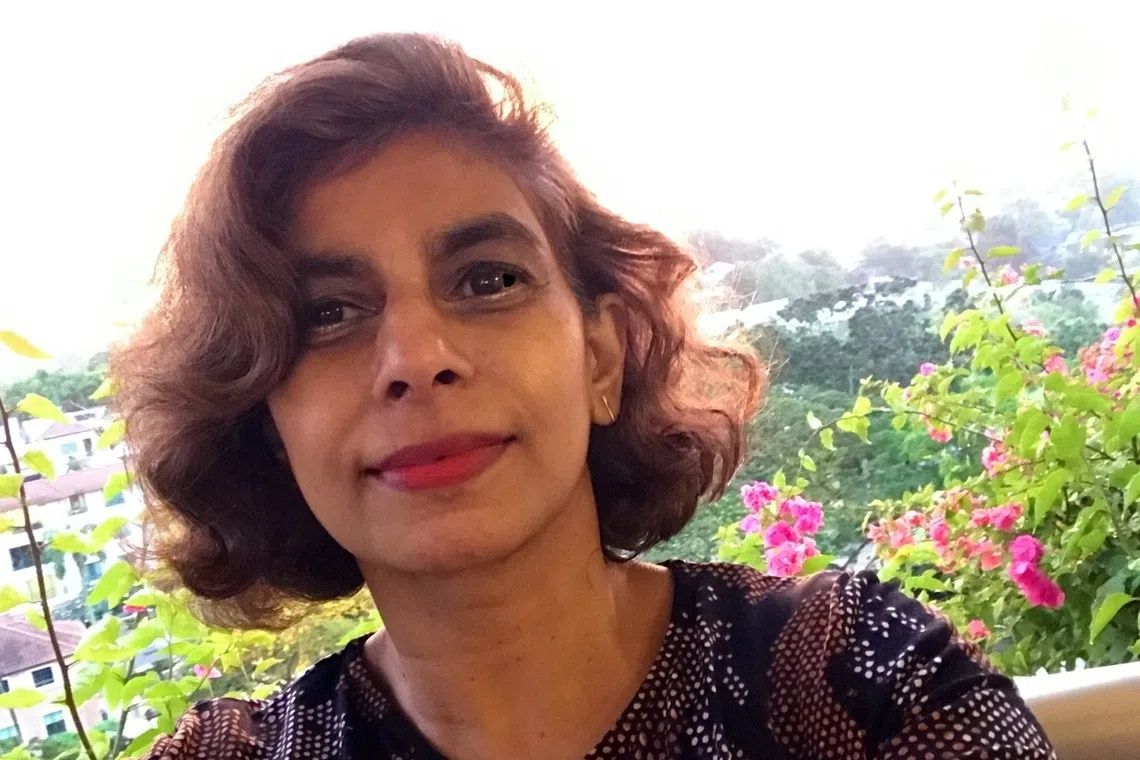
A former Singapore television journalist has secured release from custody following a bail review hearing, marking a potential turning point in her legal proceedings after an extended period in remand. Haseenah Koyakutty, aged 57, was granted a personal bond of S$5,000 during the court hearing on August 5, with both prosecution and her defence counsel supporting the application. The development comes after the 57-year-old spent more than five months in remand facing a slate of criminal allegations that have drawn attention to the intersection of media freedom and public order in the city-state.
The prosecution's decision not to object to her release reflects the lengthy period she has already spent in custody awaiting trial. Prosecutors acknowledged that Koyakutty had completed more than five months and seven days in remand before presenting the case for a personal bond arrangement to the court. Her defence lawyer, Sunil Sudheesan, voiced support for the bail review application, and the presiding judge concurred with the recommendation. This coordinated approach between legal teams suggests movement towards resolving the procedural aspects of her detention, even as the substantive charges remain unresolved.
The case itself presents a complex picture of alleged violations spanning different jurisdictions and timeframes. According to court documentation, Koyakutty had previously been released on bail between May 2023 and May 2025, but the prosecution alleged she failed to meet the conditions imposed on her release. Most significantly, she reportedly did not report to the investigation officer as required, a breach that apparently precipitated her return to remand and the subsequent five-month detention.
Koyakutty currently faces six distinct charges, with one of the more notable allegations involving comments she allegedly made on December 17, 2025, at Takashimaya Shopping Centre. According to charge sheets, her remarks were characterised as insulting words intended to cause alarm to others, with the statements reportedly relating to Singapore's Chief Justice. This charge falls under the Protection from Harassment Act, and conviction carries potential penalties of up to six months imprisonment, a fine of up to S$5,000, or both.
The criminal trespass allegations form another significant component of her legal troubles. She faces accusations of unlawfully entering and remaining within Shangri-La Hotel in 2023, and more recently of committing a similar offence in May 2025 when she allegedly trespassed on a property located in the Bukit Timah area. Criminal trespass convictions in Singapore carry sentences of up to three months imprisonment, fines up to S$1,500, or both. The pattern of alleged trespass incidents across multiple locations and extending over a two-year period suggests a consistent pattern of conduct that authorities view as problematic.
Additional charges relate to procedural matters within the investigation process itself. Koyakutty stands accused of refusing to sign police statements that she purportedly made in April 2023 and again in June 2025. Such refusals to acknowledge or authenticate statements provided during police investigations constitute a separate category of offence and add further complexity to her legal jeopardy.
Koyakutty's professional background adds context to the case, though it does not bear directly on the charges. She worked as a broadcast journalist during the 1990s with the then Television Corporation of Singapore, subsequently advancing to become the Indonesia bureau chief for Channel NewsAsia, a regional news outlet. In later career phases, she held a position as a visiting public diplomacy fellow at the Institute of Defence and Strategic Studies at Nanyang Technological University. Her trajectory through Singapore's media and academic institutions contrasts sharply with her current legal predicament.
The scheduling of a pre-trial conference for September 1 indicates that the judicial process is moving toward substantive hearing of the charges, though the personal bond arrangement suggests the court has determined that continued remand is not warranted at this stage. The balance between ensuring her appearance at trial and respecting the presumption of innocence appears to have shifted toward the latter consideration, given the prosecution's acceptance of bail.
For observers across Southeast Asia, the case raises broader questions about the treatment of former media professionals within Singapore's legal framework. The combination of harassment and trespass allegations against someone with a journalism background invites scrutiny regarding the boundaries between legitimate public expression and conduct deemed to cross into criminality. While Singapore maintains a developed legal system with clear statutes governing these matters, cases involving media figures inherently attract closer examination of the application of such laws.
The implications for Malaysia and the wider region relate to how different jurisdictions balance civil liberties against public order concerns. Singapore's approach—marked by clearly defined statutory offences and consistent application through its courts—presents a particular model that contrasts with approaches taken elsewhere in the region. The outcome of Koyakutty's pre-trial conference and subsequent proceedings may offer insights into how Singapore's courts weigh evidence in cases where professional journalists are involved in allegations that cross into harassment or criminal trespass territory.
Koyakutty's personal bond arrangement, while securing her temporary release, does not resolve the fundamental questions her case raises about accountability, evidence, and the scope of permissible conduct. The upcoming September 1 pre-trial conference will likely determine the timeline for full hearings on the substantive charges, though months or years may still elapse before final determination of her case.

