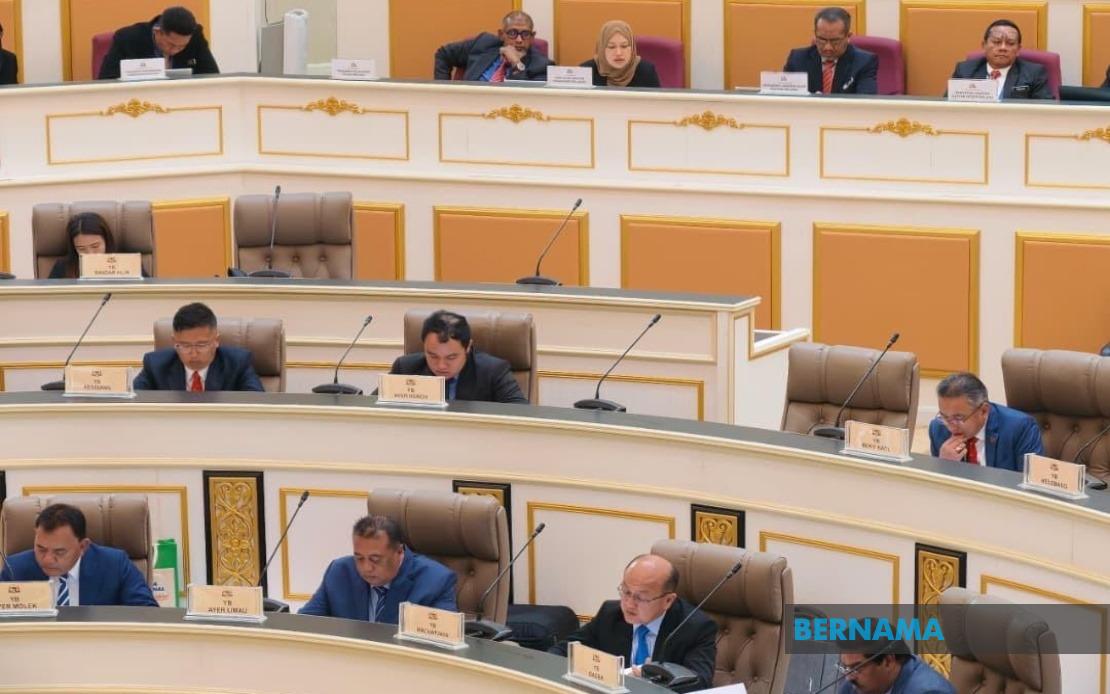
A significant political realignment unfolded in the Melaka State Legislative Assembly as four DAP assemblymen relocated to the opposition bloc on the closing day of the July sitting, signalling a deepening fracture in the state's coalition architecture. The seating change formally marked the culmination of the party's dramatic exit from the Barisan Nasional-led administration, which it had announced the previous day. The shift repositioned Allex Seah Shoo Chin from Kesidang, Low Chee Leong representing Kota Laksamana, Leng Chau Yen from Banda Hilir, and Kerk Chee Yee from Ayer Keroh alongside fellow opposition members from Perikatan Nasional and Independent lawmakers, fundamentally altering the composition of the state assembly's floor.
The constitutional trigger for this political upheaval centred on amendments passed by the assembly that would permit the appointment of nominated assemblymen to the chamber. Melaka DAP, under the stewardship of chairman Khoo Poay Tiong, framed the legislation as a fundamental violation of democratic principles and electoral integrity. The party contended that allowing unelected representatives to sit in the assembly undermined the legitimacy of popular mandate and represented a dangerous precedent for future governance. This principled stance, however contentious, became the formal justification for abandoning what had been a collaborative arrangement with the BN administration in the state.
The political fissure exposed the fragility of coalition politics in Melaka, where Pakatan Harapan had negotiated its way into government through an alliance with BN. The state's governance structure had depended on maintaining sufficient numbers to support the administration, and the sudden withdrawal of four votes represented a material loss of legislative strength. The move illustrated how disagreements over institutional design and democratic norms could rapidly destabilise governing coalitions, particularly in states where majorities operate on narrow mathematical margins.
Notably, Adly Zahari, the sole representative from Parti Amanah Negara and chairman of the Melaka Pakatan Harapan coalition, adopted a contrasting position by remaining seated in the government bloc. This divergence between DAP and Amanah, despite both being Pakatan Harapan component parties, underscored the complexity of managing multi-party coalitions. Zahari's decision to maintain support for the government, even as his coalition partners withdrew, suggested different calculations regarding political strategy and the relative priority placed on institutional concerns versus administrative continuity. The split also highlighted the challenges of maintaining party discipline and unified messaging within broader electoral coalitions, a persistent tension in Malaysian coalition politics.
Prime Minister Datuk Seri Anwar Ibrahim had attempted to forestall the rupture by urging Melaka DAP to postpone its withdrawal decision, appealing for the party to prioritise development initiatives and public welfare programmes over constitutional objections. Ibrahim's intervention reflected the federal government's investment in maintaining the Melaka administration and its broader coalition architecture. The appeal, however, proved unsuccessful in swaying DAP's resolve, indicating that the party's leadership had determined that accommodating the constitutional amendments would impose unacceptable political costs, both organisationally and in terms of public credibility.
Assembly Speaker Datuk Ibrahim Durum endeavoured to maintain procedural standards during the transition, issuing statements emphasising the importance of orderly conduct and adherence to house rules as assemblymen adjusted their physical positioning within the chamber. The speaker's role in overseeing this technical reorganisation underscored how even routine administrative matters in parliamentary settings carry political significance and require careful management to preserve institutional dignity.
The implications of this development extend beyond Melaka's immediate political configuration. The episode demonstrated how constitutional amendments ostensibly concerning technical matters of representation could trigger broader coalitional crises. The principle underlying DAP's objection—that legislative chambers should primarily comprise elected representatives accountable to constituencies—resonates across Malaysian political discourse, where questions of democratic legitimacy frequently surface. The appointed nominee system, common in various Malaysian legislative bodies, remains contested among parties emphasising electoral accountability and democratic governance.
For opposition politics in Melaka, the DAP assemblymen's relocation strengthened the combined opposition contingent, though the arithmetic of state assembly politics meant this advantage remained modest. The configuration created a scenario where the government retained sufficient numbers to govern but operated with reduced margins for legislative manoeuvre, potentially complicating passage of bills or the implementation of certain executive initiatives. This constraint could influence the types of policies pursued or compromise arrangements negotiated with remaining coalition partners.
The event also illuminated the divergent strategic orientations within Pakatan Harapan itself. While DAP emphasised constitutional principle and democratic purity in justifying its withdrawal, the Amanah representative's continued support suggested a pragmatic preference for maintaining administrative capacity and government access over ideological consistency. Such internal coalition tensions, though often subdued, periodically surface in Malaysian politics and reflect genuine disagreements about priorities and governance philosophies among parties nominally aligned in electoral coalitions.
Looking forward, the Melaka configuration raises questions about coalition stability and the conditions under which partner parties tolerate fundamental disagreements on governance matters. The episode suggests that while electoral coalitions remain powerful organising forces in Malaysian politics, they rest on contingent rather than unconditional commitments, and that developments on apparently technical constitutional matters can rapidly unsettle carefully negotiated political arrangements. For observers tracking coalition dynamics across Malaysian states, Melaka's experience provides a cautionary illustration of how constitutional design intersects with practical political viability.

