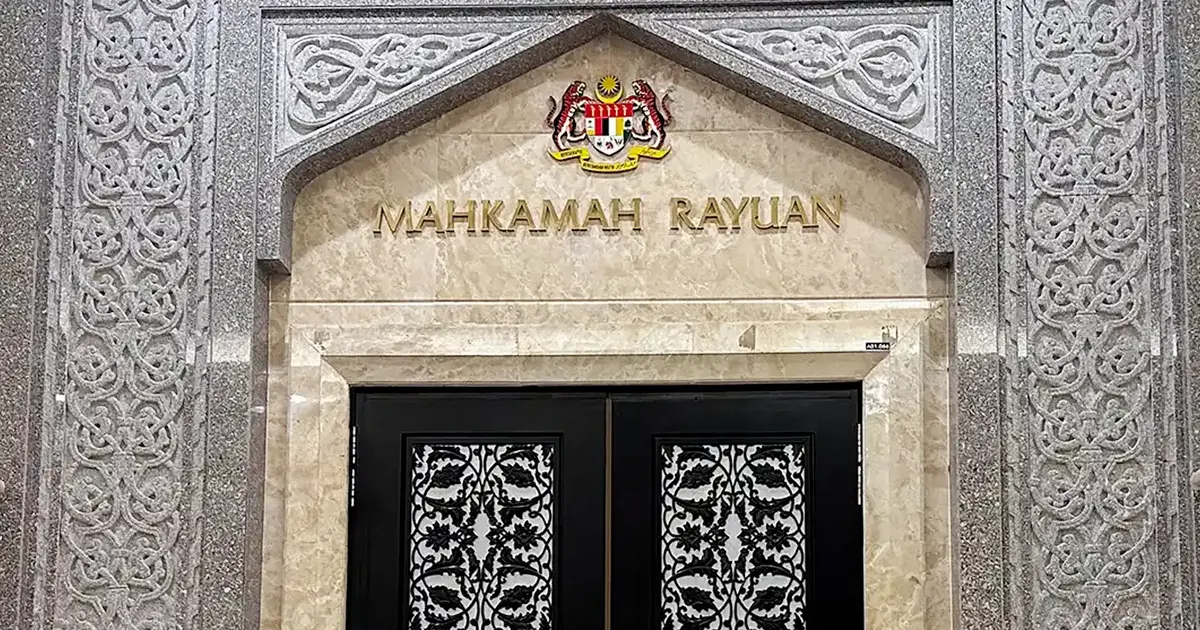
The Court of Appeal has dismissed a legal claim brought by four sisters seeking compensation for damage to their ancestral property in Pedas, determining that they failed to establish who was responsible for the alleged unauthorised trespass and drainage works. The ruling represents a significant setback for the family's efforts to protect their inherited land from what they contended was erosion caused by third-party interference with natural water drainage patterns on their property.
At the heart of this dispute lay a fundamental evidentiary challenge that ultimately proved insurmountable for the plaintiffs. The appellate court found that while the sisters had demonstrated that drainage works and trespass had occurred on their land, they could not sufficiently identify the specific individuals or entities responsible for carrying out these activities. This gap in establishing direct liability became the decisive factor in the judges' assessment, reflecting a rigorous application of civil law principles requiring clear proof of causation and responsibility in property damage claims.
The case highlights a recurring difficulty facing landowners in Malaysia when confronting erosion and environmental damage to their properties. Without either eyewitness testimony, documentary evidence such as contracts or permits, or credible identification of the wrongdoers, claimants struggle to meet the burden of proof required by courts. The sisters' inability to pinpoint who ordered, financed, or executed the drainage modifications left their case vulnerable to dismissal, despite apparent evidence of the works themselves and the resulting harm.
Erosion and land degradation present particular challenges in Pedas, a coastal-adjacent area in Perak where natural drainage patterns and soil stability can be significantly altered by human intervention. When external parties conduct unauthorised drainage works, they can redirect water flow in ways that destabilise neighbouring land, washing away topsoil and undermining property stability. Such scenarios are increasingly common across Malaysia as urban expansion and agricultural development encroach upon residential properties, yet proving causation and identifying perpetrators remains legally complex.
The ruling underscores the importance of immediate documentation and formal notification when property owners discover suspicious drainage modifications or trespass activities. Recording dates, photographing works in progress, securing witness statements, and promptly lodging police reports or written complaints with local authorities can substantially strengthen future legal claims. The sisters' case demonstrates that circumstantial evidence and the visible damage alone, while compelling, do not necessarily satisfy courts seeking clear evidence of specific wrongdoers and their actions.
For Malaysian property owners facing similar situations, the verdict carries cautionary implications. The decision suggests that courts will not infer responsibility based solely on the presence of damage and evidence of unauthorised works. Instead, claimants must actively trace the chain of causation back to identifiable parties, whether through financial trails, employment records, permits issued by local authorities, or direct witness accounts. This heightened evidentiary standard may inadvertently shield parties who execute clandestine works while leaving direct evidence insufficient to pursue them legally.
The case also raises questions about the role of local authorities in Pedas in monitoring and regulating drainage activities that affect residential properties. Municipal and district councils typically maintain records of drainage permits and approved infrastructure projects. Had the sisters accessed such documentation, they might have identified responsible parties or established that the works proceeded without proper authorisation. This procedural avenue, however, requires landowners to recognise the strategic advantage of investigating official records contemporaneously with discovering the damage.
Moreover, the outcome reflects broader tensions within Malaysia's property and civil law framework regarding environmental stewardship and neighbour liability. While the sisters bore the burden of proving wrongdoing, questions remain about the responsibility of parties conducting significant modifications to drainage systems that predictably affect adjacent properties. The court's decision, while legally sound in requiring identification of specific wrongdoers, may incentivise opacity among those conducting such works, knowing that if they remain unidentified, liability cannot attach to them.
The sisters may explore alternative remedies, including appeals to higher courts if new evidence emerges, or seeking administrative action from local authorities if the drainage works violated municipal regulations or planning conditions. Additionally, they could investigate whether any insurance coverage applies to environmental or property damage, though such policies typically require clear identification of the causative event and responsible party.
This decision carries significance extending beyond the immediate parties involved. It will likely be cited in future cases involving property damage from unauthorised works, establishing important precedent about the evidentiary thresholds required in such disputes. For the wider Malaysian community, it reinforces the necessity of vigilance in documenting and formally reporting any suspicious activities affecting one's property, creating an auditable record that courts can subsequently reference when assigning liability.
The Pedas case ultimately demonstrates that while the right to protect ancestral land remains foundational in Malaysian law, exercising that right effectively demands substantial foresight, documentation, and procedural engagement. For property owners throughout Malaysia, the lesson is clear: immediate, meticulous record-keeping when confronting potential trespass or unauthorised works can determine whether future legal action succeeds or fails.

