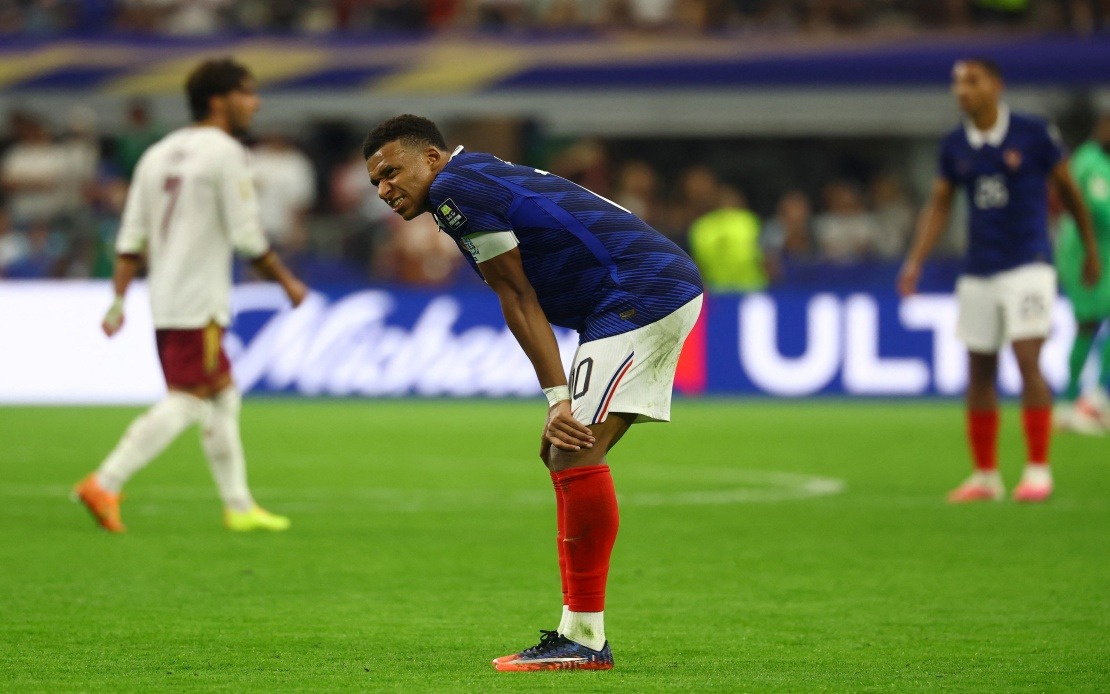
Law enforcement in France detained more than 160 individuals in the aftermath of the nation's 2-0 World Cup semifinal loss to Spain, with clashes erupting across multiple cities as disappointed supporters vented their frustration. The Paris Police Prefecture confirmed that 141 arrests took place throughout the greater Paris region alone, stemming from tumultuous scenes that unfolded on Tuesday evening as the final whistle sounded on France's tournament hopes.
The majority of those apprehended faced charges connected to the deployment of firework mortars, which witnesses reported being aimed deliberately at police officers and emergency responders who had mobilised to manage the crowds. This pattern of behaviour—using improvised pyrotechnics as weapons against law enforcement—has become an increasingly common flashpoint during major sporting events across Europe, reflecting underlying tensions between hardcore supporters and state authorities. French security officials noted that despite the chaotic nature of the incidents, fortunately no individuals sustained serious injuries during the disturbances, though the potential for escalation had clearly been present.
Parallel disturbances unfolded in Lyon, where several hundred spectators had congregated at the iconic Place Bellecour to experience the match collectively. The ancient plaza, one of Europe's largest open squares, transformed into a flashpoint as Spain's victory became apparent and the emotional disappointment turned volatile. Smaller clusters of agitated supporters began forming throughout the gathering, and within these groups, individuals started hurling various projectiles, including explosive fireworks, in the direction of deployed police personnel attempting to maintain order.
The French riot police, trained specifically for crowd control operations, moved decisively to suppress the disturbances in Lyon, resulting in approximately 20 arrests connected to the chaos in the city. Local authorities conducted thorough assessments following the incidents and reported encouraging findings: no injuries were sustained and no significant property destruction occurred, suggesting that the intervention strategies employed managed to curtail what could have developed into far more destructive confrontations.
Analysis of the detainees revealed a significant demographic pattern, with those arrested reportedly born between 2002 and 2011, indicating that a substantial portion were teenagers and young adults in their early twenties. This age bracket has become increasingly prominent in post-match disorder incidents across European football, raising questions about how digital connectivity, social media mobilisation, and youth culture intersect with football-related violence. The participation of younger individuals in such incidents often reflects broader social dynamics and disaffection beyond the sporting context itself.
France's semifinal elimination represented a major disappointment for a nation with significant investment in World Cup success. The 2-0 scoreline left no ambiguity and eliminated any hope of a remarkable comeback, intensifying the emotional letdown that manifested in the streets. For Malaysian observers and regional football enthusiasts, such incidents serve as a reminder of the intensity with which football—particularly at the World Cup level—generates passion and occasionally triggers destructive social behaviour across even the world's wealthiest democracies.
The response by French security services, coordinating between Paris and provincial cities, demonstrated the capacity of European law enforcement to contain disorder through rapid deployment and targeted interventions. The relatively low injury count despite the scale of arrests suggests that authorities calibrated their response to prevent escalation without resorting to heavy-handed tactics that might have provoked further violence. This distinction between managing disorder and inflaming it remains a critical consideration for security planners worldwide.
The incidents also highlight the logistical challenges faced by host nations and major cities when orchestrating large public gatherings around football matches. Place Bellecour's use as a viewing venue, while strategically sensible for accommodating large numbers, created a concentrated point where disappointment could rapidly crystallise into collective action. Similarly, the distribution of arrests across the Paris metropolitan region suggests that disorder spread across multiple locations rather than concentrating in a single epicentre.
For the broader European context, France's experience follows a pattern seen repeatedly: significant sporting defeats trigger localised disorder in certain population segments, predominantly young males, who channel competitive passion into confrontational behaviour. The specific focus on fireworks as weapons reflects the availability of such items and their psychological impact as tools of intimidation against authority figures. Understanding these mechanics matters for other nations potentially facing similar scenarios during forthcoming international tournaments.

