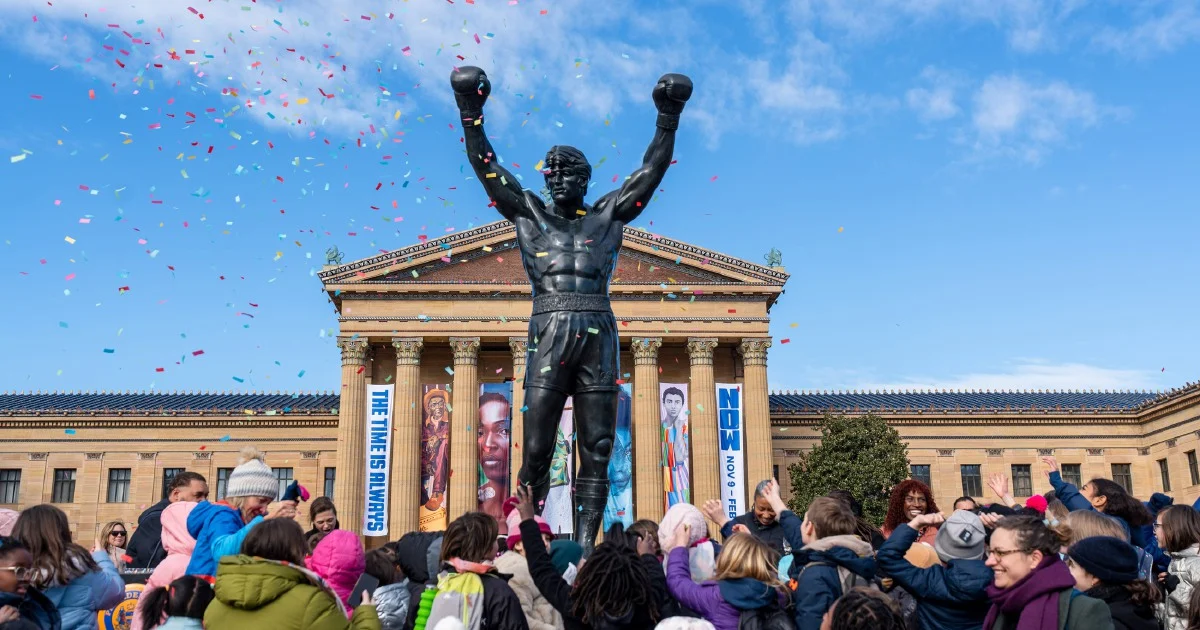
Football authorities and local officials in Philadelphia issued a pointed caution to France's travelling supporters on Saturday, urging them to resist the temptation of decorating or otherwise tampering with the city's most celebrated bronze monument—the Rocky Balboa statue—lest they invite the curse that has allegedly plagued previous World Cup contenders foolish enough to attempt such gestures.
The statue, which stands as an enduring symbol of Philadelphia's sporting heritage and broader cultural identity, has become an unexpected flashpoint in the superstitious world of international football. Over the years, a peculiar pattern has emerged: teams whose supporters have draped the bronze Rocky figure in their national flags or team colours have subsequently encountered unexpected defeats and sporting disappointments. This quirky phenomenon has grown into something approaching genuine folklore within World Cup circles, gaining traction among fans, commentators, and even some football communities who take such matters with surprising seriousness.
The warning reflected genuine concern among Philadelphia's custodians of the statue and local authorities who have watched successive waves of World Cup supporters descend upon the monument with celebratory intent. What might seem like innocent fan exuberance—adorning a beloved icon with colours to show national pride—has become fraught with anxiety, as the accumulated narrative of supposed curses has taken root in the collective consciousness of international football's travelling masses.
The Rocky statue, originally created by sculptor A. Thomas Schomberg and installed at the Philadelphia Museum of Art in 1982, has become far more than a tribute to Sylvester Stallone's fictional boxer character. It represents Philadelphia's underdog spirit and has evolved into one of America's most recognisable public artworks. The monument draws millions of visitors annually, many ascending the legendary 72 steps immortalised in the Rocky films. For World Cup supporters, the statue represents a tangible piece of American popular culture, making it an irresistible attraction for teams visiting for the tournament.
The purported curse centres on what has been termed the "Rocky Effect," where teams whose fans have visibly marked or clothed the statue with their national colours subsequently experienced improbable losses or eliminations from the tournament. While sceptics rightly point out that correlation does not establish causation and that most teams lose matches through conventional sporting factors rather than supernatural intervention, the narrative has proven remarkably durable among football's fan communities. The story has achieved sufficient cultural penetration that it now functions as a genuine cautionary tale, passed down among supporter groups and circulated through social media networks.
For France's World Cup delegation, the warning carried particular weight given the nation's historical tendency toward superstition in football matters. French supporters have long maintained various rituals and taboos they believe influence their team's fortunes. The country's passionate fan culture treats such warnings not as quaint folklore but as legitimate strategic considerations. French officials apparently judged that acknowledging and publicly warning against the Rocky statue curse served a dual purpose: it showed respect for Philadelphia's local sensibilities whilst simultaneously offering cover against future recriminations should their campaign falter.
The statue has attracted attention from multiple World Cup tournaments and their associated supporter contingents. Each successive tournament brings fresh waves of international visitors unfamiliar with the local lore, creating recurring opportunities for new groups to potentially invite the supposed curse through unwitting decoration of the monument. Philadelphia authorities have thus found themselves in the position of custodians not merely of a sculpture but of a guardian narrative, tasked with protecting their iconic bronze against well-meaning but potentially ill-fated ornamental gestures.
From a broader Southeast Asian perspective, this phenomenon illustrates the fascinating way that sporting superstition transcends national boundaries and becomes woven into the fabric of international football culture. Malaysian and other regional fans, accustomed to their own rich traditions of footballing belief and ritual, would find resonance in this narrative. The Rocky statue curse represents how physical objects can accumulate symbolic power within global sporting communities, becoming repositories for hope, fear, and superstitious anxiety regardless of their original cultural context.
The warning itself represents something distinctly modern: the collision between local heritage management and international sporting culture. Philadelphia's authorities faced the challenge of protecting a beloved monument whilst accommodating millions of visiting supporters who bring their own interpretive frameworks and celebratory impulses. The Rocky curse story provided an elegant solution, allowing officials to discourage potentially damaging behaviour by invoking a cautionary narrative that respects both local pride and football culture.
For France's World Cup campaign, the public acknowledgment of the warning may itself carry psychological implications, establishing a pre-emptive narrative whereby any subsequent disappointment could be attributed to this outside force rather than squad quality or tactical shortcomings. This reflects how modern football increasingly relies on psychological frameworks and collective belief systems to interpret outcomes, particularly when teams encounter unexpected setbacks.

