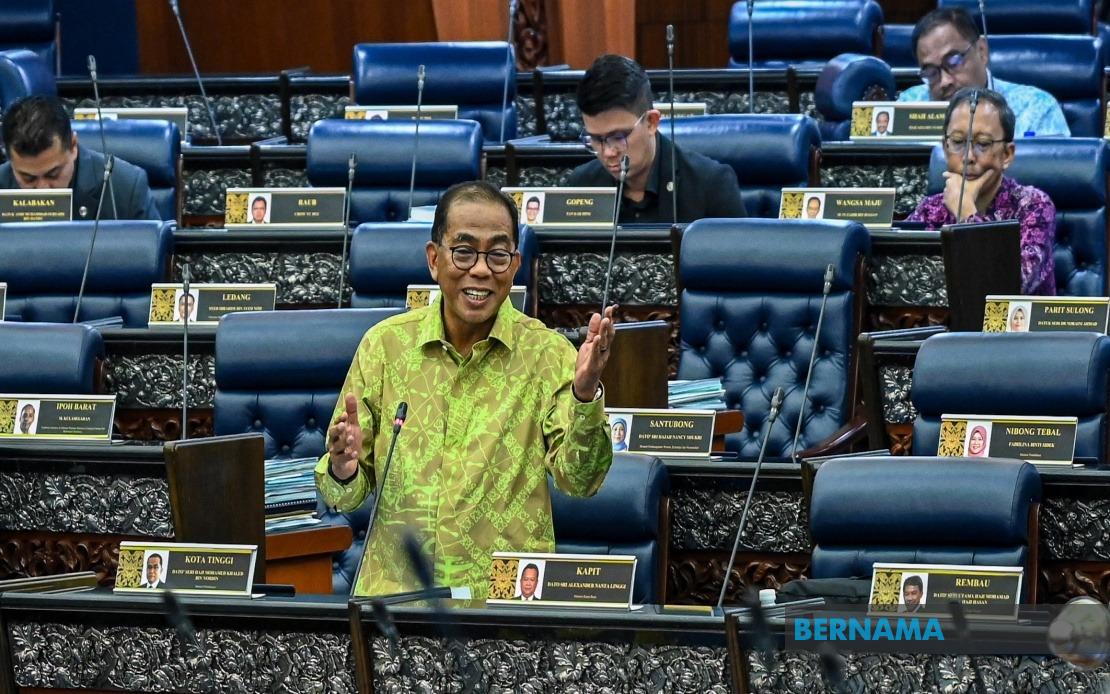
A full investigative report into the fatal grenade explosion that occurred at Hobart Camp Firing Range in Gurun, Kedah is expected to reach the Defence Ministry by July 23, Defence Minister Datuk Seri Mohamed Khaled Nordin announced in parliament on July 16. The tragic incident, which took place on June 16 during a Combat Enhancement Training exercise, claimed the lives of Lance Corporal Siti Khadijah Sungip and Sergeant Norazmi Abu Bakar, who were killed when a grenade detonated inside a bunker at approximately 10.57 am. Both soldiers sustained severe injuries during the blast and were declared dead whilst being transported to Sultan Abdul Halim Hospital in Sungai Petani.
Mohamed Khaled explained that the delay in finalising the report, which was initially submitted to the Defence Ministry on July 13, reflects the rigorous nature of the board of inquiry process established to examine the incident comprehensively. The board convened the day after the explosion and has been working methodically through witness testimonies, technical evidence, and procedural documentation to determine the precise cause. The Defence Minister stressed that thoroughness takes precedence over speed when lives are at stake, emphasising that all technical dimensions, established procedures, and eyewitness accounts must be exhaustively reviewed before conclusions can be responsibly drawn about what transpired.
The investigation's journey through multiple institutional layers demonstrates the complexity involved in understanding how the tragedy unfolded. Once the Army Western Field Command Headquarters received the board's initial findings and forwarded them to the Defence Ministry, officials undertook a careful review. This assessment identified gaps that necessitated recalling certain witnesses for additional questioning and potentially gathering statements from persons not previously interviewed. Such supplementary testimonies are viewed as essential to reinforce the investigation's conclusions and ensure that no significant detail has been overlooked.
Army Chief General Tan Sri Azhan Md Othman responded immediately to the explosion by ordering a complete, albeit temporary, suspension of all grenade-throwing exercises across the armed forces. This precautionary measure was accompanied by a comprehensive special inspection programme targeting every remaining grenade held by the 1st Squadron of the Royal Engineer Regiment. These immediate actions underscored official concern about safety protocols and the condition of ordnance currently in military possession, sending a clear signal that the tragedy would prompt a full reassessment of how explosive training is conducted.
Beyond the temporary suspension, the Defence Ministry has initiated several structural safety enhancements designed to prevent similar incidents in future. The installation of closed-circuit television cameras at firing ranges will provide visual documentation of training exercises, creating an objective record that can be reviewed if accidents occur. Body-worn cameras worn by instructors and trainees will further supplement this surveillance, capturing perspectives from individuals directly involved in the exercises. These technological measures reflect modern safety standards increasingly adopted by militaries worldwide and represent a significant upgrade to the Malaysian Armed Forces' training infrastructure.
Critically, the ministry has introduced a casting policy that establishes defined service life limits for ammunition and explosives. This procedural innovation addresses a potential vulnerability in weapons management by ensuring that ordnance is retired or destroyed once it reaches the end of its designated operational lifespan. Degradation of explosive materials over time can lead to unpredictable detonation characteristics, making the implementation of such policies essential for maintaining safe training environments. The adoption of this measure suggests that officials may be investigating whether the grenade involved in the Gurun incident had exceeded its intended service parameters.
The responses from Defence Ministry leadership indicate recognition that institutional failures may have contributed to the tragedy. While the board of inquiry's technical findings remain pending, the safety measures announced represent an acknowledgment that existing protocols and infrastructure require modernisation. The grenade explosion represents a rare but devastating reminder of the inherent dangers associated with military training, particularly when involving live explosives. In Malaysia's context, where conscription and volunteer military service draw personnel from across the nation, public confidence in the safety of training programmes carries significant implications for recruitment and morale.
For Malaysian readers and regional observers, the thoroughness of this investigation carries broader significance about accountability within the military establishment. The transparency shown by Mohamed Khaled in parliament, providing specific dates, names of the deceased, and detailed procedural steps, contrasts with instances in other nations where military accidents have been handled with greater opacity. This openness suggests institutional commitment to explaining what happened to grieving families and the public, though the full findings remain pending.
The Hobart Camp incident also raises questions about training methodologies and whether adequate safeguards exist across Southeast Asian armed forces. Military training accidents are not unique to Malaysia, and neighbouring countries monitor each other's responses to such tragedies. The comprehensive nature of Malaysia's investigation and subsequent safety improvements may establish standards that influence regional military practices. Additionally, the implementation of technology-based oversight mechanisms like CCTV and body-worn cameras addresses accountability concerns that extend beyond accident prevention to encompass broader military conduct standards.
For families of the deceased soldiers and for military personnel currently undergoing training, the completion of the investigation represents an important step toward understanding and potentially preventing future loss of life. The identification of technical or procedural causes will inform whether the tragedy resulted from equipment failure, inadequate training, insufficient supervision, or systemic vulnerabilities. Each possibility carries different implications for how the armed forces must adjust operations going forward. The report's findings will likely influence not only grenade-handling procedures but potentially broader aspects of combat training across all service branches.
The Defence Ministry's commitment to delivering a comprehensive report by July 23 reflects pressure from multiple quarters to provide answers. Parliament, the families of the deceased, and military personnel all have legitimate interests in understanding what went wrong. The additional weeks invested in gathering supplementary witness testimony, rather than rushing to conclusions, demonstrates a deliberate approach that prioritises accuracy over expediency. Once released, the full report will likely become a reference document for military safety protocols not only in Malaysia but potentially across the region, offering lessons about the costs of inadequate training safeguards and the importance of rigorous investigative processes.

