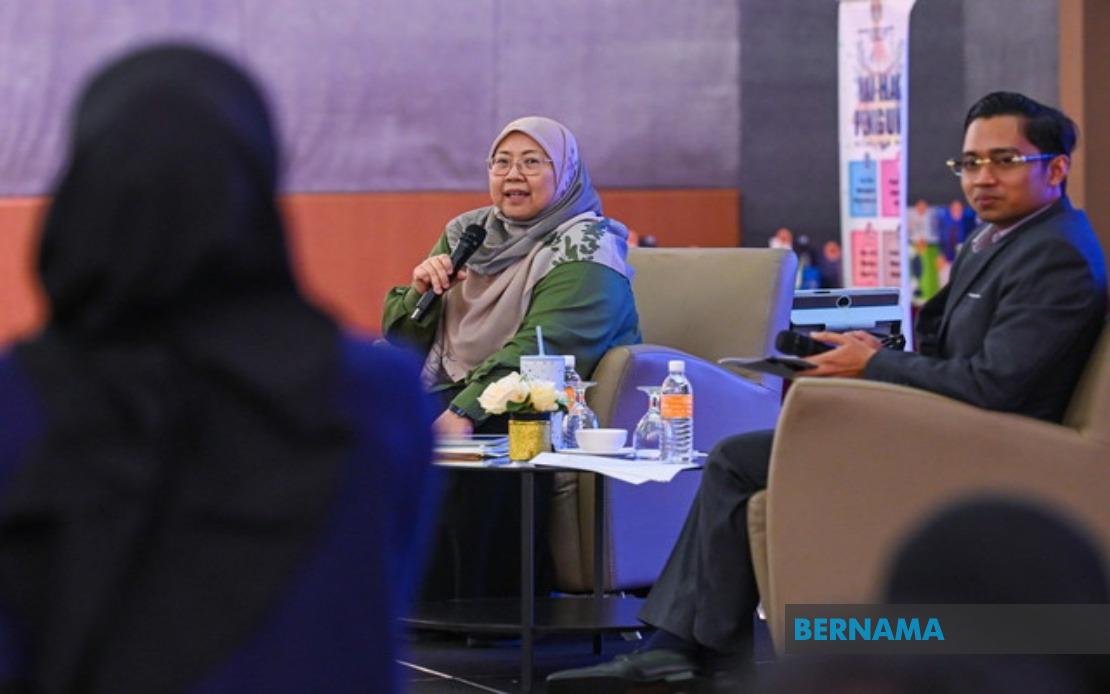
The Pakatan Harapan coalition appears confident in its electoral prospects in Negeri Sembilan, with PKR secretary-general Datuk Dr Fuziah Salleh declaring satisfaction with how the campaign machinery has mobilised voters across the state. Speaking in Seremban on July 24, Fuziah highlighted what she described as positive public reception to the coalition's candidates and campaign activities, signalling momentum heading into the 16th Negeri Sembilan state election scheduled for August 1.
The coordination between PH's constituent parties and individual candidates has been effective so far, according to Fuziah, who noted that responses from the electorate have been encouraging across diverse demographic groups. This suggests the coalition has managed to maintain party discipline and present a unified front despite the potential for internal tensions that often emerge during state-level campaigns in Malaysia.
Fuziah's strategy for winning voter confidence differs between urban and rural constituencies. In rural areas, the PH campaign has focused on bread-and-butter issues affecting agricultural communities and smallholder livelihoods, while urban voters are being engaged on local governance matters and municipal services. This segmented approach reflects an understanding that Malaysian voters across different socioeconomic zones prioritise different policy areas, and that a one-size-fits-all campaign message typically underperforms.
The coalition's confidence appears substantially anchored in the track record of incumbent Menteri Besar Datuk Seri Aminuddin Harun, who has led Negeri Sembilan for eight years and is contesting the Linggi state seat as PH's candidate. Fuziah emphasised that voters have benefited materially from PH governance during this period, implying that tangible developmental outcomes and service delivery improvements form the foundation of the coalition's election pitch. This emphasis on incumbency and performance represents a deliberate pivot away from opposition-focused messaging toward affirming what PH has delivered in office.
The timing of Fuziah's remarks is significant, coming just days before early voting begins. Early voting for the Negeri Sembilan election is scheduled for July 28, with general polling following on August 1. This compressed timeline means the coalition is making its final push to consolidate support during a critical phase when voter attention typically peaks and persuadable voters remain receptive to campaign messaging.
Fuziah's engagement with university students in Seremban during a town hall session underscores PH's targeting of younger voters, a demographic bloc that can swing state elections. University-age voters tend to be more volatile electorally and more responsive to issues such as employment prospects, education costs, and civic governance. Securing substantial youth support could prove decisive in a closely contested race, particularly in state seats with large student populations or alumni concentrations.
The broader context of this Negeri Sembilan election matters for Malaysian politics beyond the state itself. Negeri Sembilan has traditionally been a Barisan Nasional stronghold, and PH's ability to retain control would validate the coalition's continued relevance as a governing force. Conversely, losses would signal waning voter confidence and potentially embolden opposition parties ahead of the next federal general election due by September 2025. The state's performance thus carries implications for national political trajectory.
Fuziah's confident framing of campaign progress should be treated with appropriate caution, however. Campaign managers consistently project optimism about their prospects during the final days of voting, partly to maintain morale among volunteers and partly to shape media narratives. The actual verdict will come through ballot box outcomes, which may diverge significantly from campaign perceptions or public statements. Nevertheless, her comments do reflect genuine organisational confidence within the PH machinery regarding their competitive position.
The PH campaign strategy in Negeri Sembilan illustrates how modern Malaysian political campaigns operate: through granular issue targeting across different voter segments, reliance on incumbent performance narratives, and focus on younger demographics alongside traditional community engagement. Whether this multi-pronged approach successfully translates into votes will become clear once the August 1 polling concludes. The results will provide crucial signals about voter sentiment heading into the period before the next federal election.

