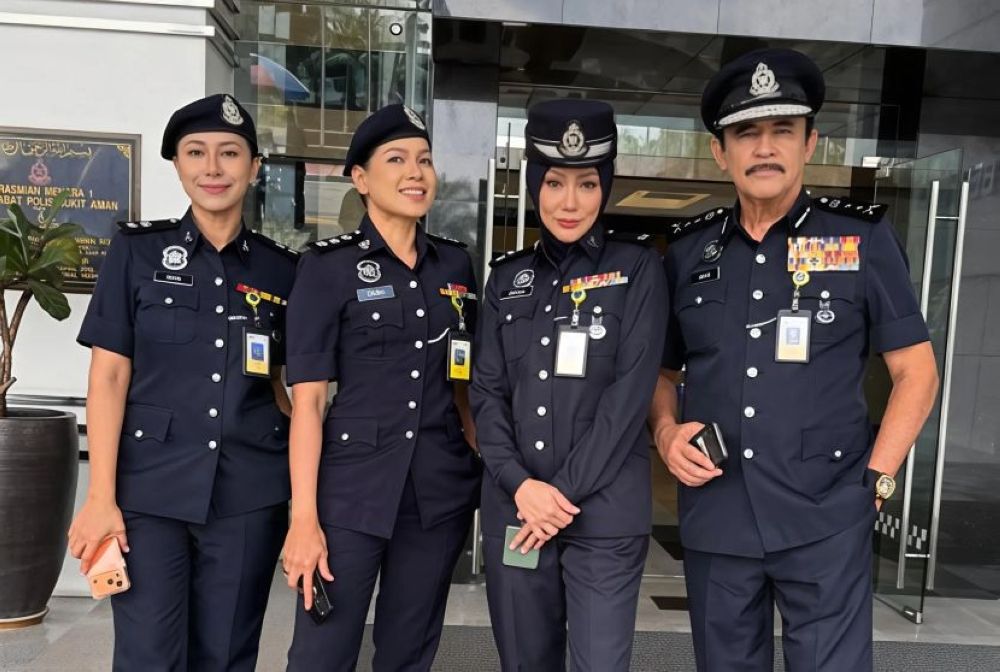
The producers of Gerak Khas 2.0 have taken decisive action to protect the integrity of the drama series following the arrest of one of its cast members. Just days after the show's premiere, Skop Production announced the removal of an actress from the 26-episode police drama after she tested positive for drugs during a police raid. The swift move underscores the Malaysian production industry's heightened sensitivity to cast conduct, particularly for projects involving public institutions like the Royal Malaysia Police.
Producer Datuk Yusof Haslam disclosed that the production had already reached 90 percent completion when the incident occurred, leaving only approximately two weeks of remaining work on set. Despite the advanced stage of filming, the production team made the decision to excise all scenes featuring the actress from the final episodes. Haslam explained that her character was scheduled to appear in Episodes 23 and 24, but the production team cancelled all remaining footage involving her role to maintain the drama's credibility and professional standards.
The actress was arrested during a raid conducted by Dang Wangi district police headquarters on July 7, where she subsequently tested positive for three types of drugs. The incident prompted an immediate reassessment of casting decisions and production protocols. Haslam acknowledged that while the production team could not have foreseen this situation, they were now implementing stricter measures to safeguard the series' reputation. He emphasised that had the production been aware of any such concerns from the beginning, the actress would never have been cast in the role.
In statements to the media, Haslam revealed that he had previously issued two separate warnings to the actress about maintaining professional conduct and avoiding activities that could compromise either her personal reputation or that of the drama. These cautionary measures reflected the producer's proactive stance on discipline and professionalism on set. However, despite these explicit directives, the incident still occurred, leading Haslam to draw parallels between professional oversight and parental responsibility.
The producer rejected any subsequent appeals or explanations from the actress, making clear that the decision was final and irreversible. When pressed on whether he had considered other alternatives, Haslam stated unequivocally that there was no room for negotiation or compromise. His response—"it's too late"—reflected a hardline position that prioritised the drama's institutional credibility and the reputation of the Royal Malaysia Police over considerations of redemption or second chances for the cast member involved.
Haslam used the situation as a teaching moment not only for the actress in question but for the entire cast and crew working on the production. He underscored the importance of discipline and ethical conduct, particularly given the drama's focus on law enforcement. Throughout the production process, Haslam explained, he had consistently emphasised the need to maintain integrity and avoid activities or associations that could damage the image of either the drama or the police force. These reminders formed part of a broader professional culture he attempted to cultivate on set.
The producer acknowledged, however, the inherent limitations of exercising control over cast members' private lives. Drawing an analogy to parental responsibilities, Haslam noted that even with the most stringent guidelines and repeated warnings, individuals may still make poor decisions outside the workplace. He pointed out that despite his best efforts to maintain standards, he could not monitor or prevent every cast member's actions during their personal time.
Haslam's approach reflects broader industry concerns in Malaysia about the intersection of public reputation, institutional image, and entertainment production. For a drama centred on the police force, casting decisions and cast conduct carry heightened significance. Any association between law enforcement narratives and drug-related criminal activity risks undermining the legitimacy and credibility of the storyline itself. This consideration appeared to drive the production's swift and uncompromising response.
The removal of the actress occurred at a relatively manageable point in the production timeline. With 90 percent of filming already complete, post-production teams would face manageable challenges in editing out the offending scenes. The decision meant that episodes featuring the actress would require reworking, but the impact remained limited compared to the disruption that would have occurred had the incident emerged earlier in the production cycle.
Gerak Khas 2.0 stars an ensemble cast including Hans Isaac, Erra Fazira, C. Kumaresan, and Salina Saibi, alongside other actresses playing police inspectors: Tisha Shamsir, Nabiha Aimi, and Emily Elizabeth. The drama represents a continuation of the long-running Gerak Khas franchise, which has maintained a strong audience presence in Malaysia for decades. The reboot carries expectations of maintaining the original series' standards for professionalism and credibility.
This incident raises broader questions about accountability in the Malaysian entertainment industry. While producers have legitimate interests in protecting their productions' reputations, the situation also highlights challenges around second chances and rehabilitation. Haslam's firm stance reflects a zero-tolerance approach increasingly common in Malaysian media, where institutional image often supersedes individual circumstances. For emerging and established actors alike, the precedent suggests that professional consequences for private misconduct can be severe and irreversible, regardless of prior contributions to a project.

