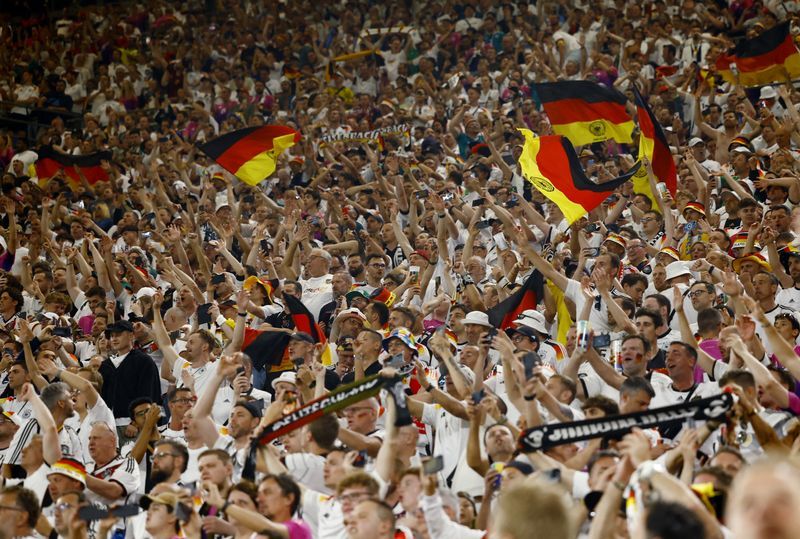
German law enforcement launched a sweeping investigation into alleged ticket misuse surrounding the 2024 European Football Championship, with coordinated raids across the country on Wednesday that extended to the headquarters of the Deutscher Fussball-Bund (DFB), according to reporting by the Bild newspaper. The operation marks a significant development in scrutinising the administrative practices surrounding one of Europe's premier sporting events, which took place across ten German cities earlier this year.
Authorities in Bochum and the North Rhine-Westphalia state criminal office confirmed they were executing searches at multiple locations throughout Germany as part of their investigation into unauthorized advantages connected to international football matches. While official statements from prosecutors avoided specifically naming the DFB, reporting indicates the association's facilities were among those targeted, suggesting the inquiry reaches into the upper echelons of German football administration.
The investigation centres on what prosecutors describe as the systematic misallocation of match tickets and hotel accommodations during Euro 2024. According to Bild's account, several thousand tickets may have been distributed outside proper channels to individuals with special access or connections, raising questions about governance and transparency in how premium seating and hospitality packages were managed during the tournament. This type of arrangement would breach standard protocols for major sporting events, where allocation procedures are typically overseen by UEFA and host nations with strict compliance measures.
Among those under investigation are at least a German national and a French national, with prosecutors looking into how these individuals obtained or facilitated access to tournament benefits. A German municipal employee based in Gelsenkirchen, one of the tournament's ten host cities, is alleged to have received tickets, travel arrangements, and hotel accommodations valued at approximately €2,400, according to Bild's reporting. The specific focus on Gelsenkirchen suggests the investigation may extend into how local officials potentially leveraged their positions for personal advantage.
The scope of suspected violations encompasses both tangible benefits and the intangible advantages that come with proximity to elite sporting events. Beyond the monetary value of tickets and accommodation, the investigation specifically references "unauthorized advantages, including a visit to an international football match," indicating that prosecutors are examining how preferred access was granted to matches, potentially circumventing legitimate distribution channels. This distinction matters significantly in the context of major tournaments, where ticket allocation is supposed to follow transparent procedures to ensure fairness to supporters and compliance with UEFA regulations.
For Malaysian and Southeast Asian observers following European football administration, this investigation underscores broader governance challenges that can affect international sporting events. The questions being raised about ticket distribution and hospitality access at Euro 2024 reflect concerns that have periodically surfaced at other major tournaments, including accusations of VIP treatment and preferential access that disadvantage ordinary fans. Such practices, if substantiated, can undermine public confidence in how sporting bodies manage their responsibilities.
The DFB's involvement in the inquiry carries additional weight given the association's standing as one of Europe's most prominent football institutions. As the governing body for German football, the DFB is expected to maintain the highest standards of administrative integrity, making any allegations of impropriety particularly noteworthy. The association's initial unavailability for comment, as reported at the time of the raids, suggested either surprise at the enforcement action or careful consideration of legal implications before responding publicly.
UEFA's silence on the matter, despite being the continental body responsible for overseeing Euro 2024, indicates either that the body was awaiting further details from German authorities or taking a measured approach to public statements while investigations were ongoing. The absence of immediate comment from either the DFB or UEFA left questions about whether either organization had flagged concerns before the raids or whether authorities discovered irregularities independently.
The investigation reflects growing scrutiny of how major sporting organisations handle their administrative and commercial responsibilities. In recent years, football governing bodies at all levels have faced increasing pressure to demonstrate transparent practices, particularly regarding ticket allocation, sponsorship deals, and hospitality arrangements. The Euro 2024 investigation suggests that German authorities are willing to pursue potential violations vigorously, even when they may involve official bodies or government employees.
For the broader European football community and those managing major events, this probe carries lessons about the importance of robust internal controls and oversight mechanisms. The alleged unauthorised distribution of thousands of tickets and hotel benefits represents exactly the kind of governance failure that regulatory bodies seek to prevent through compliance frameworks. Whether investigations conclude that systemic weaknesses existed or that individuals acted improperly, the outcome is likely to influence how future major tournaments structure their ticketing and hospitality operations.
The investigation also raises questions about accountability mechanisms within football administration. If prosecutions proceed and result in convictions, it would establish important precedent for holding both officials and organisations responsible for breaches of tournament regulations. For Southeast Asian football administrators and supporters accustomed to hosting or attending major regional tournaments, the German investigation serves as a reminder of the importance of transparent processes and the consequences of cutting corners in event management, regardless of an organisation's prominence or reputation.

