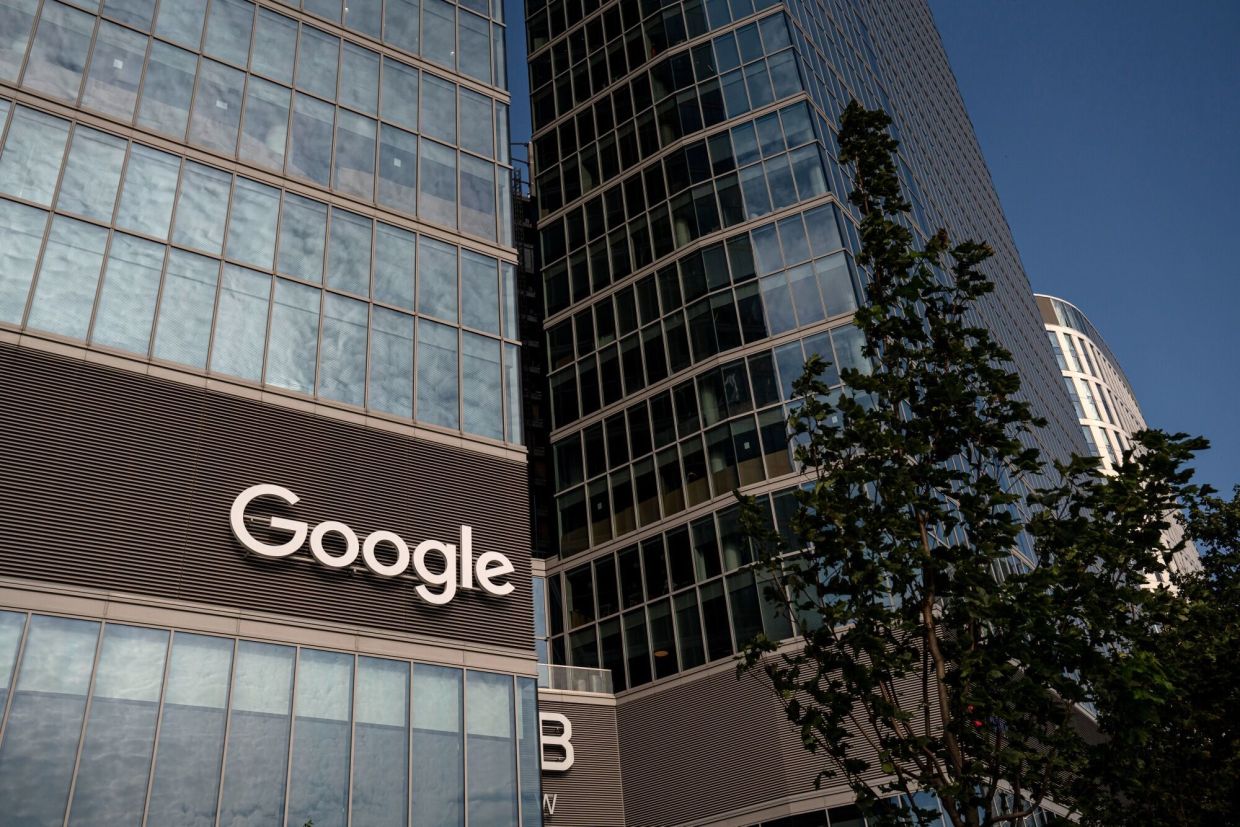
Google's own artificial intelligence researchers have delivered a damning verdict on their employer's hiring technology: don't trust it. The revelation came when DeepMind's AGI Safety and Alignment Team, tasked with managing risks posed by advanced AI systems, quietly instructed job candidates to circumvent the company's internal recruitment filters by submitting a special form directly to hiring managers. The move exposes a troubling contradiction at the heart of Google's business strategy, as the technology giant simultaneously pitches these same screening systems to corporate clients worldwide as efficient, reliable tools for identifying top talent from vast application pools.
The internal document, marked with explicit warnings against wide distribution, made the problem explicit: applicants faced a "non-trivial probability" that their CVs would either be incorrectly filtered out or languish unreviewed within Google's automated systems. By filling out an alternative form, candidates could ensure a human recruiter would personally review their application rather than leaving their chances to algorithmic chance. This admission is particularly significant because it emanates not from a peripheral Google division but from one of the company's most prestigious research units, where scientists work on some of the world's most consequential AI safety questions.
Google's official response attempted to minimize the disclosure. A company spokesperson denied that the screening systems actually misfire, characterizing the special form instead as simply offering a faster route to team members' desks while insisting that no shortcuts exist in the actual hiring decision. Yet this explanation strains credibility given that the DeepMind team felt compelled to create the workaround in the first place. The tension between the company's public marketing claims and its internal practices reveals how AI recruitment tools may function quite differently from how they are portrayed to potential corporate customers.
The contradiction reflects a broader industry pattern. Google's Workspace division, responsible for business-focused products including Google Drive, actively promotes AI-assisted recruitment capabilities to other companies. The marketing materials promise HR departments can "save time by quickly creating drafts for job postings, evaluating resumes, and forecasting hiring needs." This positioning assumes the underlying technology works reliably enough to delegate significant decision-making authority to automated systems. Yet Google's own researchers apparently harbour sufficient doubts about these mechanisms that they felt obliged to provide applicants an escape hatch.
The hiring technology sector has faced mounting scrutiny over potential discrimination and bias embedded within these systems. A Bloomberg investigation determined that OpenAI's ChatGPT exhibited signs of potential bias correlating with applicants' names, suggesting that AI systems can perpetuate or amplify human prejudices encoded in their training data. Similarly, Workday Inc, a major vendor of workplace management software that includes AI hiring capabilities, faces ongoing litigation alleging that its systems systematically screen out candidates based on race, age, and disability status, potentially violating civil rights law. Workday has contested these allegations, maintaining that humans ultimately make hiring decisions, though the company declined to comment further on the specifics.
These controversies underscore why transparency about AI system limitations matters profoundly. When corporations deploy such tools without clear understanding of their failure modes, they risk compounding historical inequities in hiring. The DeepMind team's action suggests awareness that algorithmic screening can exclude qualified candidates through no fault of their own. For job seekers in Malaysia and across Southeast Asia increasingly competing in global labour markets, this matters considerably. Many regional professionals applying to international technology companies may be unknowingly disadvantaged by opaque filtering systems they cannot see or contest.
Interestingly, the DeepMind team also acknowledged another emerging dynamic: candidates gaming the system using AI to generate applications at scale. The special form included a warning that human reviewers grow "really tired of reading LLM answers, because they all sound very samey." This caution reveals how AI adoption in recruitment creates a kind of arms race. As companies deploy AI filters, job seekers increasingly turn to language models to polish applications, generating repetitive, formulaic submissions that lack authentic differentiation. The result ironically undermines the original efficiency goals that motivated deploying AI systems in the first place.
The episode highlights profound questions about how transformative technologies diffuse through society. When sophisticated companies like Google commercialize tools they themselves regard with scepticism, market information asymmetries emerge. Smaller firms purchasing Google's recruitment AI lack the internal expertise to audit these systems or develop workarounds. They must either trust the vendor's assurances or conduct their own validation studies—a burden that favours larger, better-resourced organizations. This dynamic could inadvertently entrench competitive advantages while simultaneously degrading hiring quality for companies relying heavily on opaque algorithmic screening.
For Malaysian businesses considering AI hiring tools as they compete for talent within increasingly globalized recruitment environments, the Google case offers cautionary lessons. The efficiency gains promised by vendors deserve scrutiny, particularly regarding how these systems handle diverse applicant pools. Southeast Asian candidates with names, educational backgrounds, and career trajectories differing from Silicon Valley norms may face disproportionate filtering, even if systems perform adequately on average across broader populations. Without transparency into how these tools operate and periodic audits of their real-world performance, companies risk building discriminatory hiring processes that appear objective by virtue of their technological veneer.
Google's situation also underscores broader governance challenges surrounding AI deployment. The company's DeepMind team specializes precisely in identifying risks that advanced AI systems pose, yet apparently lacked sufficient organizational influence to ensure their employer's commercial AI products met safety standards they would demand elsewhere. This suggests that even within technology leaders, awareness and action remain misaligned. As AI-powered hiring systems proliferate globally, establishing clearer accountability mechanisms—including mandatory disclosure of system limitations, regular bias audits, and meaningful appeal processes for rejected candidates—would serve workers and employers alike.

