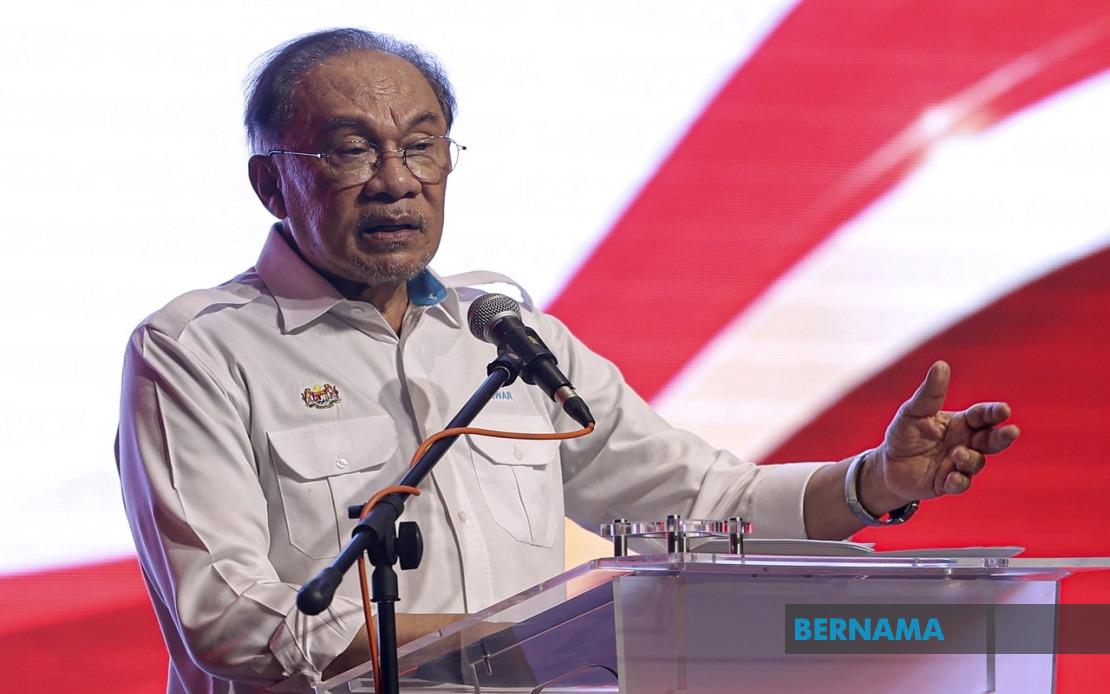
Malaysia's government is weighing plans to introduce discounted MADANI tickets for the Formula One Gulf Air Bahrain Grand Prix, which will take place at the Sepang International Circuit from October 2 to 4. Prime Minister Datuk Seri Anwar Ibrahim disclosed this initiative during an engagement with Village Development and Security Committee leaders in Port Dickson, signalling a commitment to ensure the prestigious motorsport event reaches beyond affluent spectators. The move aligns with the Malaysia MADANI governance framework, which prioritises people-centric development and inclusive access to major international occasions.
The concept of MADANI pricing reflects a deliberate policy choice to democratise attendance at elite sporting spectacles. Rather than reserving the Grand Prix exclusively for wealthy ticket buyers, the government recognises that Formula One's cultural and economic impact can be substantially enhanced when participation spans broader socioeconomic layers of society. Anwar's candid remarks about seating arrangements—acknowledging that discounted ticket holders would occupy less premium vantage points rather than front-row positions—demonstrate a pragmatic understanding of event economics whilst maintaining fairness. This transparent approach sets expectations clearly, avoiding the perception that affordability automatically guarantees optimal viewing experiences.
The financial and diplomatic significance of hosting Formula One cannot be overstated for Malaysia's regional standing. The Gulf Air Bahrain Grand Prix's relocation to Sepang marks a triumphant return for the nation after a nine-year hiatus. The Sepang circuit previously hosted the Malaysian Grand Prix from 1999 until 2017, when escalating hosting costs and licensing fees rendered the event commercially unsustainable. That the race is returning at all represents a negotiated victory—Anwar emphasised that despite competing interest from numerous countries worldwide, Malaysia secured the hosting rights through recognition of its political stability, economic resilience, and robust international relationships. This diplomatic recognition validates Malaysia's positioning within global commerce and geopolitical frameworks.
Economic multiplier effects are anticipated to ripple across multiple sectors when Formula One arrives. The influx of international teams, media personnel, and spectators numbering in the tens of thousands will generate substantial demand across hospitality, aviation, and tourism. Hotels throughout the Klang Valley region will experience elevated occupancy rates, whilst carriers including Malaysia Airlines and AirAsia will benefit from heightened booking volumes. Local businesses—from restaurants to retail establishments—stand to capture spending by visitors unfamiliar with Malaysian markets. Anwar articulated this cascading benefit structure as a fundamental rationale for government investment and effort in securing the event, framing the Grand Prix not merely as sporting spectacle but as economic stimulus mechanism.
The return of Formula One to Malaysian soil carries symbolic weight extending beyond immediate financial calculations. It reasserts Malaysia's capability to manage and execute mega-events of global standing, reinforcing the nation's credentials as a serious regional hub for international commerce, tourism, and culture. This capacity signals to multinational corporations, investors, and event organisers that Malaysia possesses the institutional competence and infrastructure necessary to deliver world-class experiences. The government's proactive engagement with ticket accessibility—moving beyond reactive cost-containment to strategically consider pricing architectures that serve equity objectives—demonstrates sophisticated event management philosophy.
The MADANI ticket initiative also addresses historical tensions surrounding major sporting events in developing economies. Previous Formula One circuits have sometimes faced criticism for gatekeeping—creating situations where home populations remain effectively barred from witnessing marquee competitions occurring within their own territories. By consciously designing affordable entry points, the Malaysian government seeks to avoid this alienation whilst managing finite seating resources. The strategy acknowledges that not all attendees require premium positioning; many citizens would accept ordinary viewing conditions in exchange for direct participation in their nation's hosting of global sport.
Implementation logistics will prove critical to the initiative's success. The government remains in the active study phase, suggesting that detailed feasibility assessments regarding ticket allocation, pricing tiers, and distribution mechanisms remain pending. Questions including the proportion of total capacity designated for MADANI pricing, the actual cost point that would constitute accessibility versus luxury tiers, and mechanisms for ensuring equitable distribution among Malaysian citizens all require resolution. Additionally, coordination between the Malaysian Grand Prix promoter, Sepang International Circuit management, and international Formula One authorities will be essential to ensure any domestic pricing initiative aligns with contractual obligations and franchise requirements.
The broader context of Malaysian sporting ambitions situates the Formula One return within expanding aspirations for marquee international competitions. Southeast Asia's growing economic prominence has generated heightened interest among global sporting bodies in establishing regional footholds. Malaysia's successful recapture of Formula One broadcasting rights and hosting responsibilities demonstrates the nation's continued appeal as an event destination despite regional competition from Thailand, Vietnam, and Singapore. The MADANI ticket approach represents Malaysia's distinctive contribution to the Formula One ecosystem—combining profit motive with inclusive governance principles in ways that reflect the administration's stated policy preferences.
For Malaysian citizens, particularly those in mid-income and working-class categories, the MADANI ticket programme represents a tangible manifestation of inclusive governance rhetoric. Rather than remaining abstract policy language, the initiative translates into concrete opportunity—the possibility of witnessing elite international motorsport without expenditure beyond reach. This accessibility strengthens emotional and psychological bonds between ordinary Malaysians and their nation's international standing, fostering pride in hosting capabilities and participation in global events. The symbolic value of such inclusion sometimes exceeds the literal economic benefit, creating constituencies invested in Malaysia's continued hosting of prestigious international competitions.
Looking forward, the government's willingness to examine innovative ticket strategies for the Grand Prix may establish precedent for other major international events pursued by Malaysian authorities. If the MADANI pricing model proves administratively feasible and generates positive citizen engagement, it could become integrated into Malaysia's standard approach to hosting mega-events. This would position the nation distinctively within global event management practices, offering a model that balances commercial viability with equity objectives. For Southeast Asian nations considering comparable international events, Malaysia's approach offers instructive lessons regarding inclusive access mechanisms that do not compromise event financial viability or operational integrity.

