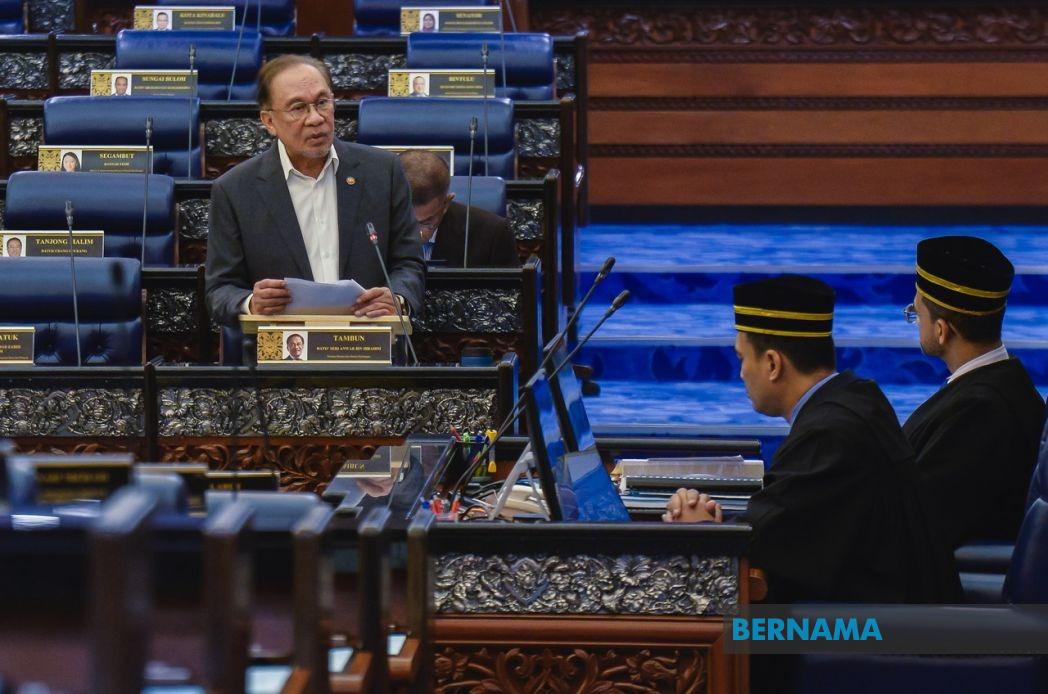
Prime Minister Datuk Seri Anwar Ibrahim moved swiftly on June 30 to dispel suggestions that his administration has imposed blanket restrictions on activities and programmes taking place within Federal Land Development Authority settlements across the country. Speaking during Minister's Question Time in the Dewan Rakyat, he emphasised that the government maintains an open-door policy towards such initiatives, whether they originate from state governments, community organisations, or other entities operating within FELDA communities.
The clarification came in response to a parliamentary query from Datuk Seri Hamzah Zainudin, the Larut representative from Perikatan Nasional, who had raised concerns about potential governmental overreach in FELDA areas. Anwar's response underscores a crucial distinction that has apparently created confusion among stakeholders: the prohibition does not target programmes themselves, but rather the improper deployment of federal government resources and FELDA machinery for electoral campaign activities. This nuance reflects Malaysia's election laws, which strictly regulate how state and federal resources may be utilised during politically sensitive periods.
Under the framework Anwar outlined, state governments retain complete autonomy to conduct their own events and initiatives within FELDA settlements without requiring federal permission or facing administrative obstacles. A state menteri besar, for instance, remains entirely at liberty to visit a FELDA community and organise programmes as part of their governance responsibilities. This extends to administrative matters such as the issuance of land titles by state authorities, which Anwar confirmed falls squarely within state jurisdiction and prerogatives, provided such activities remain compliant with existing election regulations.
The Prime Minister also directly addressed speculation surrounding the cancellation of the FELDA Settlers' Day programme that had been provisionally scheduled for Kluang in Johor on June 20 and 21. He categorically denied having issued any directive to cancel this event, thereby refuting claims that the federal administration was actively suppressing commemoration activities within settler communities. This denial carries particular significance given the historical importance of FELDA settlements in Malaysia's rural development landscape and the symbolic weight such community gatherings hold for residents.
Anwar's remarks simultaneously signalled the MADANI Government's broader commitment to substantively improving conditions for FELDA communities after years of perceived neglect. He characterised many FELDA settlements as having languished under inadequate management and insufficient development attention during preceding administrations. This acknowledgement reflects a strategic pivot towards positioning the current government as actively invested in reversing historical underinvestment in these communities, contrasting sharply with what he portrayed as the legacy of stagnation and marginalisation.
The administration has introduced several concrete initiatives designed to translate this commitment into tangible benefits for FELDA residents. Among these measures is the establishment of dialysis treatment centres directly within FELDA settlements, addressing critical healthcare gaps that have long affected settler populations with chronic kidney conditions and other medical needs. Simultaneously, federal agencies have been tasked with expanding development infrastructure and facilities across FELDA areas, a comprehensive approach that acknowledges these communities' multifaceted needs across healthcare, utilities, and basic services.
Particularly noteworthy is Anwar's explicit attribution of this reinvigorated focus to collaboration between himself and Deputy Prime Minister Datuk Seri Dr Ahmad Zahid Hamidi. This partnership framing suggests institutional commitment at the highest levels of government, potentially indicating that FELDA development will remain a sustained policy priority rather than a temporary initiative. The pairing of the Prime Minister and Deputy Prime Minister in championing FELDA welfare signals to settler communities that their concerns have reached the apex of federal decision-making.
The distinction Anwar articulated between permissible and prohibited activities in FELDA areas reflects broader principles embedded in Malaysian electoral law. Election regulations nationwide restrict all government agencies, state-owned enterprises, and their equipment from being mobilised for campaign purposes, a rule that applies equally to FELDA machinery and resources. The restriction's specificity—targeting the misuse of government machinery rather than programmes themselves—creates significant space for legitimate civic and administrative activities to proceed uninhibited within settler communities.
For FELDA residents and state governments operating in areas with substantial settler populations, Anwar's clarification provides operational clarity on the boundaries of permissible activity. State administrations can pursue development projects, organise community events, and conduct routine governance functions in FELDA settlements without fear of federal interference, provided these activities do not cross into campaign financing or the utilisation of FELDA resources as political instruments. This distinction becomes particularly relevant in states with competitive political dynamics where multiple parties seek to engage FELDA constituencies.
The parliamentary exchange also illuminates ongoing tensions between federal and state authorities regarding resource allocation and administrative oversight in FELDA areas. FELDA settlements, while populated by Malaysian citizens entitled to equal treatment, occupy a somewhat ambiguous jurisdictional space where federal authority through FELDA coexists with state governance responsibilities. Anwar's clarification attempts to establish clearer guidelines that respect both federal and state spheres while maintaining strict adherence to election law principles.
Looking forward, the Prime Minister's emphasis on improved facilities and services suggests that FELDA communities may emerge as a strategic political focus for the government, particularly as it seeks to consolidate support in rural constituencies. The combination of rhetorical acknowledgement of past neglect, concrete infrastructure commitments, and clarification on programme accessibility could represent an attempt to rebuild trust with settler communities. Whether these initiatives translate into sustained improvements and genuine transformation of conditions in FELDA settlements will significantly influence political dynamics in rural Malaysia during coming years.

