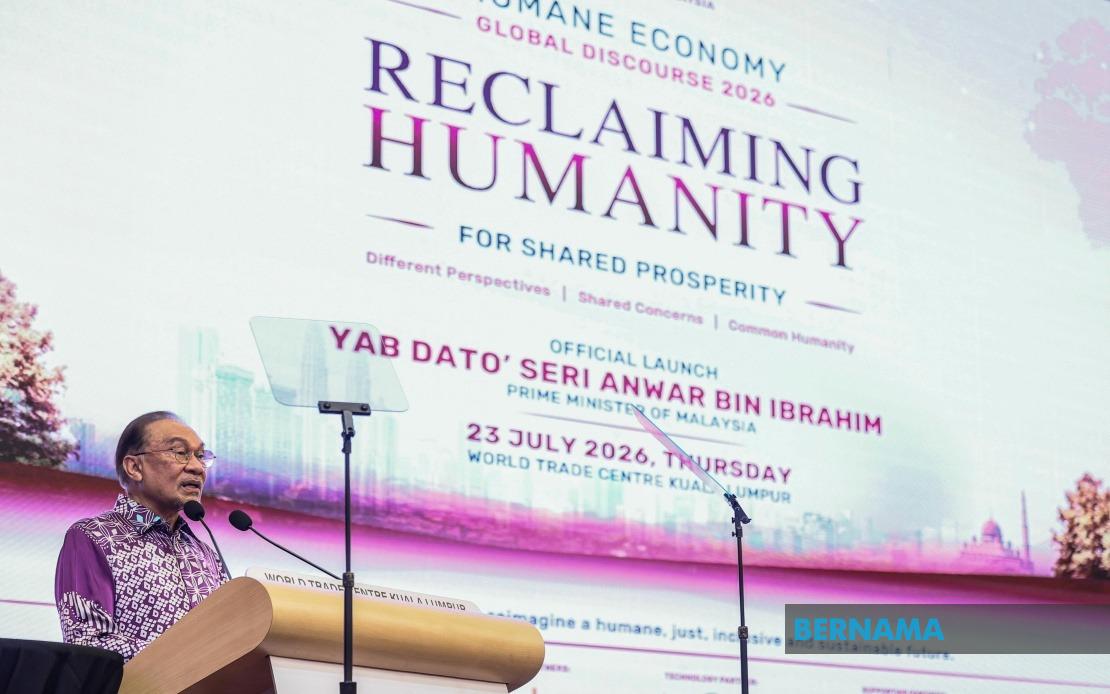
The Malaysian government is poised to make public the comprehensive findings of its Royal Commission of Inquiry into Tabung Haji in the coming days, according to Prime Minister Datuk Seri Anwar Ibrahim. Speaking at the launch of the Humane Economy Global Discourse 2026 in Kuala Lumpur on July 23, Anwar signalled that administrative hurdles are the only obstacle to an immediate disclosure, with the report potentially reaching the public as early as the same day or shortly thereafter pending Cabinet approval.
Anwar indicated he would seek guidance from Chief Secretary to the Government Tan Sri Shamsul Azri Abu Bakar regarding whether formal Cabinet endorsement is a prerequisite before the report's public release. The Prime Minister's apparent eagerness to expedite the process reflects the mounting public interest in understanding the outcomes of the inquiry and the recommendations it contains. His willingness to bypass normal procedures if legally permissible underscores the administration's commitment to transparency on this sensitive matter.
The Tabung Haji RCI was established to investigate the fund's financial difficulties and the events that precipitated its substantial losses in recent years. The sovereign wealth fund, which manages savings for Malaysians undertaking the Hajj pilgrimage, faced a severe crisis that necessitated government intervention and restructuring. The inquiry examined governance failures, investment decisions, and operational lapses that contributed to the fund's deteriorating position, matters of considerable concern to its beneficiaries and the broader Muslim community.
Anwar's comments reflect a deliberate effort by his administration to balance procedural correctness with the government's transparency agenda. He acknowledged that while Cabinet referral might be administratively warranted, the public's entitlement to the inquiry's conclusions outweighs bureaucratic conventions. This stance aligns with his broader messaging about open governance and accountability, themes that have featured prominently in his political messaging since assuming office.
The timing of the report's release carries political significance beyond mere administrative scheduling. Tabung Haji's rehabilitation has emerged as a flagship reform initiative for the government, with successive announcements charting the fund's recovery trajectory. Publishing the RCI findings would provide crucial context for stakeholders—pilgrims, potential contributors, and the broader public—to understand what went wrong and what safeguards have been implemented to prevent recurrence.
For Malaysian investors and Hajj pilgrims, the report's contents will determine confidence in the fund's management going forward. The inquiry's recommendations regarding governance structures, investment parameters, and oversight mechanisms will likely shape policy initiatives and institutional reforms. Many Malaysians view Tabung Haji as a quasi-sacred institution entrusted with personal savings accumulated specifically for religious purposes, making the inquiry's findings emotionally resonant beyond typical financial matters.
The Royal Commission of Inquiry mechanism itself represents Malaysia's approach to investigating matters of national importance, offering more thorough and independent examination than typical administrative reviews. The RCI into Tabung Haji was tasked with uncovering root causes of the fund's troubles, not merely cataloguing losses or assigning blame. Its comprehensive scope suggests the forthcoming report will address systemic issues and propose substantive remedies rather than offering superficial conclusions.
From a regional perspective, Malaysia's handling of the Tabung Haji crisis carries implications for how Southeast Asian nations manage sovereign wealth funds and religious endowment institutions. The region hosts numerous similar entities managing community savings for religious or development purposes, and how Malaysia addresses governance failures in Tabung Haji may influence policy frameworks elsewhere. The transparency with which the government releases and discusses the RCI findings will signal regional standards for accountability in fund management.
The government's emphasis on releasing the report reflects changing expectations regarding state institutions in Malaysia. Citizens increasingly demand explanations for institutional failures and visible remediation efforts. Simply stabilizing Tabung Haji financially would satisfy neither public expectations nor political legitimacy requirements; comprehensive disclosure of findings and commitments to reform are now prerequisites for public confidence restoration.
Anwar's remarks also suggest internal government consensus regarding the need for disclosure, despite potential political sensitivities the report might contain. The inquiry could implicate former administrations or individuals currently in positions of influence, yet the government's readiness to proceed indicates a calculated judgment that transparency serves the administration's broader interests better than suppression would.

