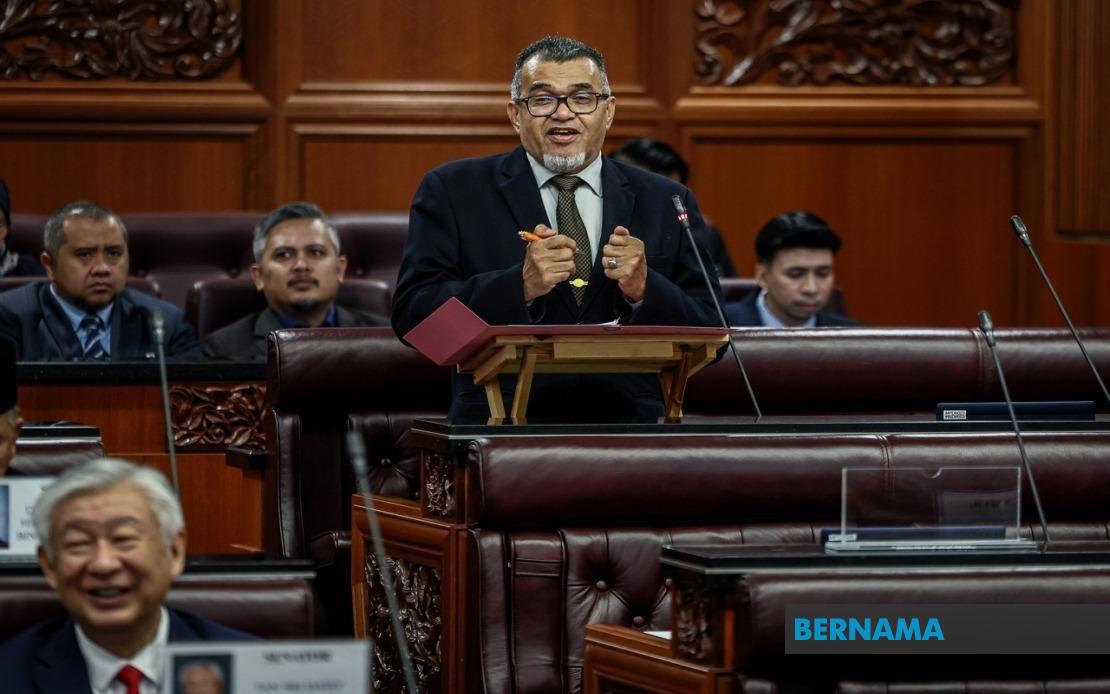
The Malaysian government is preparing significant legislative changes to combat the escalating problem of railway cable theft, with proposed fines reaching RM100,000 for each violation. Deputy Transport Minister Datuk Hasbi Habibollah disclosed during parliamentary proceedings that the amendment to the rail transport law is in its final stages of preparation, with expectations to present it for legislative approval in the coming parliamentary session later this year. The dramatic increase from the existing RM1,000 penalty reflects mounting frustration within government ranks over the inadequacy of current deterrents in curtailing criminal activity affecting the nation's railway infrastructure.
The urgency surrounding this legislative initiative stems from the mounting financial toll of cable thefts across Malaysia's three major rail networks. Cumulative losses have reached RM50 million spread across Keretapi Tanah Melayu Berhad, Prasarana Malaysia Berhad, and the under-construction East Coast Rail Link project. These figures represent not merely accounting abstractions but tangible disruptions to transport services relied upon by millions of Malaysian commuters daily, alongside substantial additional costs borne by the railway operators in repairs and system restoration. Hasbi argued that the proportional mismatch between the current penalty structure and the genuine economic damage inflicted justified an immediate recalibration of the legal framework.
The East Coast Rail Link project has emerged as a particularly vulnerable target for cable thieves, experiencing distinct challenges during its construction phase. Within this megaproject alone, authorities documented 71 separate theft incidents resulting in estimated losses of RM4.06 million. An additional RM0.69 million in damages stemmed from equipment theft and material destruction unrelated specifically to cabling. While the ECRL remains non-operational and therefore cannot yet experience service disruptions affecting passenger travel, the thefts pose serious risks to project timelines. The construction phase encompasses numerous critical components including installation procedures, comprehensive testing protocols, commissioning processes, and operational readiness preparations that depend on intact infrastructure. Delays cascading from security breaches threaten to push back the anticipated launch date of this strategically significant transportation artery connecting east coast states to the rest of the peninsula.
Congress was reminded that the existing penalty structure failed to constitute a meaningful deterrent given the scale of consequences rippling through the transport sector. Hasbi contended that substantially elevating financial consequences represents a necessary escalation matched to the gravity of the offense and its downstream impacts. The RM100,000 per-offense framework would position cable theft among the more seriously penalised forms of property crime, signalling legislative intent to prioritise infrastructure integrity as a matter of national concern. This repositioning carries implications for how Malaysian courts will treat such cases, potentially influencing sentencing patterns and the seriousness with which law enforcement agencies pursue investigations.
Beyond punitive measures, the government has embarked on a comprehensive security infrastructure upgrade to render railway assets less vulnerable to theft. Installation of 1,146 closed-circuit television cameras represents a substantial technological commitment spanning the railway corridor from Johor northward. This surveillance network, once fully operational, will create a continuous monitoring regime across vulnerable sections where cable theft has proven most prevalent. Such technological solutions offer the dual benefit of real-time incident detection and post-hoc investigative capability, enabling authorities to identify perpetrators through recorded evidence and establish patterns of organized criminal activity versus opportunistic theft.
The Keretapi Tanah Melayu Berhad has taken parallel steps to fortify on-ground security operations through acquisition of twenty scrambler motorcycles assigned to the Auxiliary Police force. These vehicles enable rapid-response patrols operating twenty-four hours daily along railway corridors, providing human presence and visible deterrence that complements technological surveillance. The motorcycles' agility permits police personnel to access railway rights-of-way rapidly, respond to incidents in real time, and pursue suspects in terrain where conventional patrol vehicles cannot effectively operate. This investment represents a recognition that preventing cable theft requires layered defensive approaches combining technology, personnel deployment, and rapid response capability.
Additional physical security measures have been integrated into the protection strategy through targeted infrastructure modifications. Railway operators have implemented protocols for securing high-risk access points, particularly complex manhole systems where cables converge and theft opportunities concentrate. These controlled-access points restrict unauthorized entry while maintaining operational functionality for legitimate maintenance requirements. Concurrently, the deployment of canine units specifically trained in explosive and material detection provides another specialized capability. These K9 teams can identify materials associated with cable theft activities and detect hidden contraband, adding unpredictability to security posture that degrades the operational viability of organized theft rings.
For Malaysian and Southeast Asian policymakers observing these developments, the cable theft phenomenon illuminates broader challenges facing rapidly developing railway networks across the region. As nations invest in modern transportation infrastructure linking economic centers and populations, they simultaneously create opportunities for organized crime networks targeting high-value materials. The East Coast Rail Link, as a flagship regional connectivity initiative, exemplifies this dynamic tension. Its vulnerability to theft underscores that technological advancement and capital investment alone prove insufficient without parallel evolution of security frameworks, law enforcement capacity, and legal penalty structures. The government's integrated response—combining legislative action, technological deployment, personnel expansion, and physical controls—offers a template for comprehensive infrastructure protection applicable across Southeast Asian transport development projects.
The timing of this legislative push reflects recognition within Malaysia's transport ministry that earlier interventions proved inadequate to arrest escalating theft trends. By targeting both perpetrators through enhanced penalties and the operational environment through technological and personnel measures, authorities are implementing what security experts term comprehensive deterrence. This multi-pronged strategy acknowledges that deterrence operates through multiple mechanisms: the certainty of detection through ubiquitous surveillance, the severity of consequences through heightened penalties, and the swiftness of response through expanded patrol capacity. Successfully implementing all three components creates formidable barriers against cable theft, potentially producing measurable improvements in rail network reliability and protecting investment in transportation infrastructure critical to Malaysia's continued economic development.

