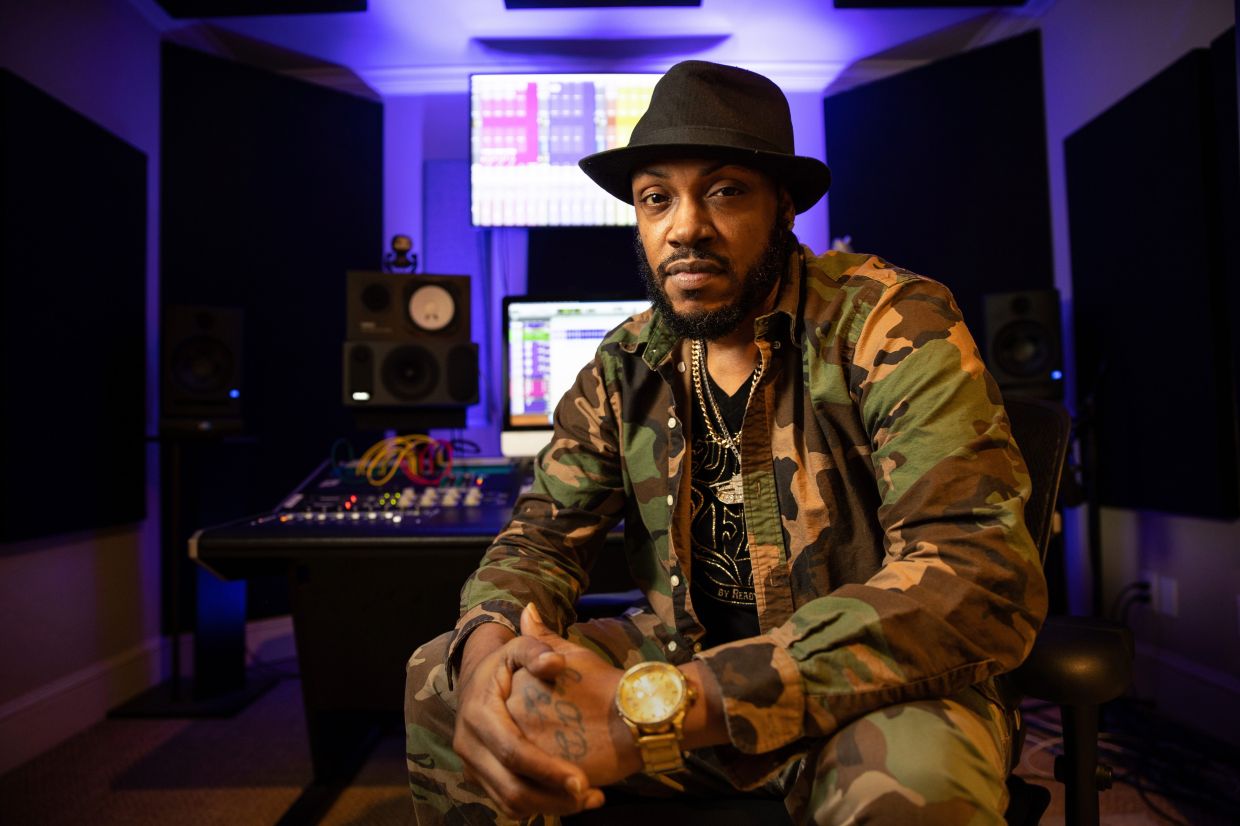
The prominent American rapper Mystikal, born Michael Lawrence Tyler, has received a 20-year prison sentence following a guilty plea to third-degree rape charges connected to an incident at his Louisiana residence in 2022. The sentencing, handed down on Tuesday, concludes a legal proceeding that saw the artist accept responsibility for serious sexual assault allegations. The guilty plea, entered in March, effectively capped his potential prison time at two decades, representing a reduction from the maximum 25-year penalty applicable to third-degree rape charges in Louisiana.
The circumstances surrounding the conviction involve allegations that the rapper assaulted a woman at his home in Prairieville, a community situated approximately 18 miles from Baton Rouge. According to testimony provided during court proceedings, the victim reported experiencing severe physical violence alongside the sexual assault, including being struck, choked, and having her hair forcibly pulled during the attack. The woman's account formed a critical component of the case, as she directly addressed the court during sentencing to advocate for the maximum possible penalty.
Tyler's legal strategy underwent a significant shift just days before the sentencing hearing when his defence team sought to withdraw the guilty plea. Court filings indicated that the artist claimed he "did not have sufficient opportunity to fully consider the consequences" of his admission, raising last-minute objections to the arrangement his legal representatives had previously negotiated. This attempt to reverse course came too late in the proceedings, however, as the judicial process continued toward the predetermined sentencing.
The victim's powerful testimony during the sentencing phase directly influenced the final outcome. She recounted the violent nature of the assault and implored the judge to impose the harshest sentence allowable. Her statement provoked a notable response from Tyler himself, who reportedly acknowledged the severity of his actions by stating that anyone committing such conduct "deserves the max sentence." This concession appeared to reinforce the gravity of the charges and the appropriateness of the substantial prison term ultimately imposed.
The current conviction represents a tragic echo of Tyler's troubled past. In 2003, the Louisiana-born performer pleaded guilty to sexual battery charges, resulting in a six-year prison sentence for that earlier offense. That conviction was particularly notable because it coincided with Grammy Award recognition, as the artist received two Grammy nominations in 2003 for categories including best rap album. The pattern of serious criminal conduct spanning two decades raises troubling questions about accountability and the music industry's treatment of artists with histories of sexual violence.
Tyler's rise to national prominence occurred during the 1990s, when he emerged as a distinctive voice in hip-hop with considerable commercial success. His artistry garnered multiple Grammy nominations throughout the early 2000s, establishing him as a mainstream fixture in popular music at that time. The entertainer's prominence during that era meant that his actions carried significant cultural implications, though his criminal convictions have substantially overshadowed his musical legacy.
Since his arrest in connection with the 2022 incident, Tyler has been detained at Ascension Parish Jail without the possibility of bail. This extended incarceration—spanning from his initial arrest through the completion of legal proceedings—reflects both the serious nature of the charges and the judicial determination that he posed sufficient risk to warrant continued detention. The decision to maintain custody throughout the legal process underscored the gravity with which authorities treated the allegations.
The sentencing comes at a time when heightened public attention focuses on sexual assault cases within the entertainment industry and broader conversations about accountability for powerful public figures. Tyler's case exemplifies the consequences that can result from criminal conduct, though it also highlights the lengthy timespan between alleged offenses and final judgment in the American legal system. The two-decade gap between his 2003 conviction and the 2022 incident demonstrates how individuals with prior sexual violence convictions can remain active and visible in public life.
Legal observers note that Tyler's guilty plea to third-degree rather than first-degree rape, while reducing his exposure to life imprisonment, still represents substantial punishment for serious criminal conduct. The negotiated agreement likely reflected both evidentiary considerations and prosecutorial judgment, though the final sentence of 20 years affirms the court's view that even the reduced charge warranted the harshest permissible penalty. For Southeast Asian entertainment industry participants and audiences, Tyler's situation serves as a cautionary reminder of how criminal accountability increasingly shapes careers and public legacies in contemporary popular culture.